Veganuary Is Not One Diet: How to Personalize Your Plant Based Month Using Food Signals
Medical disclaimer: This article is for general education only and is not medical advice. If you have a medical condition, are pregnant, have a history of eating disorders, take medication, or have persistent digestive or mental health symptoms, consult a qualified clinician. If you suspect a true food allergy or have had swelling, hives, wheezing, or anaphylaxis, seek medical care immediately.
Veganuary gut health, is a global “go vegan for January” challenge that offers meal plans, coaching emails, and recipes to help people try vegan eating for 31 days. Veganuary+1
In December 2025, Veganuary also launched its 2026 campaign messaging, signaling another big participation wave in January. Veganuary
But here is the thought leadership angle most wellness content misses:
Veganuary is not one diet. It is a thousand different bodies running the same experiment.
So instead of arguing “vegan versus not,” this article is about something more useful for 2026:
How to personalize a plant based month using your real-world signals, especially if you deal with bloating, fatigue, skin flares, or “sensitivities.”
Can a plant based month improve gut health?
Often, yes, because plant foods can increase dietary fiber and polyphenols that nourish microbes and support beneficial metabolites.
A 2023 systematic review of interventional studies examined how plant-based foods relate to gut microbiome changes across human interventions. PMC
More recent research continues to explore gut microbiome “signatures” associated with vegan, vegetarian, and omnivorous patterns. Nature
Fiber is a big piece of this story. Reviews and studies frequently focus on how dietary fiber can modulate gut microbiota and support bowel function, with downstream effects that may include increased short chain fatty acid production in some contexts. MDPI
Key point: Plant-forward patterns can be gut supportive, but the outcome depends on how you implement them and how your body responds.

Why do some people feel worse when they “eat healthier” in Veganuary?
Because “more plants” can also mean “more fermentable carbs,” “more raw volume,” and “more novelty,” all at once.
Common reasons people struggle in week 1 or 2 include:
- Rapid fiber increase leading to gas or bloating
- Big jumps in beans, lentils, onions, garlic, and certain whole grains
- Not enough protein, calories, or minerals for their baseline stress load
- Swapping alcohol and snacks for ultra-processed vegan replacements
This is not failure. It is feedback.
Food allergy vs food intolerance: why the difference matters
A true food allergy involves an immune reaction and can be severe. Food intolerance is more common and usually involves digestive difficulty or non-allergic reactions, with overlapping symptoms that confuse many people. Mayo Clinic summarizes these differences and emphasizes that confusion is common. Mayo Clinic
If you have immediate reactions, swelling, wheezing, or severe symptoms, do not self-experiment. Get medical guidance. Mayo Clinic
For everyone else, the goal is not fear. The goal is clarity.
The 2026 approach: “signal-based” plant based eating
Most January nutrition content pushes rules:
- Eat this
- Avoid that
- Do it perfectly
A better approach is a signal-based loop:
- Choose a plant based baseline
- Watch what changes
- Adjust using one variable at a time
This creates personalization without chaos.
The Personalized Veganuary Protocol (31 days, realistic version)
Days 1 to 3: Build your baseline plate
Start simple. Two meals per day that you can repeat.
A balanced plant based plate:
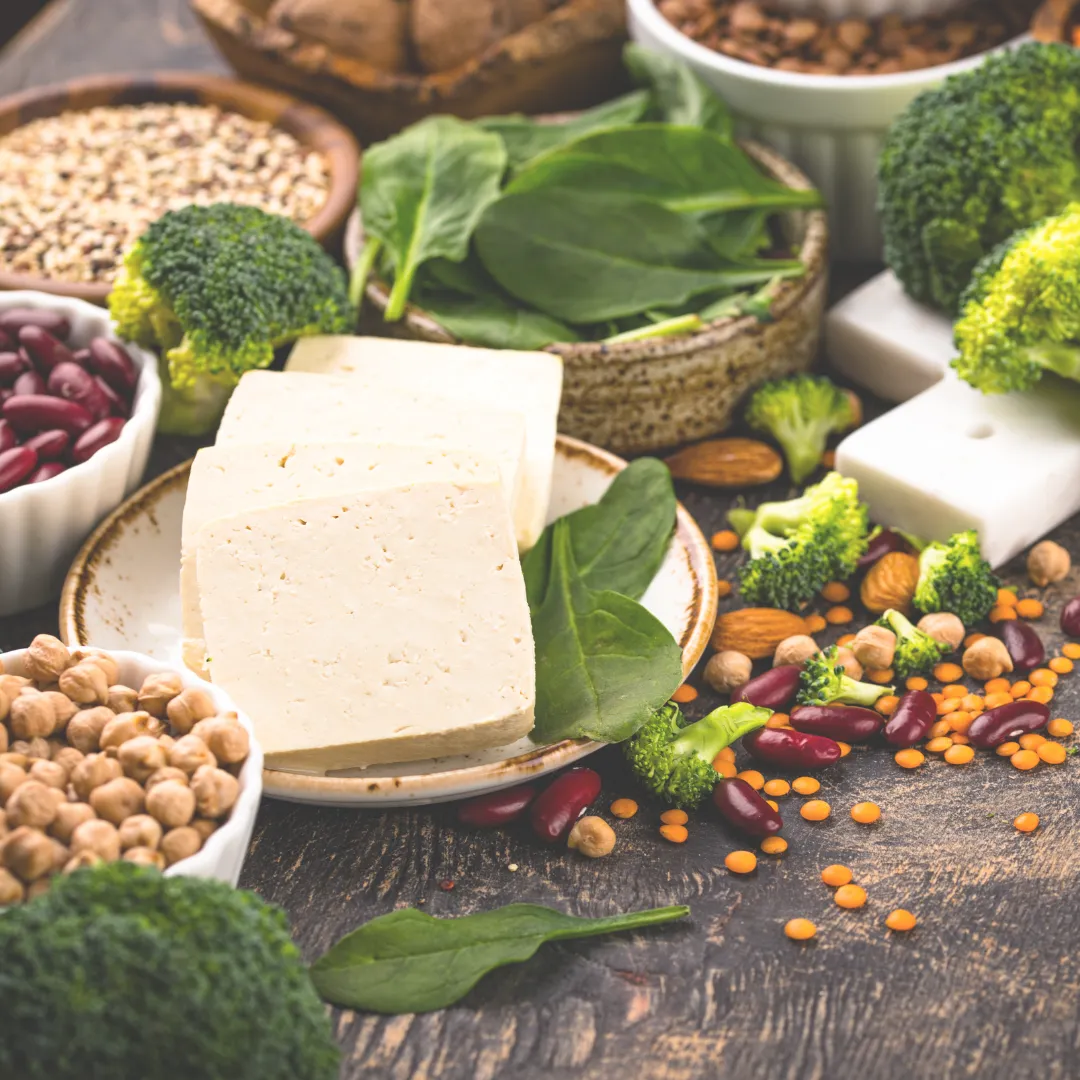
- Protein: tofu, tempeh, edamame, lentils, chickpeas, soy yogurt, or a well-tolerated protein option
- Fiber: cooked vegetables, oats, chia, berries, or brown rice
- Fats: olive oil, tahini, nuts, seeds, avocado
- Minerals: include greens, legumes, pumpkin seeds, iodized salt (if appropriate)
Signal to watch: hunger and energy stability.
Days 4 to 10: Increase fiber slowly, not heroically
If you rarely eat beans, do not jump from zero to three cups a day.
Try:
- Add one new high-fiber food every 2 to 3 days
- Prefer cooked vegetables over large raw salads at first
- Rinse canned beans well and start with smaller portions
Signals to watch: bloating, stool changes, abdominal pain, sleep quality.
If bloating spikes, reduce one fermentable category (often beans or raw vegetables) for 3 to 5 days, then reintroduce gradually.
Days 11 to 20: Run a “swap test” to identify triggers
Pick one symptom you want to improve (bloating, skin, headaches, fatigue).
Then run one controlled swap:
- Replace one food that you eat daily with a simpler alternative for 5 to 7 days
- Keep the rest of the diet stable
Examples:
- Swap onions and garlic for chives or infused oils
- Swap wheat pasta for rice noodles
- Swap large raw salads for cooked greens and roasted vegetables
This is not an elimination diet for life. It is a short experiment to reduce noise and learn.
If you want a more structured elimination approach, many dietitians describe elimination and reintroduction as a systematic process that should be done thoughtfully, ideally with professional support. EatingWell
Days 21 to 31: Lock in your “minimum effective” plant based pattern
Now you have data.
Choose:
- 3 go-to breakfasts
- 3 go-to lunches
- 3 go-to dinners
- 2 snack defaults
The point is sustainability, not novelty.
Nutrients that deserve attention in a vegan month
This is where credibility lives. Plant based can be excellent, but some nutrients need planning.
Vitamin B12
B12 is not reliably available from unfortified plant foods. Harvard notes that people who do not eat animal foods generally need a supplement or consistent fortified foods. Harvard Health Reviews focused on vegan diets also emphasize fortified foods or supplementation as a practical necessity for many people. PMC+1
If you are unsure, talk to a clinician about testing and individualized guidance.
Iron, iodine, omega-3, calcium, vitamin D, protein
These can be met on plant based diets, but the “how” varies by person, lifestyle, and baseline needs. Consider working with a registered dietitian if you have fatigue, heavy training, pregnancy planning, or chronic symptoms.

What to do if “sensitivities” increase during Veganuary
If symptoms rise:
- Simplify meals for 3 days (fewer ingredients)
- Choose cooked, lower-FODMAP leaning plants temporarily (as tolerated)
- Bring protein up, not down
- Check sleep and stress, because gut symptoms often amplify under stress
If symptoms are severe, persistent, or worsening, do not push through. Get professional evaluation.
When to seek medical care quickly
Seek care if you experience:
- swelling of lips or tongue, wheezing, hives, or fainting after eating
- blood in stool, unexplained weight loss, persistent vomiting
- severe abdominal pain or dehydration
Do not self-diagnose food allergy.
FAQ
Is Veganuary good for the gut microbiome?
Plant-forward patterns can support microbiome changes in many people. Evidence from interventional research and ongoing microbiome studies suggests diet can influence gut microbial composition and function. PMC+1
Why am I bloated when I eat more plants?
Often it is a rapid fiber increase or more fermentable carbohydrates. Increase fiber gradually and prefer cooked foods early on.
Do I need vitamin B12 in a vegan month?
Many people do, unless they consistently use fortified foods. Harvard and peer-reviewed reviews emphasize that B12 is not reliably obtained from unfortified plant foods. Harvard Health+2PMC+2
How do I know if it is an allergy or an intolerance?
Allergies involve an immune response and can be severe. Intolerances are more common and usually less dangerous but can still be disruptive. If you suspect allergy, get medical care. Mayo Clinic
Disclaimer:
This information is for educational purposes only and does not constitute professional medical advice. Always consult a healthcare professional before incorporating any new therapy into your practice.
Do you want to see all the updates?
👉 Follow us on Instagram and Facebook and never miss a thing!