Neurogenesis vs. Neuroplasticity: What’s the Difference and Why It Matters for Recovery
Neuroplasticity is the brain’s capacity to rewire existing circuits (synapses, networks, white matter). It’s the main driver of functional recovery after injury and the most actionable target today. Neurogenesis is the birth of new neurons. In adult humans it appears mainly in the hippocampus and likely at low, variable levels. It may support mood and memory, but it’s not a universal repair tool.
For clinics and self-care: train plasticity first with task-specific practice, aerobic exercise, sleep protection, and, where appropriate, carefully applied neuromodulation or biofeedback.
Neuroplasticity
How the brain changes connections with learning, practice, stimulation, or injury. Includes:
- Synaptic changes (LTP/LTD), dendritic spines
- Network re-mapping of functions after injury
- White-matter changes with training and skill learning
Everyday examples:
- Post-stroke arm training improves use by reorganizing nearby motor areas.
- Brisk walking 3×/week can enlarge hippocampal volume and improve memory in older adults.
- Eight weeks of mindfulness training shows gray-matter changes in learning and emotion areas.
Neurogenesis
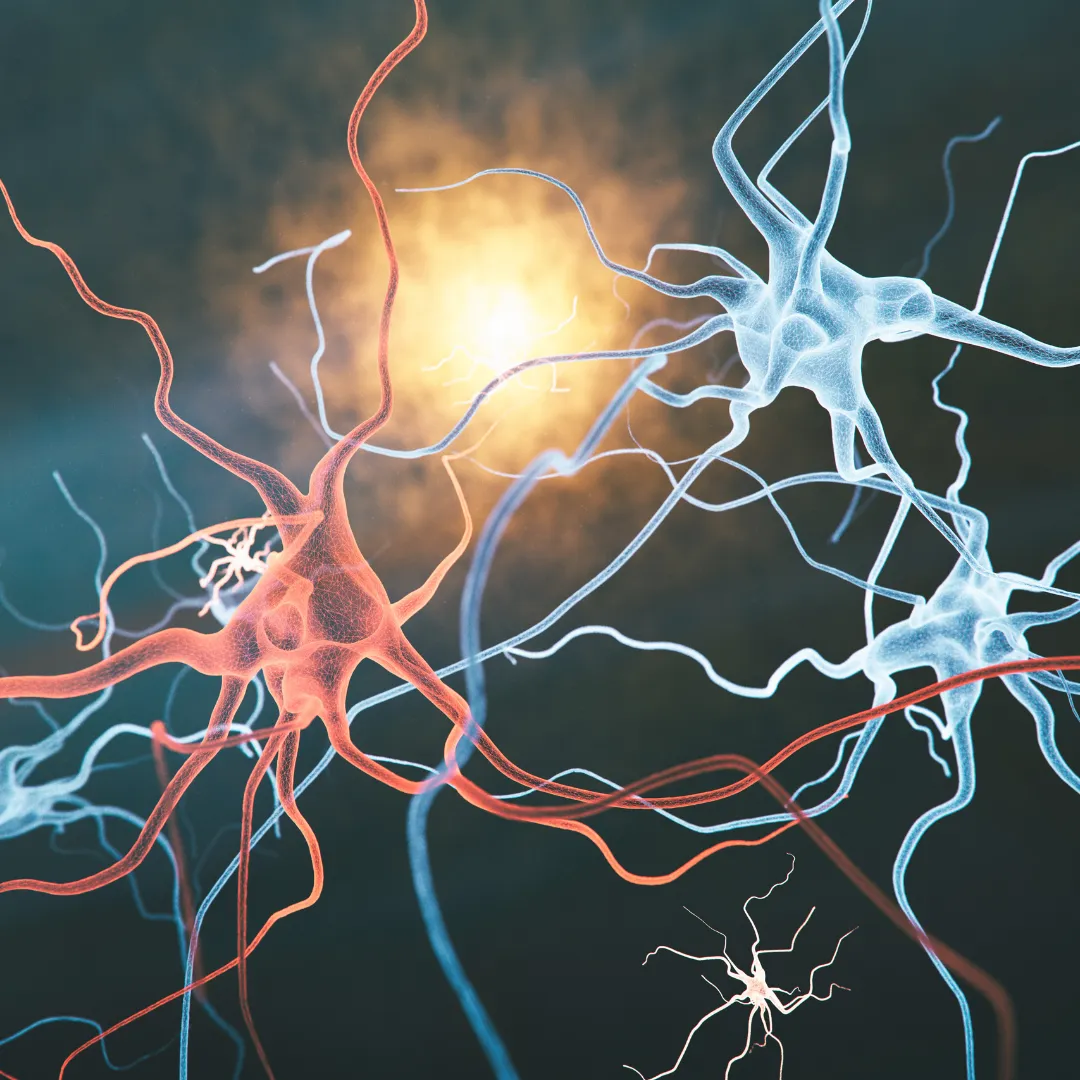
How new neurons are born, mature, and integrate. In adult humans, the best evidence is in the hippocampus (memory, mood). Findings are mixed across labs but trend toward some persistence that declines with age and disease. Clinical translation is ongoing.
Side-by-Side Comparison
| Feature | Neuroplasticity | Neurogenesis |
| What it is | Re-wiring of existing circuits | formation of new neurons |
| Where | Brain-wide (region-specific patterns) | Mostly hippocampus (in adults) |
| Time Course | Minutes to months | Weeks to months (proliferation → integration) |
| How to influence | Practice, intensity, novelty, sleep, aerobic exercise, neuromodulation, biofeedback | Aerobic exercise, enriched environments, stress regulation; human clinical tools are limited |
| Clinical impact today | High (stroke rehab, depression adjuncts, skill learning) | Emerging/uncertain for direct clinical targeting |
| Measurement | Behavior, EMG, TMS, EEG, fMRI, DTI | No routine in-vivo human measure; mostly histology/post-mortem or indirect markers |
Why it Matters for Recovery
- Most rehab gains come from plasticity you can train now
- task-specific, high-repetition, progressively challenging practice reshapes maps and improves function after stroke and TBI
- Hippocampal health supports mood and memory
- Aerobic exercise, learning new skills, and stress regulation likely work via plasticity and may also support neurogenesis
- State matters
- Sleep consolidates learning. Neuromodulation can temporarily bias the brain into LTP/LTD -like “learning windows.” Stack your hardest training with these states.
Evidence-based levers you can use now
- Train plasticity directly
- Task-specific, intensive practice: Shape tasks to just-hard-enough. Progress weekly.
- High repetition + variability: More quality reps with varied contexts = stronger maps.
- Spacing + sleep: Shorter daily sessions beat one marathon session. Protect 7–9 hours of sleep.
- Neuromodulation (clinic-directed)
- Support hippocampus for mood and memory
- Aerobic exercise: Aim for 150 minutes/week at a conversational pace or higher, plus 1–2 higher-intensity bouts if cleared.
- Learn a skill: Language, instrument, dance, or complex craft. Novelty and challenge drives change.
- Mindfulness-based programs: 8-week MBSR shows structural and functional shifts linked to emotion regulation.
- Nutrition basics: Omega-3 rich patterns, polyphenols, and whole-food diets support neurotrophic signalling and keep inflammation down.
- Stabilize networks with biofeedback
- HRV biofeedback: 10–20 minutes/day of paced breathing at your resonance frequency shows moderate benefits across anxiety, depression, and performance outcomes.
- Where do “energy/frequency” modalities fit?
- Established: rTMS is guideline-supported for major depression and explored as a rehab adjunct.
- Promising but early: Transcranial pulsed electromagnetic fields (tPEMF/ENTF) have mixed early data in depression and post-stroke function. Use within trials or as adjuncts under clinical supervision.
Safety note: Neuromodulation and EMF tools should be prescribed or supervised by trained clinicians, following contraindications (e.g., metal implants, seizure risk, pregnancy considerations).
Myths to retire
- “Adults can’t change their brains.” → Adults brains are in constant flux, thouugh change is less than in youth
- “Recovery = growing new neurons everywhere” → Functional gains mostly reflect rewiring of existing circuits; adult neurogenesis is localized and limited
- “Do one giant session once a week.” → distributed, repeated practice leads to far better learning and retention than intensive practice
Where do Thera Wellness devices fit?
Thera Wellness devices are best used as adjuncts that prepare the nervous system for learning, reduce pain-related interference, and support recovery behaviors. They complement standard-of-care rehab, psychotherapy, and medical management.
Thera Wellness® targets recovery readiness, pain modulation, circulation, and autonomic balance that can indirectly support neuroplastic training.
When to use:
- Priming before therapy: 10–20 minutes immediately before task-specific practice, PT/OT, or cognitive training to reduce pain and increase engagement.
- Cool-down: 10–15 minutes after high-effort sessions to promote relaxation and sleep quality on training days.
Protocols (examples to individualize):
- Subacute/chronic stroke: low–moderate field sessions 10–20 min pre-practice, 3–5×/week.
- Chronic pain + rehab: short daily sessions on flare days; pair with graded exposure exercises.
FAQ
Is adult neurogenesis real?
Human evidence best supports some hippocampal neurogenesis into adulthood, with age-related decline. Findings differ between labs due to tissue methods and markers.
Can supplements “boost neurogenesis”?
Be cautious. Human-grade evidence is thin. Prioritize exercise, sleep, stress regulation, and learning, which are reliably supportive of neural plasticity.
How long until I notice changes?
Plasticity can shift within days to weeks with consistent practice. Functional gains depend on baseline, intensity, and adherence.
Further Reading
Kleim & Jones (2008) → Principles of experience-dependent neural plasticity
Why read: the classic 10 rules clinicians still use to design effective rehab dosing and practice.
Zotey et al. (2023) → Adaptive neuroplasticity in brain-injury recovery (review)
Why read: up-to-date synthesis linking animal, human imaging, and rehabilitation protocols.
Tikka et al. (2023) → Evidence-based clinical practice guidelines for rTMS in depression
Why read: practical protocol guidance, safety, and indications from an expert consensus guideline.
Noda et al. (2025) → rTMS as maintenance for treatment-resistant depression (JAMA Network Open)
Why read: fresh clinical data on preventing relapse after acute response.
Hu et al. (2020) → Targeted memory reactivation during sleep (meta-analysis)
Why read: how pairing learning with specific sleep cues can enhance consolidation.
Newbury et al. (2021) → Sleep deprivation and memory (meta-analytic review)
Why read: quantifies how both pre- and post-learning sleep loss harms memory—key for scheduling rehab.
Sanaeifar et al. (2024) → Physical exercise and BDNF (meta-analysis)
Why read: links aerobic exercise to neurotrophic signaling that supports hippocampal plasticity.
Gholami et al. (2025) → Exercise training increases resting BDNF in older adults (meta-analysis)
Why read: age-relevant evidence that training elevates circulating BDNF.
Disclaimer:
This information is for educational purposes only and does not constitute professional medical advice. Always consult a healthcare professional before incorporating any new therapy into your practice.
Do you want to see all the updates?
👉 Follow us on Instagram and Facebook and never miss a thing!