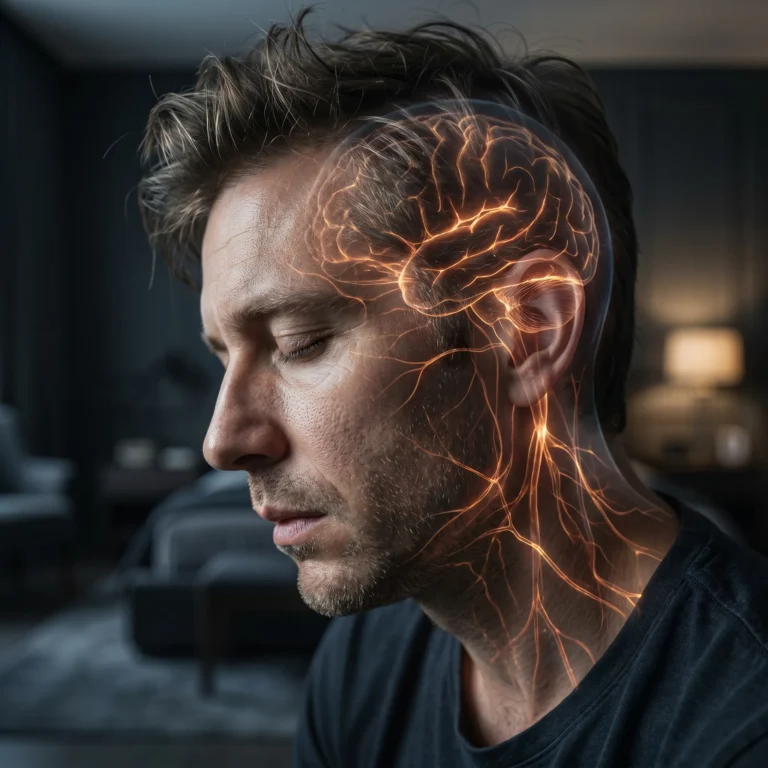
Nervous System Regulation for Sleep: Solving the 2026 Clinical Bottleneck
As Mental Health Month 2026 highlights the theme “More Good Days, Together,” holistic practitioners are facing a growing challenge: the systemic “rest deficit.” For the modern client, well-being is often dictated by whether they feel settled in their body and able to achieve deep, restorative sleep.
However, for a significant portion of the population, the stress-sleep cycle has become a closed loop of sympathetic dominance. When nocturnal tension builds, the body loses its ability to down-regulate. As a practitioner, understanding nervous system regulation for sleep is no longer optional; it is the primary key to unlocking client results across all other modalities.
The 2026 Client Profile: “Sympathetic Overdrive”
Your clients often present with a specific type of exhaustion. Their bodies are fatigued, but their nervous systems remain in “go” mode. This isn’t just a lack of sleep hygiene; it is a biophysical state where the autonomic nervous system (ANS) is unable to transition out of a defensive posture.
In a clinical setting, this sympathetic dominance often manifests as:
- The “Tired but Wired” Phenomenon: Exhaustion paired with immediate mental alertness at bedtime.
- Fragmented Recovery: Waking during the night and struggling to re-establish a parasympathetic state.
- Persistent Muscle Tension: Sleeping for the required duration but waking with systemic rigidity.
- Reduced Clinical Receptivity: Clients who are too “activated” to fully benefit from nutritional or manual interventions.
To break this cycle, practitioners must move beyond standard advice and provide active, non-invasive support to facilitate a more complete transition into rest.

Why Autonomic Balance Dictates Recovery Outcomes
Restorative sleep is not merely a lifestyle choice; it is a biophysical requirement for systemic regeneration. When the body achieves a consistent parasympathetic state, practitioners observe:
- Enhanced Emotional Equilibrium: Reduced reactivity and improved cognitive perspective.
- Optimized Metabolic Function: Better regulation of the hormonal markers that dictate hunger and energy.
- Accelerated Tissue Support: The “fix and repair” mode of the immune system (M2 macrophage polarization) is highest during deep, regulated rest.
For a holistic practice, prioritizing a client’s sleep quality is the most practical way to ensure their body has the energetic “budget” to respond to your primary protocols.

Supporting the Shift: From Stimulation to Stillness
While CDC guidelines correctly emphasize consistency and reduced stimulation -such as avoiding bright screens and caffeine- many clients require more than environmental changes to “put the day down.” Their nervous systems need a biological “anchor” to remind them how to soften.
This is where the shift from “trying to sleep” to “supporting the conditions for rest” becomes vital. A supportive clinical protocol focuses on:
- Establishing a steadier biological rhythm.
- Neutralizing the “optical noise” of digital overstimulation.
- Actively promoting a calmer transition out of sympathetic dominance.
The Role of Bio-Energetic Technology in Neurowellness
For many practitioners, the missing piece in sleep support is a non-invasive tool that can manually facilitate relaxation without chemical intervention. The THERA WELLNESS® 5-in-1 system is designed to meet this need by providing targeted energetic balance.
Rather than approaching nocturnal tension as an isolated issue, THERA WELLNESS® technology addresses the systemic load. By utilizing 180 signal inversion, the device identifies disruptive “D” signals (stressors) and amplifies harmonious “H” signals to support a profound shift into the parasympathetic state.
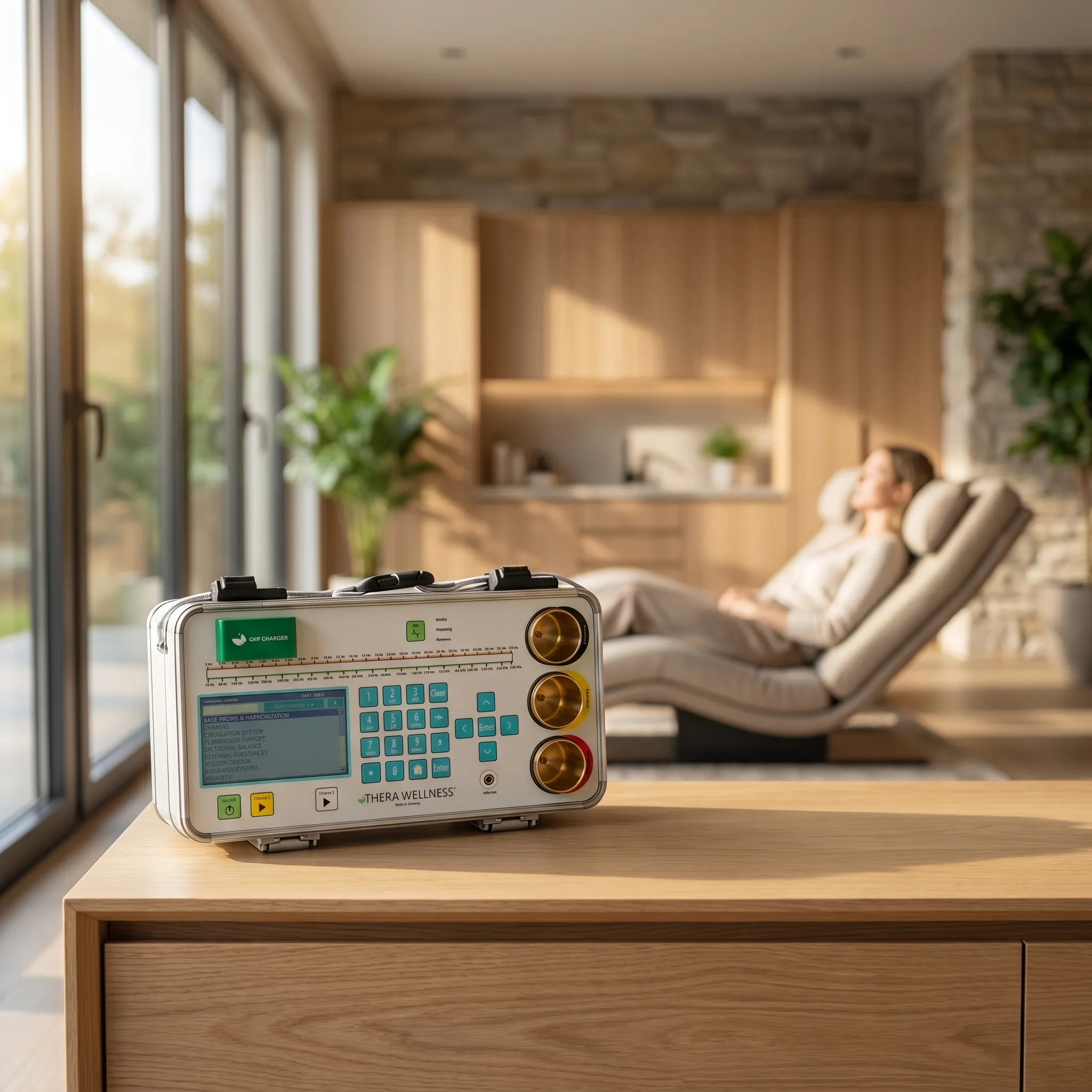
Key Clinical Advantages:
- Automated Down-Regulation: Use the Dynamic Multi-Impulse (DMI) modality to deliver Schumann waves, entraining the client’s brainwaves into the restorative Alpha and Theta states.
- Visual Assessment: Utilize the Thera Wellness® software to show clients the visual proof of their energetic stress markers, increasing their commitment to your recommended protocols.
- Staff-Delegated Care: With 220+ automated programs, your support staff can administer relaxation sessions, generating clinic revenue while you focus on complex cases.
A Scalable Framework for Your Practice
Integrating sleep support into your clinic does not have to be complex. It starts with a few steady practices that help the client’s body feel less activated and more supported. By combining evidence-based lifestyle changes with professional biofield technology, you provide a grounded, high-tech solution that fits seamlessly into a modern wellness routine.
Better nights do not solve every clinical challenge, but they change how the body responds to every other protocol you offer. That is where “more good days” truly begin.
Disclaimer:
This information is for educational purposes only and does not constitute professional medical advice. Always consult a healthcare professional before incorporating any new therapy into your practice.
Do you want to see all the updates?
👉 Follow us on Instagram and Facebook and never miss a thing!