THERA Wellness® THERA Wellness®

Blog

Student in a red hoodie wearing headphones while working at a laptop with a pen in hand
Blog

Why Background Noise May Help Some ADHD Brains Focus

For many people, concentration seems to require quiet. A nearby conversation, humming appliance, or repetitive sound can pull attention away from the task at hand. Yet some people with attention-deficit/hyperactivity disorder (ADHD) describe the opposite experience: a completely silent room feels uncomfortable, while the steady hum of a fan, rainfall


Read More »
Two people walking together along a narrow path through a lush green tree tunnel
Blog

What If Being Kinder to Yourself Is Actually Practical?

Wellness culture often teaches people to push harder. Be more disciplined. Have more willpower. Stop making excuses. Fix your habits. Get your body under control. But Self-Compassion Theory asks a very different question: what if harsh self-criticism is not what helps people heal? What if kindness toward yourself is not

Read More »
Two friends leaning on a railing talking at dusk with city lights behind them
Blog

Why Your Nervous System Was Never Meant to Do Life Alone

Wellness culture often talks about self-regulation.   Breathe deeply. Journal more. Meditate daily. Fix your sleep. Calm your nervous system. Build better habits.   These tools can be helpful. But Social Baseline Theory asks an important question: what if the nervous system never evolved to regulate completely alone?   Social

Read More »
Six people silhouetted against a golden sunrise raising their arms on a hilltop
Blog

Can Belonging Be a Form of Medicine?

Modern wellness often focuses on the individual: your routine, your habits, your sleep, your stress, your nervous system, your healing journey.   But the Social Cure Theory asks a different question: what if healing is not only something we do alone, but something we also experience through “us”?   The

Read More »
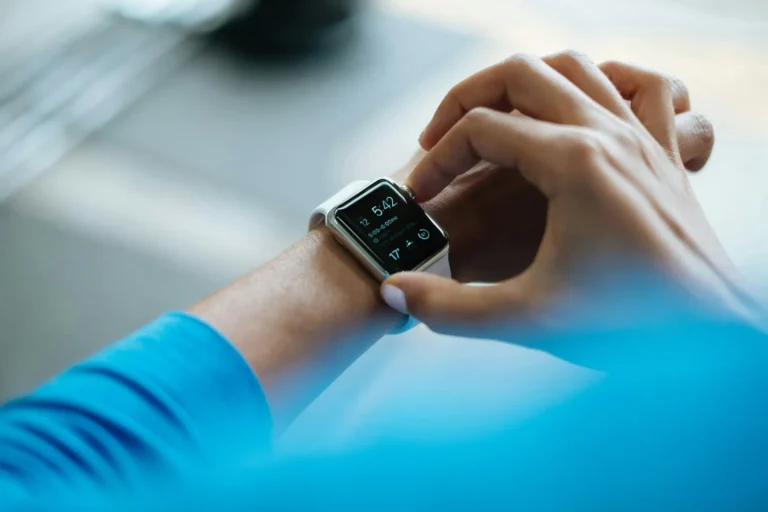
Person checking a smartwatch displaying time, schedule, and temperature data on their wrist
Blog

Why Closed-Loop Medicine Could Change the Future of Personalized Healthcare

Modern medicine is moving beyond one-size-fits-all treatments. Could therapies that continuously respond to the body’s own signals represent the next evolution in healthcare?   Medicine has always relied on feedback.   Photo by Vitaly Gariev on Unsplash    A physician adjusts a medication after reviewing blood pressure readings. An endocrinologist

Read More »
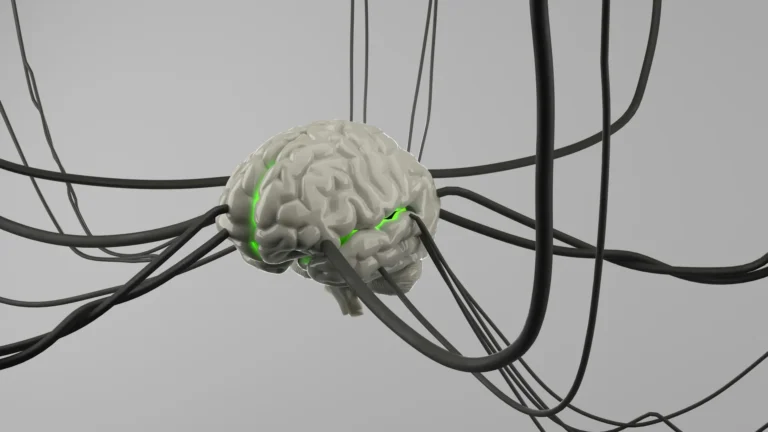
3D rendering of a human brain wired to multiple electrodes, illustrating deep brain stimulation of neural circuits
Blog

What Is Bioelectronic Medicine? How Electricity Is Changing Modern Healthcare

From pacemakers and cochlear implants to deep brain stimulation, electrical therapies are already transforming medicine. Could they represent the next evolution in healthcare?   Photo by Toon Lambrechts on Unsplash    When most people think about modern medicine, they think about pharmaceuticals.   A patient develops high blood pressure and

Read More »
Man pausing by a window during a calm morning routine to reduce micro-stressors.
Blog

Why Your Nervous System Hates Micro-Stressors

Why Your Nervous System Hates Micro-Stressors Most people think of stress as something obvious: a major deadline, a breakup, a financial problem, an argument, or a crisis. But the nervous system does not only respond to big events. It also responds to the small, repeated stressors that fill everyday life.

Read More »
Exhausted woman holding forehead in front of a computer screen showcasing digital overload and autonomic nervous system stress.
Blog

Beyond the Burnout Culture: The Deep Biological Cost of Living Overstimulated

In a world of constant notifications, background noise, packed schedules, bright screens, and endless information, many people are not just tired; they are overstimulated. Overstimulation happens when the brain and body take in more input than they can comfortably process. This can leave someone feeling irritable, anxious, foggy, drained, restless,

Read More »
Skip to content