The Science of Self-Sabotage: Why We Block Our Own Healing
Healing sounds simple: rest, recover, release, yet many people find themselves doing the exact opposite.
They delay treatment, avoid self-care, pick at emotional wounds, return to the same cycles, or unconsciously recreate the very conditions that cause them pain.
This experience is not a personality flaw. It’s a deeply studied psychological and neurobiological phenomenon known as self-sabotage.
Self-Sabotage Is a Nervous System Issue, Not a Willpower Issue
Self-sabotage is often rooted in nervous system dysregulation. When the body has spent years in chronic stress or “fight-or-flight,” the brain starts to view stress as familiar and, therefore, strangely, safe.
Research shows that the brain prefers the predictable over the unfamiliar, even when the predictable is painful. This is the foundation of polyvagal theory: the nervous system chooses survival patterns, not happiness.
So when someone starts healing, slowing down, feeling emotions, or setting boundaries, the nervous system may interpret it as unsafe, triggering avoidance, procrastination, or self-sabotaging behaviours.
Childhood Patterning Shapes Adult Healing Behaviors
Many self-sabotage patterns begin as adaptive responses in childhood.
- People who grew up with chaos may physiologically be drawn to intensity.
- Those raised without emotional safety may feel uncomfortable with calm.
- Those who learned to suppress emotions may panic when healing brings them to the surface.
Attachment research shows that early experiences shape adult coping styles, especially under stress. Healing requires vulnerability, and if vulnerability once felt dangerous, the brain may resist.
The Subconscious Brain Protects You Even When It Hurts You
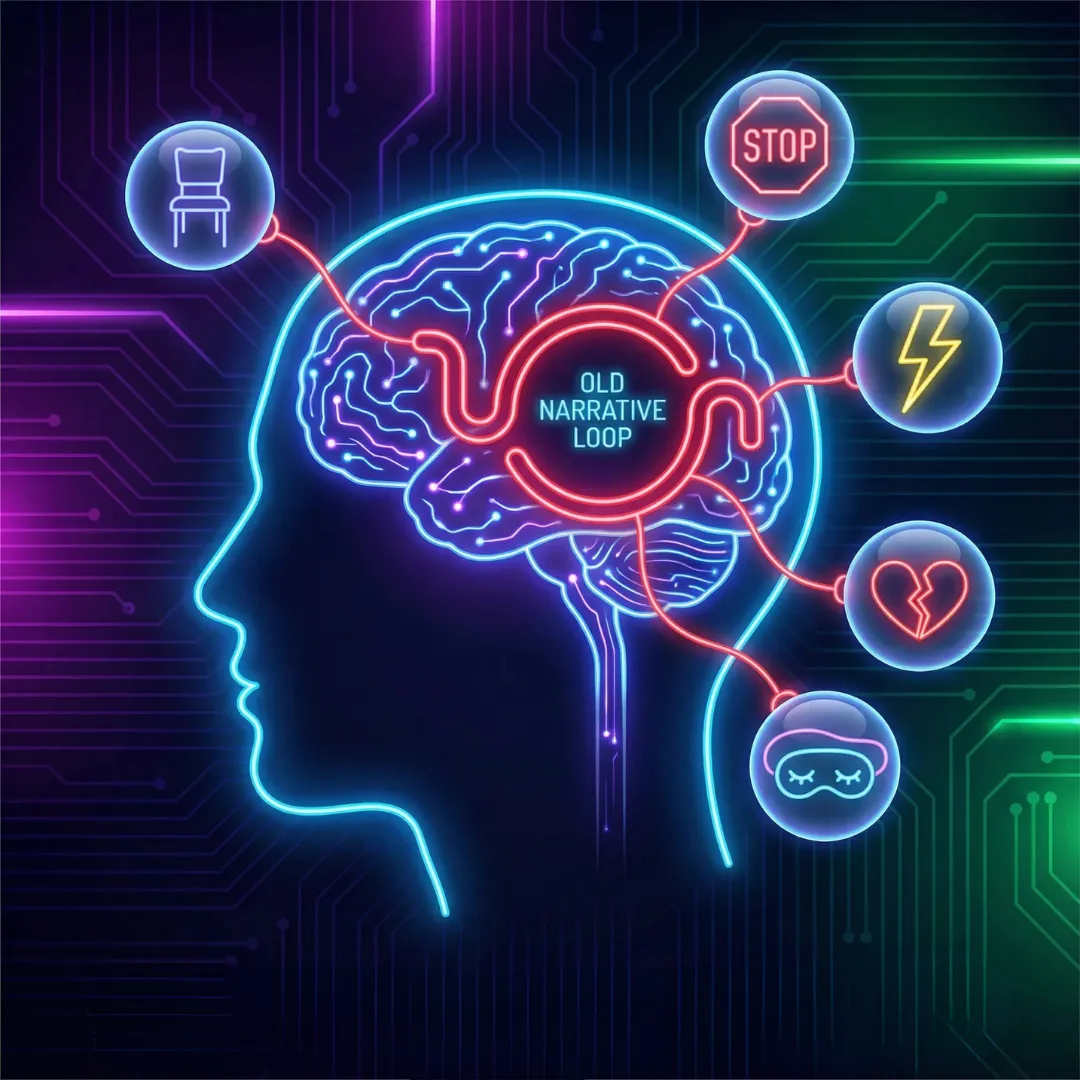
Up to 95% of behavior is driven by subconscious patterning
If healing challenges a long-held belief
- “I don’t deserve to feel better.”
- “If I heal, I’ll lose my identity.”
- “Good things don’t last.”
The subconscious may activate behaviors that preserve the old narrative.
This includes:
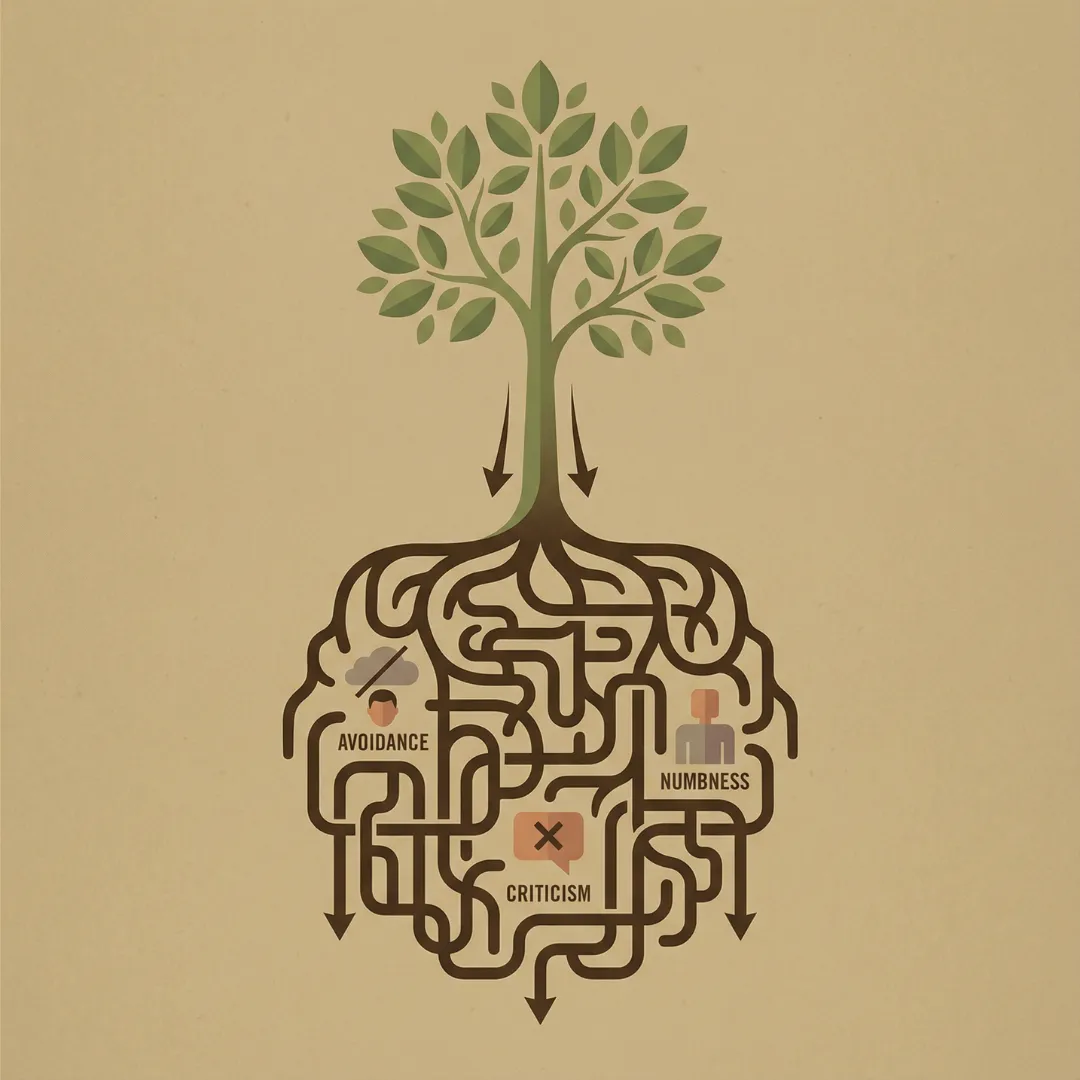
✓ avoiding appointments
✓ stopping treatments early
✓ self-criticism
✓ returning to unhealthy relationships
✓ numbing instead of feeling
This is not weakness; it’s a protective strategy wired into the brain.
Emotionally, Healing Requires Regulation, Not Forcing Change
Emotional regulation research shows that people often self-sabotage not to feel worse, but to avoid feeling overwhelmed
Healing can activate:
- buried emotions
- old memories
- discomfort in the body
- fear of change
If the nervous system cannot regulate these sensations, the brain chooses the path that feels easier in the moment, even if it leads to long-term suffering.
Why Energy-Based Therapies Help Break the Cycle
Here’s where Thera Wellness’s modalities align beautifully with psychology and neuroscience.
Self-sabotage isn’t cognitive; it’s physiological.
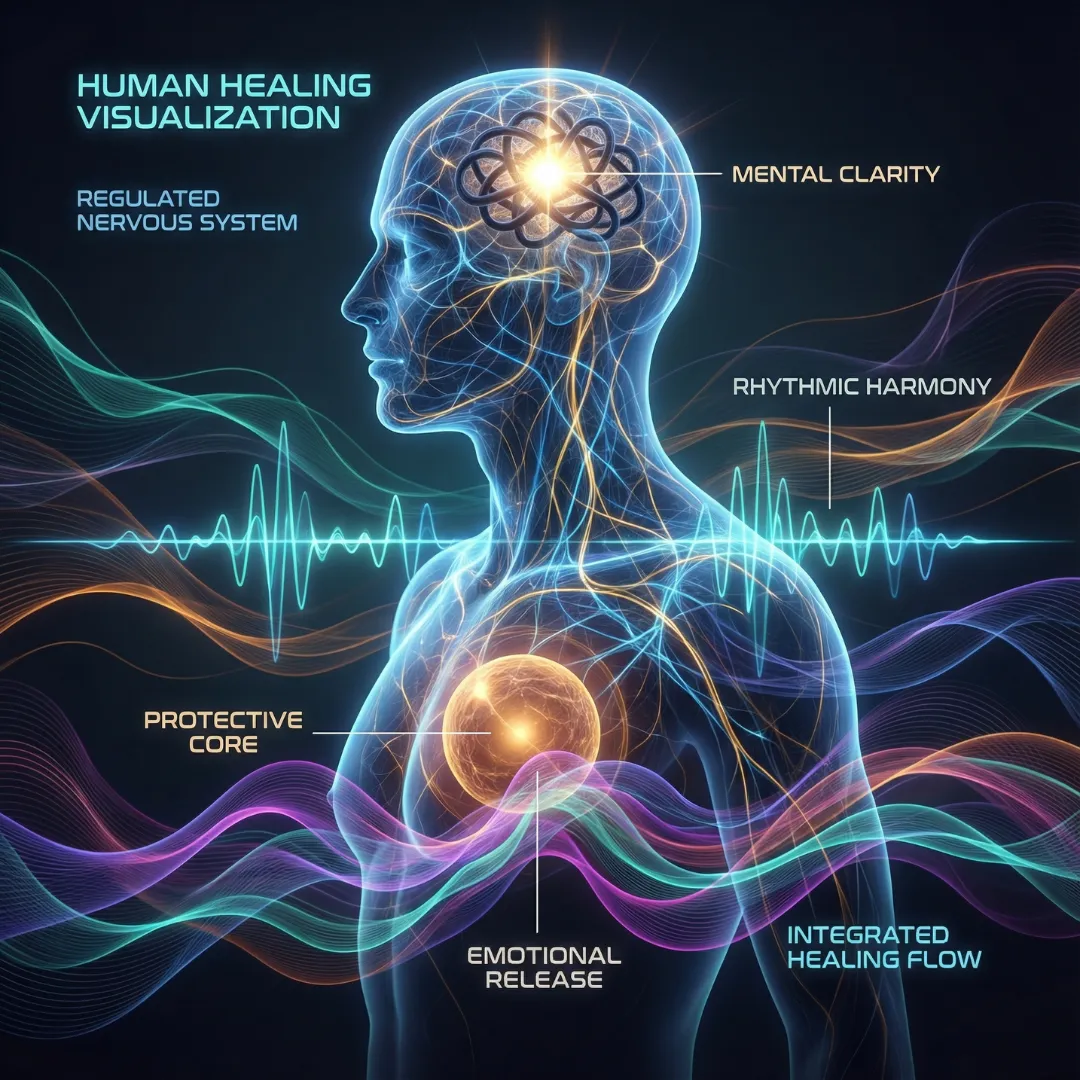
Energy-based and biofeedback therapies help regulate the nervous system from the bottom up.
Biofeedback & HRV: teaches the nervous system how to shift out of threat mode.
Microcurrent & Frequency therapies: improve vagal tone and emotional regulation.
PEMF: reduces limbic system overactivation, improving emotional stability.
Biofield therapies: release subconscious emotional imprinting stored in the body.
Research supports these mechanisms:
- HRV biofeedback improves anxiety, emotional regulation, and trauma symptoms
- Frequency-specific microcurrent reduces inflammatory cytokines linked to stress responses
- Biofield therapies reduce pain, anxiety, and emotional distress through autonomic regulation
When the body feels safe, the mind stops sabotaging healing.
Healing Requires Safety, Not Discipline
People don’t self-sabotage because they’re weak.
They self-sabotage because their body is trying to protect them using outdated survival strategies.
Healing becomes possible when:
- the nervous system feels safe
- emotions can be processed not suppressed
- subconscious patterns are brought into awareness
- the body experiences coherence and regulation
The goal is not to force healing, but to create the internal conditions where healing becomes effortless.
Further Reading
- Academic self-handicapping and achievement: A meta-analysis.
- Trapped in Self-Sabotage Patterns: The Role of Coping Styles in Early Adulthood with Emotionally Immature Parents
- Siegel, D. J. (2020). The Developing Mind. (How early patterns shape adult behaviors).
- Kahneman, D. (2011). Thinking, Fast and Slow. (Decision-making, automatic behaviours).
Disclaimer:
This information is for educational purposes only and does not constitute professional medical advice. Always consult a healthcare professional before incorporating any new therapy into your practice.
Do you want to see all the updates?
👉 Follow us on Instagram and Facebook and never miss a thing!