Glymphatic Hygiene: How to Detox Your Brain While You Sleep
You’ve heard of a body detox, but what about a Brain Detox?
Your brain actually has a built-in cleaning crew called the Glymphatic System. It is a fluid-clearing network that becomes active primarily while you sleep, flushing out metabolic waste and toxins.
Think of Glymphatic Hygiene as the specific, science-backed habits that set this system up for success, so you wake up feeling clearer, calmer, and more focused. [PubMed] [PMC]
What is the Glymphatic System? (The Science of Brain Detox)
The Glymphatic System is your brain’s waste clearance pathway.
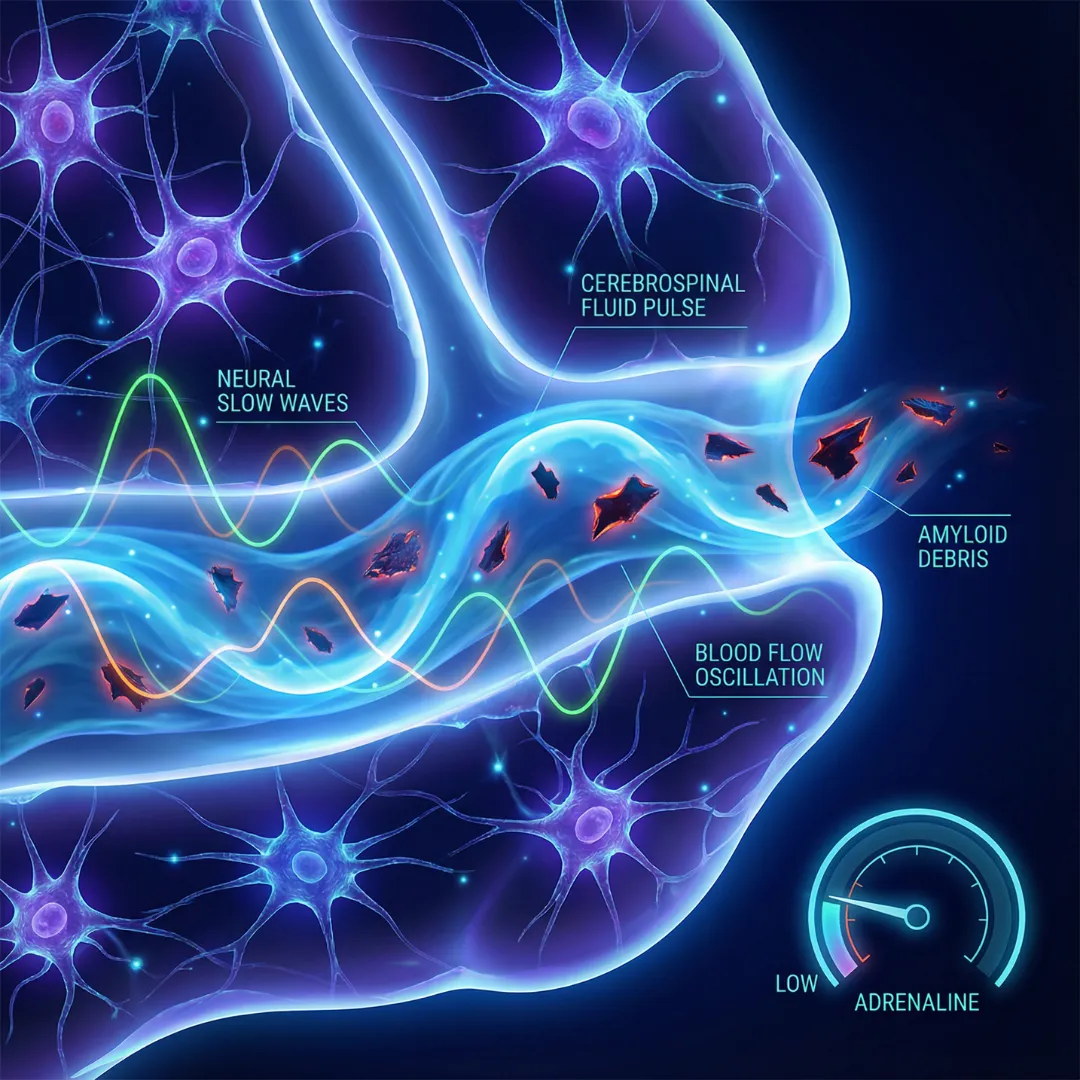
During non-REM sleep, your brain cells actually shrink slightly. This enlarges the space between them by ~60%, allowing cerebrospinal fluid (CSF) to rush in and wash away metabolic by-products like β-amyloid.
In 2025, advanced MRI imaging in humans confirmed that this isn’t just happening in mice; there are coupled waves of neural activity, blood flow, and CSF washing through the brain during deep sleep.
The Key Driver: Emerging 2025 research highlights that slow oscillations in norepinephrine (adrenaline) coordinate this flow. This means that if you are stressed (high adrenaline) before bed, the cleaning crew cannot do its job. [Cell] [Science]
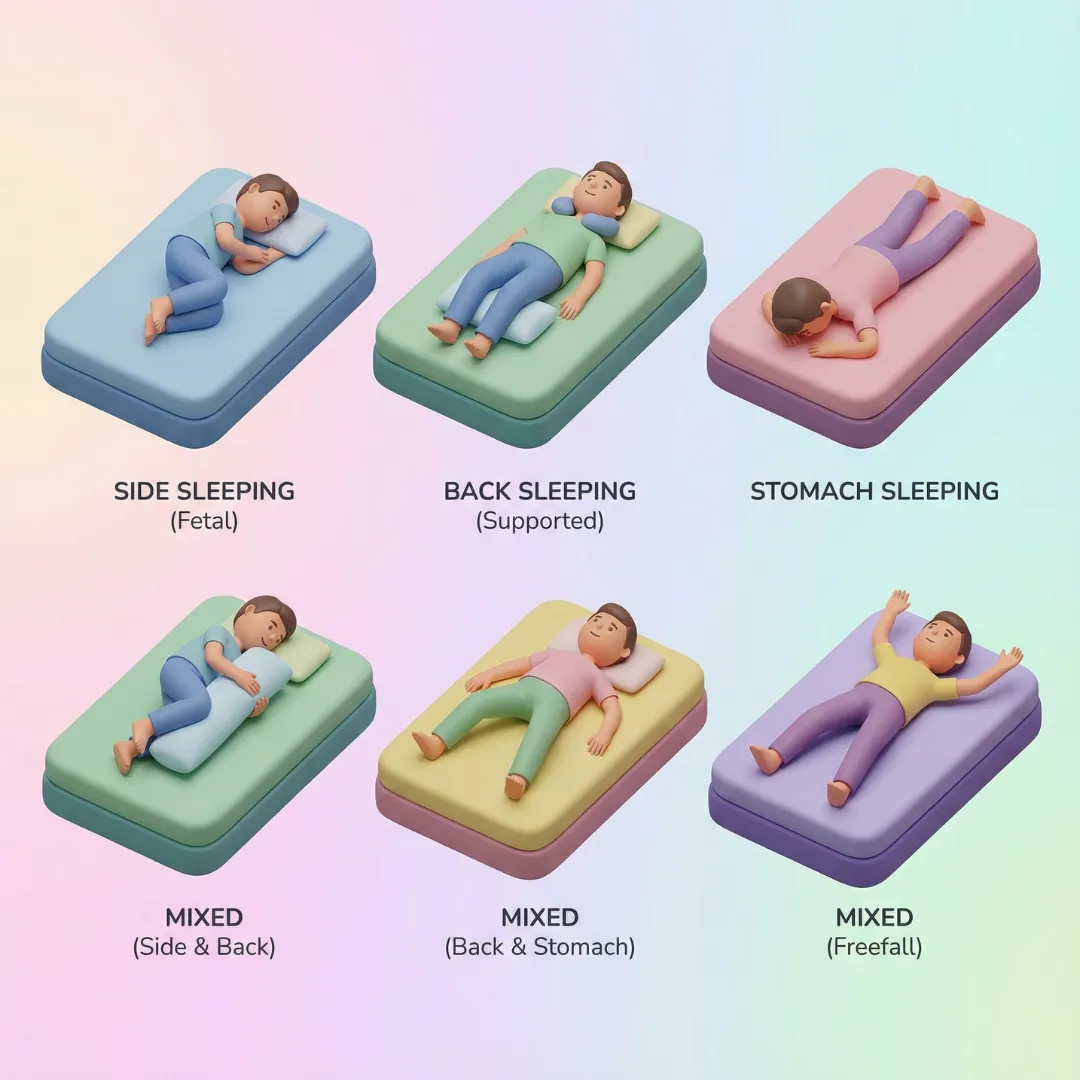
Does Sleep Position Matter?
You may have heard that side sleeping is better for brain detox.
Animal studies have suggested that lateral (side) positions support more efficient glymphatic transport than sleeping on your stomach or back.
While human imaging is still catching up, treat this as a gentle nudge: If side-lying is comfortable for you, it is a reasonable strategy to try. [PMC]
The 60-Minute Brain Detox Routine
To optimize your glymphatic function, you need to lower your arousal state before you close your eyes. Try this timeline tonight.
🔻 T-Minus 60 Minutes: Dim & De-stim
- Lighting: Lower household lights to signal melatonin production.
- Thermal Regulation: Take a warm shower or bath (10–20 mins). This helps your core body temperature drop afterward, a biological cue for sleep onset. [ScienceDirect]
🔻 T-Minus 30 Minutes: Breathe & Unwind
- Breathwork: Practice nasal breathing with a long exhale (4 counts in / 6 counts out) to nudge the nervous system into “rest-and-digest.”
- Mobility: Do gentle neck and jaw circles. Releasing physical tension in the neck is crucial for opening the pathways where fluid drains.
🔻 T-Minus 10 Minutes: Biofield Micro-Alignment
- The Tech Assist: Use a short, closed-loop Biofield Session (e.g., Autonomic Balance or Sleep Support).
- The Goal: This helps “land the plane” after a busy day by down-shifting energetic arousal. Think of it as a primer that prepares your brain for the deep work of sleep.
(Note: Thera Wellness® is a non-medical wellness biofield technology designed to support relaxation and self-regulation.)
The Morning Anchor (Lock in Your Gains)
Glymphatic hygiene is a 24-hour loop. To sleep well tonight, you need to set your clock this morning.
The Protocol: Get 10–20 minutes of outdoor light within an hour of waking.
- Why? Daytime light exposure correlates with better sleep duration and reduced evening “drag.”
- Pro Tip: If you struggle with sleep inertia (grogginess), dawn simulators or immediate light exposure can help jumpstart your rhythm. [PubMed] [ScienceDirect]
Your 7-Night Glymphatic Challenge
Don’t try to change everything at once. Build the routine over one week.
- Nights 1–2: Commit to the 60-Minute Wind-Down sequence. Log your morning clarity (0–10).
- Night 3: Add 3 minutes of nasal breathing after lights out if your mind is racing.
- Night 4: Move dinner to 3 hours before bed (digestion competes with detox).
- Night 5: Trial side-sleeping with a pillow between your knees for hip alignment. [PMC]
- Night 6: If your wearable shows low HRV, use the Biofield Micro-Alignment before bed.
- Night 7: Review your data. Keep the 2 habits that boosted your morning clarity the most.
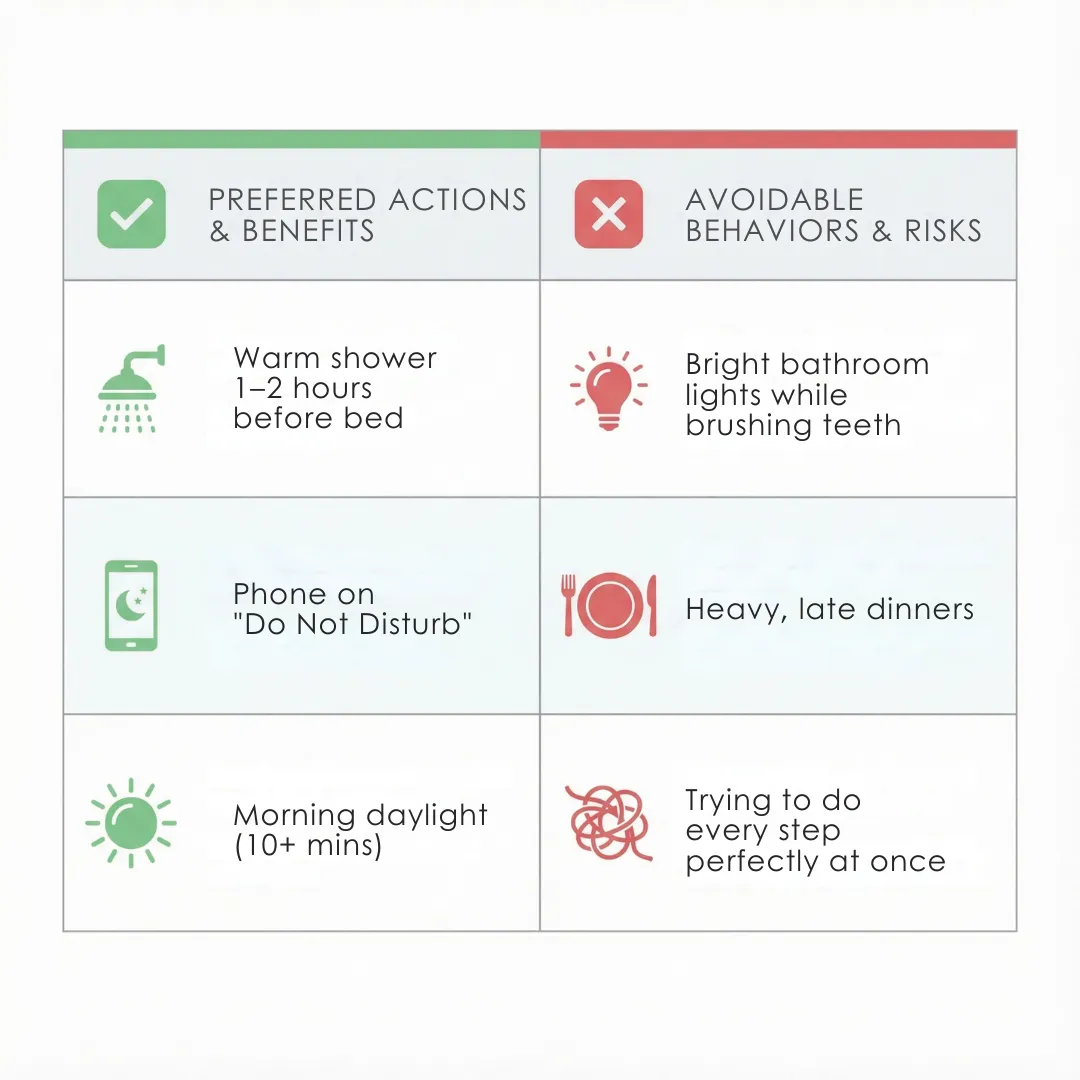
Quick Wins vs. Common Pitfalls
| Quick Wins (Do These) | Common Pitfalls (Avoid These) |
| Warm shower 1–2 hours before bed | Bright bathroom lights while brushing teeth |
| Phone on “Do Not Disturb” | Heavy, late dinners |
| Morning daylight (10+ mins) | Trying to do every step perfectly at once |
Frequently Asked Questions (FAQ)
What is glymphatic hygiene?
It is a set of habits -like dimming lights, consistent sleep schedules, and breathwork- that support the brain’s ability to flush out toxins while you sleep. PubMedPMC
Is there proof that the brain cleans itself?
Yes. MRI studies in humans have visualized the coupling of blood flow and cerebrospinal fluid (CSF) washing through the brain during non-REM sleep. PubMedPMC
Does side-sleeping really help brain detox?
Animal research suggests side-sleeping is the most efficient position for glymphatic clearance. While human data is evolving, it is considered a beneficial posture if comfort allows. PMC
How does biofield alignment help sleep?
Biofield sessions help down-shift the nervous system. Since high adrenaline (norepinephrine) inhibits glymphatic flow, using biofield tech to calm arousal before bed supports the brain’s natural cleaning process. Cell
Wake up clearer tomorrow.
Tonight, try the 60-minute wind-down. To explore how Thera Wellness Biofield Technology can help you lower arousal and support deep rest, visit the links below.
References
- Xie L. et al. Science (2013): Sleep increases interstitial space and solute clearance (mouse). SciencePMC
- Fultz N.E. et al. Science (2019): Slow-wave activity is coupled to hemodynamic and CSF oscillations in human sleep (MRI). SciencePMC
- Naganawa S. (2023 review): Human glymphatic investigations with MRI. PMC
- Ringstad G. (2024 review): Imaging glymphatic–lymphatic coupling in humans. PMC
- Hauglund N.L. et al. Cell (2025): Infraslow norepinephrine oscillations predict glymphatic clearance in NREM sleep. Cell+1
- Lee H. et al. (2015): Lateral sleep position increased glymphatic transport vs. prone in animals; press summary. PMCnews.stonybrook.edu
- Haghayegh S. et al. (2019): Warm shower/bath 1–2 h before bed improves sleep onset and efficiency (systematic review). ScienceDirect
- Boubekri M. et al. (2014) & Figueiro M. (2017): Daylight exposure links to better sleep duration/quality and mood in office workers. PMCPubMedScienceDirect
- Thompson A. et al. (2014): Dawn simulation reduces sleep inertia and improves post-wake performance. PubMed
Disclaimer:
This information is for educational purposes only and does not constitute professional medical advice. Always consult a healthcare professional before incorporating any new therapy into your practice.
Do you want to see all the updates?
👉 Follow us on Instagram and Facebook and never miss a thing!