
Why Your Nervous System Hates Micro-Stressors
Most people think of stress as something obvious: a major deadline, a breakup, a financial problem, an argument, or a crisis. But the nervous system does not only respond to big events. It also responds to the small, repeated stressors that fill everyday life.
These are sometimes called “micro-stressors”: the tiny demands, interruptions, frustrations, and pressures that seem too small to matter on their own but slowly build up over time. A notification while you are trying to focus. A sink full of dishes. A message you forgot to answer. Traffic. Background noise. A messy room. A difficult tone in someone’s text. Another small decision. Another task added to the list.
Individually, these moments may not seem serious. But when they happen all day, without enough recovery in between, they can keep the nervous system in a state of low-level alert.
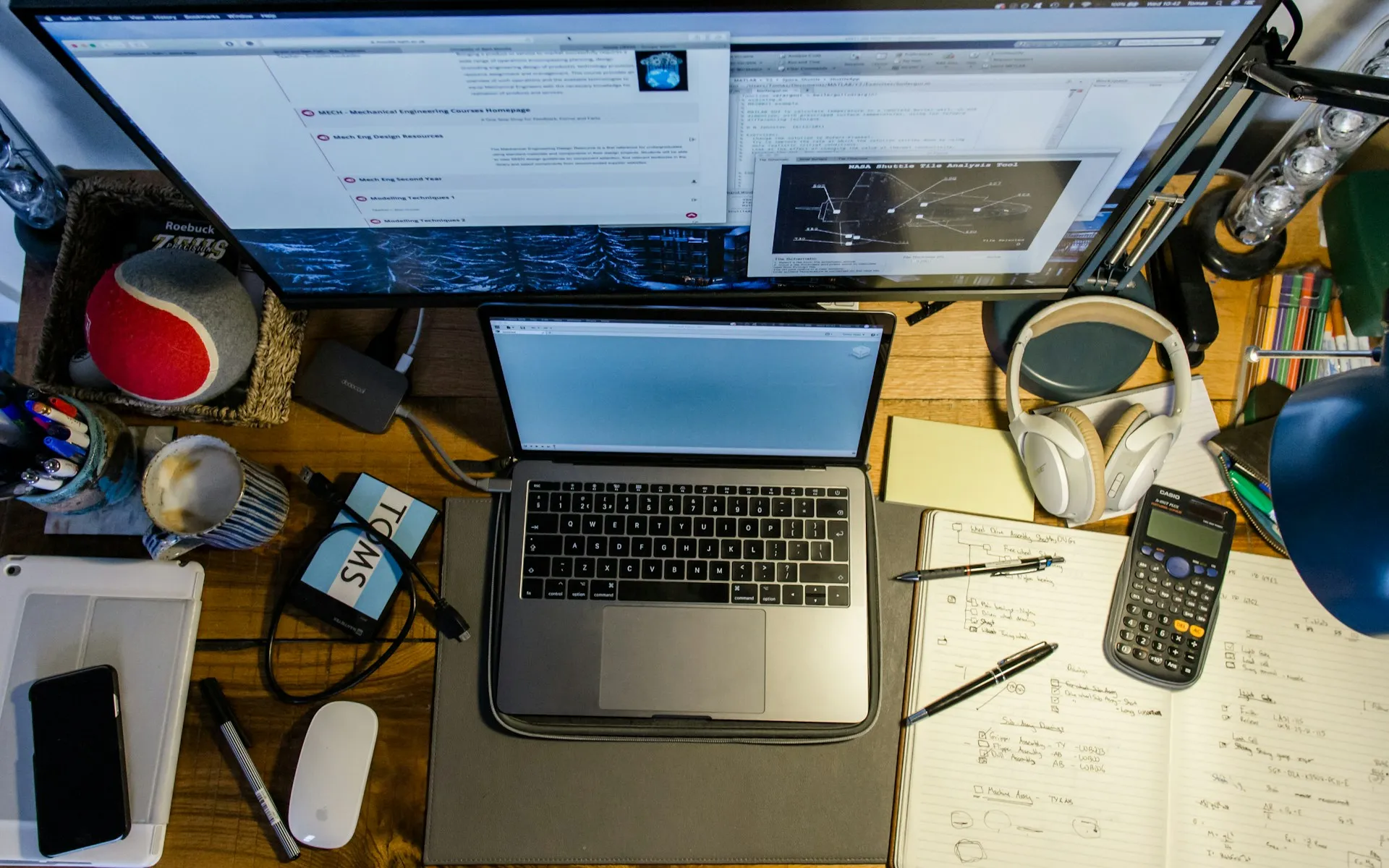
Photo by Tomas Yates on Unsplash
What Are Micro-Stressors?
Micro-stressors are small, everyday stress signals that place demands on the brain and body. They may not feel dramatic, but they still require your system to respond, adjust, decide, filter, or recover.
Examples of micro-stressors include:
- constant phone notifications
- rushing between tasks
- unread emails or texts
- background noise
- cluttered spaces
- Multitasking
- Traffic
- small conflicts
- decision fatigue
- lack of transition time
- poor sleep
- too much caffeine
- feeling socially “on call”
- always needing to be reachable
The problem is not usually one small stressor. The problem is the accumulation.
Why Small Stressors Can Feel So Big
The nervous system is designed to help the body respond to demands. When something feels stressful, the body may increase alertness, heart rate, muscle tension, breathing rate, and stress hormone activity. This is useful when you need to handle a challenge.
But the body also needs time to come back down.
When micro-stressors happen repeatedly, the nervous system may not get a full recovery period. Instead of moving clearly between activation and rest, the body can stay in a low-level state of readiness. This can make someone feel tense, irritable, distracted, or exhausted, even if nothing major has happened.
Research on daily stressors reveals that small, everyday stressors are linked with short-term physical symptoms. Daily stress may also relate to longer-term health risks when people experience strong emotional reactivity to them.
The Body Keeps Score of Repeated Stress
One useful concept here is allostatic load. Allostasis refers to the body’s ability to adapt to stress and maintain stability through change. Allostatic load refers to the wear and tear that can build up when stress systems are activated repeatedly or for too long.
However, not every stressful moment is harmful. Stress is a normal part of life. Issues arise when the body is repeatedly pushed into alert mode without enough time, support, or safety cues to recover.
Over time, repeated stress activation can affect multiple systems in the body, including the nervous system, the endocrine system, the cardiovascular system, the circadian rhythm, mood, and the metabolism.
Why Micro-Stressors Drain Mental Energy
Micro-stressors also affect the brain by constantly asking for attention. Even tiny interruptions require the brain to reorient.
A notification is not just a sound. It is a decision: Should I check it? Should I reply? Is it urgent? Can I ignore it? Will I forget? This kind of repeated mental switching can increase cognitive load and make it harder to focus.
This is one reason people can feel mentally exhausted by the end of the day even if they did not do anything physically intense. The brain has been managing a stream of small decisions, distractions, and emotional adjustments.
Decision fatigue is a related concept. It describes the decline in decision quality and self-control that can happen after repeated decision-making. The more choices the brain has to make, especially under stress, the more depleted someone may feel.
Why You Might Feel Irritable Over “Nothing”
One of the most frustrating effects of micro-stressors is that they can make small things feel much harder to handle. You may snap at someone, feel overwhelmed by a simple task, or feel like you are overreacting.
But often, the final trigger is not the whole story.
The nervous system may already be carrying the weight of poor sleep, too many decisions, too much noise, constant notifications, emotional pressure, and no real downtime. By the time one more small thing happens, the body has less capacity left.
This is why a tiny inconvenience can feel like “the last straw.” It is not always about the straw; it is about everything the system was already holding.

Photo by Klara Kulikova on Unsplash
Signs Micro-Stressors Are Building Up
Micro-stressors can show up in both the brain and body. Common signs include:
- Irritability
- brain fog
- trouble focusing
- emotional sensitivity
- muscle tension
- jaw clenching
- Headaches
- digestive changes
- Restlessness
- Fatigue
- Procrastination
- feeling overwhelmed by small tasks
- wanting to withdraw
- trouble falling asleep
- feeling “wired but tired”
These signs do not mean something is wrong with you. They may be signals that your nervous system has been managing too much input with too little recovery.
Why Recovery Has to Be Built Into the Day
Many people wait until they are completely exhausted to rest. But when micro-stressors are the issue, recovery needs to happen in small doses throughout the day.
The nervous system does not only need a vacation once a year. It needs brief moments of safety, quiet, predictability, and regulation in everyday life.
For some, that support looks like biofield wellness technology alongside these daily habits; for most, it’s simply the small resets below.
This can be as simple as pausing between tasks, turning off unnecessary notifications, taking a few slow breaths before answering a message, going for a short walk without headphones, or cleaning one small area of visual clutter.
Small stressors accumulate, but small recovery moments can accumulate too.

Photo by Sayo Garcia on Unsplash
How to Reduce Micro-Stressors
You do not need to eliminate every source of stress. That is not realistic. The goal is to reduce unnecessary nervous system load where you can. Helpful strategies include:
- turning off non-essential notifications
- creating transition time between tasks
- keeping mornings as simple as possible
- reducing visual clutter in one area
- batching small decisions
- planning meals or outfits ahead of time
- taking quiet breaks instead of scrolling breaks
- setting boundaries around response time
- avoiding unnecessary multitasking
- using routines to reduce decision fatigue
- doing one grounding activity after a stressful interaction
- protecting sleep as a recovery tool
The goal is not perfection; it’s to create fewer unnecessary stress signals and more moments where the body gets to feel safe.
Frequently Asked Questions
What are micro-stressors?
Micro-stressors are small, repeated demands -notifications, clutter, decision
fatigue- that individually seem minor but accumulate into sustained nervous
system activation.
How do micro-stressors affect mental energy?
Each small interruption forces the brain to reorient and decide, which adds up
to cognitive load and depletes mental energy over the course of a day.
How can I reduce micro-stressors?
Turn off non-essential notifications, build transition time between tasks,
and take quiet breaks instead of scrolling breaks to lower daily stressor load.
Final Thoughts
Micro-stressors are easy to dismiss because they seem small. But the nervous system responds to patterns, not just major events. A day filled with small interruptions, decisions, noises, pressures, and emotional demands can leave the body feeling depleted.
Sometimes you are not overreacting. Sometimes your system is overloaded.
Understanding micro-stressors can help us become more compassionate toward our own reactions. It can also remind us that nervous system care does not always have to be dramatic. Sometimes it starts with fewer notifications, slower transitions, cleaner boundaries, and a few quiet moments where the body does not have to brace for the next thing.
Further Reading
- Affective Reactivity to Daily Stressors and Long-Term Risk of Reporting a Chronic Physical Health Condition
- Life events and hassles as predictors of health symptoms, job performance, and absenteeism
- Daily hassles, their antecedents, and outcomes among professional first responders: A systematic literature review
- Protective and Damaging Effects of Mediators of Stress: Elaborating and Testing the Concepts of Allostasis and Allostatic Load
Disclaimer:
This information is for educational purposes only and does not constitute professional medical advice. Always consult a healthcare professional before incorporating any new therapy into your practice. Thera Wellness is a wellness technology and is not intended to diagnose, treat, cure, mitigate, or prevent disease or any condition.
Do you want to see all the updates?
👉 Follow us on Instagram and Facebook and never miss a thing!