THERA Wellness® THERA Wellness®

lifestyle

Field of tall golden grasses lit by low evening sun with dark trees behind
Blog

Why August Can Feel Like a “Transition Month”

August is technically still summer, but it often feels a little different from June or July. Vacations start wrapping up. School schedules begin appearing on calendars. Work routines pick back up. Evenings slowly get darker. People start thinking about September before September has actually arrived. That combination can make August


Read More »
Why Stress Can Make a Skin-Prick Allergy Test Look Worse
Allergies

Why Stress Can Make a Skin-Prick Allergy Test Look Worse?

A skin-prick allergy test can seem like a straightforward measurement: a tiny amount of an allergen is placed on the skin, the surface is gently pricked, and the resulting bump is measured. The larger the bump, the stronger the test appears. Yet the skin is not a passive testing surface. It is living immune tissue that responds to signals from the nervous, endocrine, and immune systems.

Read More »
Why Your Brain Prefers What It Can Predict
Psychology

Why Your Brain Prefers What It Can Predict

You walk into a familiar room and, almost without thinking, know where the light switch is. You hear the first few notes of a favorite song and anticipate what comes next. You return to a practitioner you trust and recognize the pace of the appointment, the sound of the room, and the sequence of what will happen. These experiences may feel effortless because the brain is not simply waiting for the world to deliver information;

Read More »
Man pausing by a window during a calm morning routine to reduce micro-stressors.
Blog

Why Your Nervous System Hates Micro-Stressors

Why Your Nervous System Hates Micro-Stressors Most people think of stress as something obvious: a major deadline, a breakup, a financial problem, an argument, or a crisis. But the nervous system does not only respond to big events. It also responds to the small, repeated stressors that fill everyday life.

Read More »
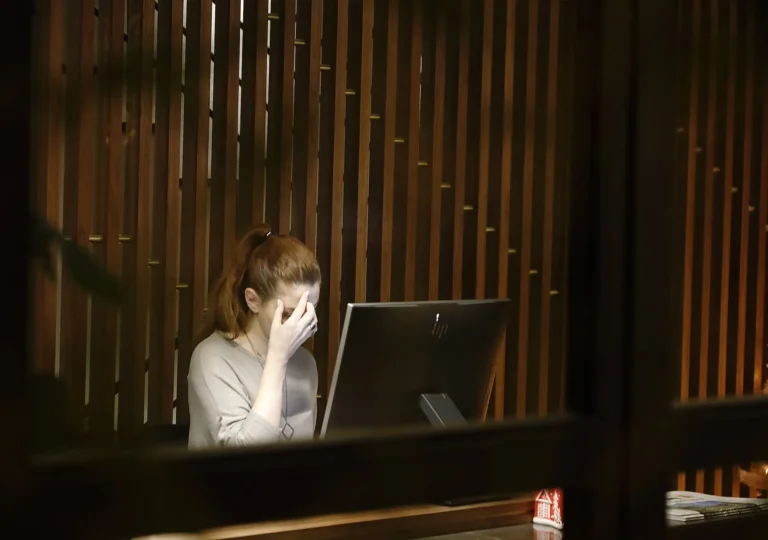
Exhausted woman holding forehead in front of a computer screen showcasing digital overload and autonomic nervous system stress.
Blog

Beyond the Burnout Culture: The Deep Biological Cost of Living Overstimulated

In a world of constant notifications, background noise, packed schedules, bright screens, and endless information, many people are not just tired; they are overstimulated. Overstimulation happens when the brain and body take in more input than they can comfortably process. This can leave someone feeling irritable, anxious, foggy, drained, restless,

Read More »
Skip to content