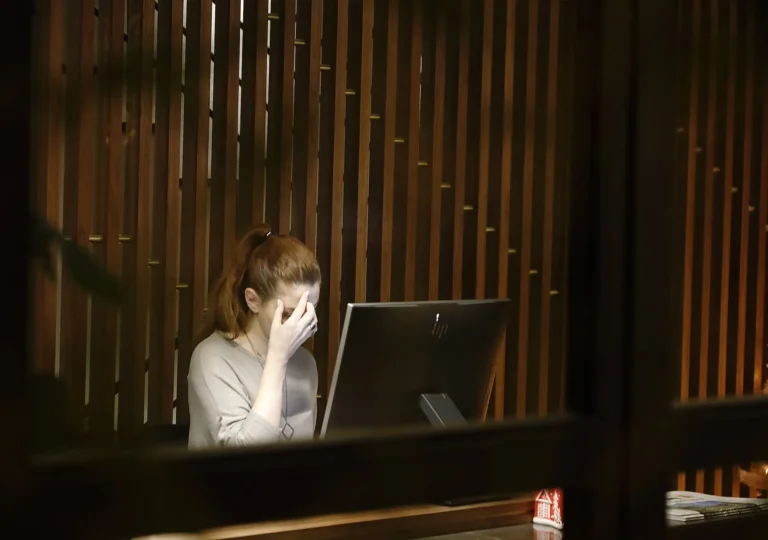
In a world of constant notifications, background noise, packed schedules, bright screens, and endless information, many people are not just tired; they are overstimulated.
Overstimulation happens when the brain and body take in more input than they can comfortably process. This can leave someone feeling irritable, anxious, foggy, drained, restless, or physically tense, even if nothing “major” has happened.
Overstimulation is not a sign of weakness. It is often a sign that the nervous system has been asked to stay alert for too long without enough time to recover.
What Is Overstimulation?
Overstimulation occurs when sensory, emotional, social, or digital input exceeds the brain’s ability to filter and respond efficiently. This can come from loud environments, crowded spaces, multitasking, constant phone use, emotional stress, bright lights, or too much time spent switching between screens and responsibilities.
Research on sensory processing suggests that some individuals are more sensitive to environmental input and may experience stronger emotional and physiological reactions when stimulation becomes overwhelming. A 2025 study on sensory processing sensitivity and overstimulation found that overstimulation in daily life may interfere with emotion regulation and contribute to fatigue, especially in people who are highly sensitive to sensory input.

Photo by Theo Laflamme on Unsplash
Why High-Performance Professionals in USA Cannot Solve Brain Fog with Caffeine
The brain is constantly sorting information. It has to decide what deserves attention, what can be ignored, and how to respond. When there is too much input at once, the brain has to work harder to filter distractions and organize information.
This is one reason overstimulation can feel like brain fog. You may find it harder to focus, remember details, make decisions, or stay emotionally regulated. This does not necessarily mean you are unmotivated or lazy. It may mean your cognitive system is overloaded.
A large review on information overload explains that the growing use of digital communication technologies has made overload increasingly common, especially in work and daily life. When too much information comes in too quickly, it can reduce performance, increase stress, and make decision-making more difficult.
The High Cost of Hyper-Efficiency: Media Multitasking and Synaptic Strain
Overstimulation is often made worse by multitasking. Many people move between texts, emails, social media, schoolwork, work tasks, conversations, and background noise without realizing how much energy this takes.
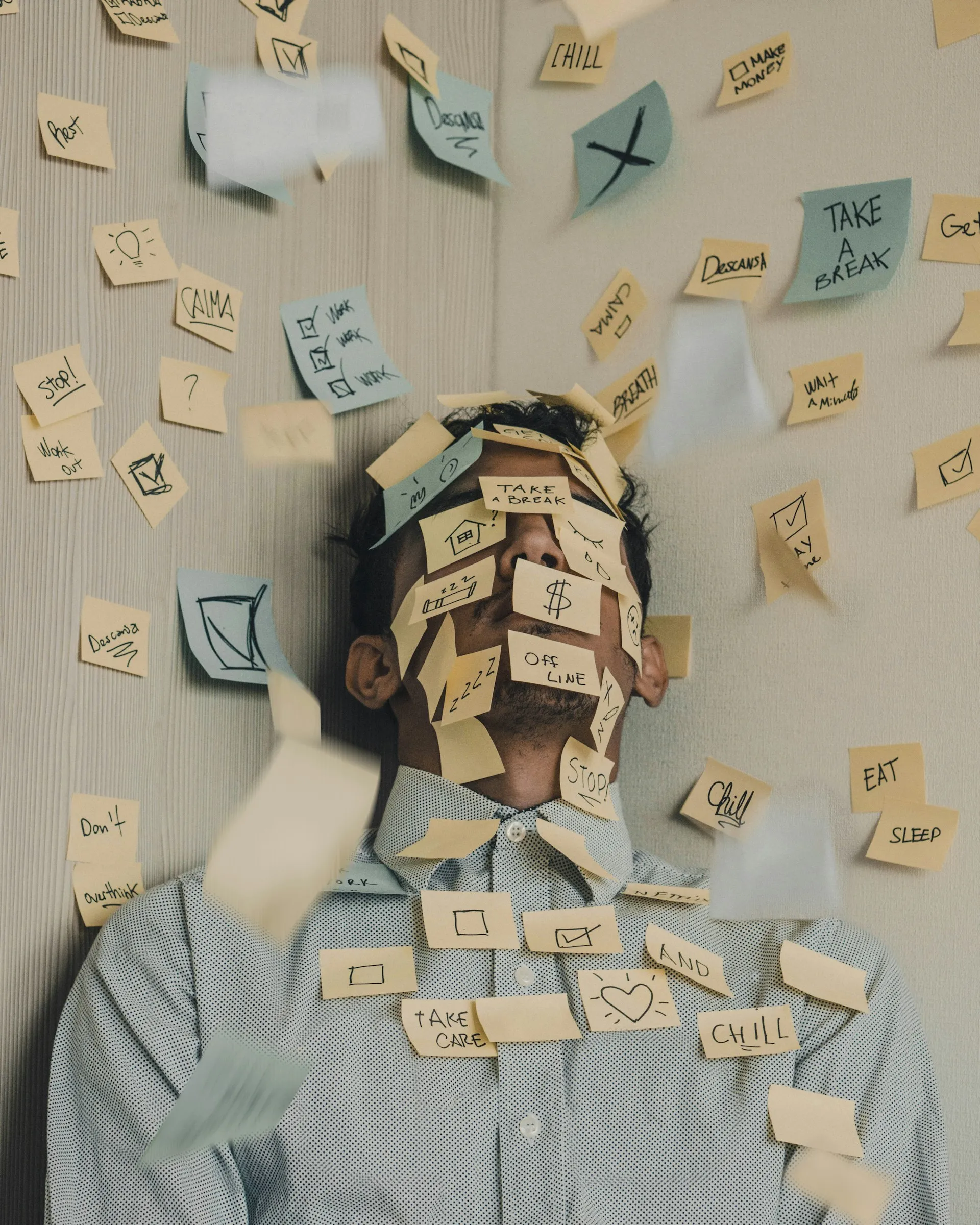
Photo by Luis Villasmil on Unsplash
Even when multitasking feels productive, the brain is often rapidly switching attention from one thing to another. This constant switching can increase cognitive load, making it harder to stay focused and calm. Research on media multitasking has linked heavier multitasking with difficulties in attention, impulse control, and behavioral inhibition.
The Somatic Echo: How Overstimulation Shifts the Autonomic Baseline
Overstimulation does not only affect the mind. The body can respond as if it is under stress.
When the nervous system perceives too much input, it may increase alertness through the autonomic nervous system. This system helps regulate heart rate, breathing, digestion, muscle tension, and the balance between “fight-or-flight” and “rest-and-digest” states.
This is why overstimulation can show up physically as:
- tension in the jaw, shoulders, or neck
- Headaches
- digestive discomfort
- faster breathing
- Restlessness
- Fatigue
- difficulty sleeping
- feeling “wired but tired”
- irritability or emotional sensitivity
A review on autonomic nervous system stress responses argues that stress involves complex interactions between the sympathetic nervous system, parasympathetic nervous system, and hormonal stress pathways. In simple terms, when the body is repeatedly pushed into alert mode, it may struggle to return to a calm baseline.
Wired But Tired: When a Strained Nervous System Mimics Chronic Anxiety
Overstimulation and anxiety can feel very similar because both involve heightened arousal. When the nervous system is overloaded, the body may become more alert, tense, and reactive. This can make small things feel harder to handle.
A crowded grocery store, several unread messages, a loud room, or a long to-do list may feel disproportionately overwhelming when the nervous system is already strained. The issue is not always the situation itself. Sometimes it is too much input for too little recovery.
This can create a cycle: the brain feels overwhelmed, the body becomes more tense, and the tension makes it harder to think clearly. Over time, this can contribute to emotional exhaustion.
Countering Modern Digital Overload: Holistic Practices Serving Affluent USA Communities
Screens are not inherently harmful, but constant digital stimulation can make it harder for the brain and body to rest. Social media, notifications, scrolling, and rapid content changes can keep attention activated for long periods of time.
A systematic review on screen time and adolescent mental health found associations between higher screen use and mental health concerns, including depressive symptoms and anxiety-related outcomes. While screen time is not the only factor, the review highlights that digital exposure can be one part of a larger pattern affecting mental well-being.
Screen use can also affect sleep. Evening screen time, constant stimulation, and late-night scrolling may make it harder for the brain to wind down. Poor sleep then lowers the brain’s ability to regulate attention and emotions the next day, making overstimulation more likely.
The Passive Rest Illusion: Why Scrolling Isn’t Decompressing Your Cells
One frustrating part of overstimulation is that rest does not always feel restorative right away. Someone may lie down, scroll on their phone, watch TV, or try to relax, but still feel tense or drained.
This can happen because not all rest reduces stimulation. Some activities feel like rest because they do not require much movement, but they still give the brain a lot to process. Scrolling, multitasking, and consuming rapid digital content may keep the nervous system activated, even while the body is sitting still.
True recovery often requires lowering input, not just stopping work.
Reclaiming Autonomic Safety: Moving from Symptom Mitigation to True Cellular Reset
The goal is not to avoid all stimulation. Stimulation is part of life, and some of it is enjoyable. The goal is to notice when the brain and body have had too much and to create small moments of recovery.
Helpful strategies may include:
- taking short breaks without replacing work with scrolling
- turning off unnecessary notifications
- spending a few minutes in silence
- stepping outside without headphones
- doing one task at a time when possible
- dimming lights in the evening
- creating a screen-free wind-down period before bed
- using slow breathing to signal safety to the body
- reducing background noise when focusing
- giving yourself transition time after social or busy environments
Even small changes can help. A few quiet minutes between tasks, a walk without stimulation, or a night routine with less screen exposure can give the nervous system a chance to reset.

Photo by Julian Bock on Unsplash
Final Thoughts
Overstimulation is more than just feeling annoyed or tired. It reflects the relationship between the brain, body, environment, and nervous system. When too much information, noise, pressure, and stimulation build up, the body may respond with stress, fatigue, anxiety, brain fog, or emotional sensitivity.
The solution is not always to do more. Sometimes the most restorative choice is to create less noise for the body to process.
By learning to recognize signs of overstimulation, we can become more intentional about rest, boundaries, and recovery. In a world that constantly asks for our attention, protecting the nervous system is not laziness; it is maintenance.
Further reading
- Digitalization as a new environmental exposure factor: the impact of information overload on human nervous and immune system functions
- Overstimulation and its consequences as a new challenge for global healthcare in a socioeconomic context
- The Chemistry Teaching Laboratory: A Sensory Overload Vortex for Students and Instructors?
- Effects of immersive virtual reality on sensory overload in a random sample of critically ill patients
Disclaimer:
This information is for educational purposes only and does not constitute professional medical advice. Always consult a healthcare professional before incorporating any new therapy into your practice. Thera Wellness is a wellness technology and is not intended to diagnose, treat, cure, mitigate, or prevent disease or any condition.
Do you want to see all the updates?
👉 Follow us on Instagram and Facebook and never miss a thing!