Vagus, Sleep & Stress: Non-invasive Auricular VNS (taVNS) Protocols that Play Nice with Biofield
What is taVNS, and how is it different from implantable VNS?
Transcutaneous auricular vagus nerve stimulation (taVNS) delivers low-level electrical pulses to vagal afferents in the outer ear (typically the cymba conchae or tragus) using an ear clip or skin electrode.
It’s non-surgical and distinct from implantable VNS, which requires a chest implant with a neck lead. taVNS has been explored for sleep, stress, pain, epilepsy, tinnitus, and more, with safety generally favorable in trials and systematic reviews. PMCNature
What does the newest evidence say about insomnia and sleep quality?
A randomized clinical trial (JAMA Network Open, 2024) found that 8 weeks of taVNS reduced insomnia severity and improved global sleep quality (PSQI) compared with sham; benefits persisted through 20 weeks of follow-up.
This study adds higher-quality evidence to the sleep conversation, though larger multicenter trials are still needed. JAMA NetworkPubMedPMC
Narrative and scoping reviews from 2024–2025 summarize plausible sleep mechanisms (autonomic balance, limbic/cortical network modulation, anti-inflammatory signaling), while emphasizing protocol heterogeneity and the need for standardized parameters. PMC+1
Mechanisms in plain English: why might taVNS help stress and sleep?
- Autonomic recalibration: Stimulating auricular vagal fibers can increase parasympathetic activity (vagal tone) and dampen sympathetic arousal; one pathway to calmer pre-sleep states. PMC
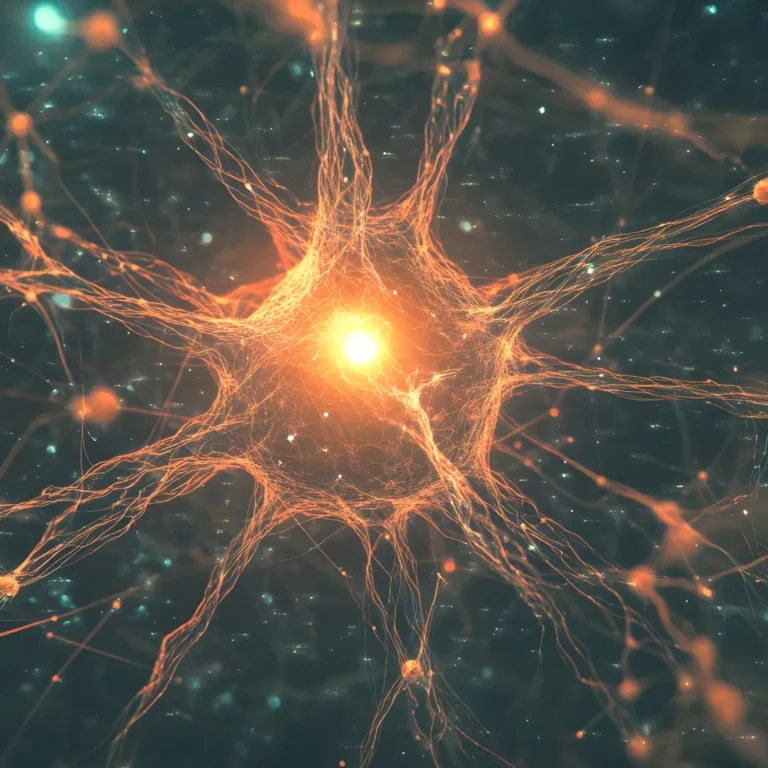
- CNS network effects: Human imaging shows taVNS can influence brain regions linked to arousal, mood, and interoception (e.g., locus coeruleus–noradrenergic signaling); parameter-dependent modulation of HRV and pupillary responses has been observed. ScienceDirect
- Inflammation & neuromodulators: Reviews highlight cholinergic anti-inflammatory signaling and shifts in neurotransmitter/hormone axes as potential contributors, though clinical links still need stronger trials. MDPI
What are typical stimulation parameters used in studies?
There’s no single “gold standard,” but many sleep/stress trials and HR/HRV experiments land in these ranges:
- Site: cymba conchae or tragus (innervation differs; many studies favor cymba conchae for richer auricular vagal input). Taylor & Francis Online
- Frequency & pulse width: common bands include ~20–25 Hz at 100–500 μs pulse width; some experiments test shorter widths and higher frequencies (e.g., 300 Hz, 50 μs). Comfort-threshold titration is typical. PMCOxford AcademicBioRxiv
- Session length & schedule: often 15–30 minutes per session, several times per week (sleep trials ~8 weeks). Exact dosing varies by condition and device; results should not be generalized across protocols. JAMA Network
Practical note for wellness operators: emphasize comfort-based titration and avoid “more is better.” Parameter choice is study-specific; do not claim medical treatment effects in non-medical settings. Taylor & Francis Online
Safety snapshot, what’s known (and unknown)?
- General tolerability: Systematic reviews report mostly mild, transient AEs (skin irritation, tingling, ear discomfort); serious adverse events are rare in published taVNS studies to date. Nature
- Cautions & exclusions (common sense): cardiac arrhythmias, implanted cardiac devices, active skin/ear infections or wounds at the electrode site, seizure disorders without medical oversight, pregnancy (insufficient data)—screen and refer to medical professionals as appropriate. (Implantable VNS has broader labeling; do not conflate with taVNS.) ScienceDirect+1
Always present taVNS in wellness contexts as non-medical stress/sleep support and encourage clients to consult their clinicians, especially if they have medical conditions or devices.
Where Biofield Technology fits (and why pairing can help)
taVNS can down-shift arousal; Thera’s Biofield Technology can help that calm “stick.” In practice:
- Before taVNS: a 2–5 minute biofield “ANS regulation”/“stress” program to stabilize pre-session state (non-medical).
- After taVNS (evening stacks): a 10–15 minute “sleep support” biofield session to reinforce the parasympathetic shift—consistent with evidence that lower noradrenergic arousal benefits sleep-linked CSF/brain “clearance” dynamics. PMC
Framing: Biofield = calming adjunct for self-regulation. No diagnosis/treatment claims.

Two practical evening stacks for clinics & wellness centers
A) “Wind-Down Lite” (20–25 minutes, non-medical)
- Lights low + screens dim (5 min)
- Breath 4-in / 6-out (3 min)
- taVNS (10–15 min, comfort-titrated; cymba conchae or tragus per device) Taylor & Francis Online
- Biofield “Sleep support” (5 min) — then off to bed
B) “Stress-to-Sleep” (30–40 minutes, non-medical)
- Gentle mobility + jaw/neck release (5 min)
- Biofield “ANS regulation” (5–10 min)
- taVNS (15–20 min)
- Gratitude journaling + lights out
For fast-turn athlete recovery: Between sessions or events
- Goal: reduce sympathetic spillover without dulling performance the next day.
- Mini-stack (15–20 min): 5 min breath + taVNS 8–12 min (comfort-titrated) + Biofield “ANS regulation” 3–5 min. Pair with fuel/fluids and, where appropriate, compression. Evidence for HRV-guided load and recovery supports using such parasympathetic resets on “yellow” readiness days. PMC+1
Clinic & operator checklist (clip-and-use)
- Screening & consent: basic health check, device/implant questions, ear skin check; explain non-medical intent. Nature
- Site & fit: choose cymba conchae or tragus per device; ensure stable contact without pain. Taylor & Francis Online
- Parameter discipline: start conservative; titrate to perceptible but comfortable. Log frequency, pulse width, amplitude, duration. PMCOxford Academic
- Stack design: pair with light hygiene, breathwork, and a brief biofield session pre/post.
- Outcome tracking: weekly PSQI or insomnia severity scale, simple PROMs (stress, sleep onset latency), and—if available—HRV trends. JAMA Network
- Escalation: adverse symptoms, persistent insomnia, or mood decline → refer to licensed clinicians.
FAQ
Is taVNS evidence-based for insomnia?
A 2024 RCT showed taVNS improved insomnia severity and PSQI vs. sham over 8 weeks, with effects sustained to 20 weeks; larger multicenter trials are still needed. JAMA Network
Which ear site is best—tragus or cymba conchae?
Both are used; many protocols favor the cymba conchae for robust auricular vagus innervation, but device design and comfort matter. Taylor & Francis Online
What parameters should I use?
Studies commonly use ~20–25 Hz with 100–500 μs pulse width and comfort-titrated intensity for 10–30 min per session. Research is heterogeneous—start conservative, keep records, and avoid medical claims. PMCOxford Academic
Is taVNS safe?
Systematic reviews suggest good tolerability with mostly mild, transient side effects; screen for cardiac issues, implants, skin problems, and refer to clinicians where appropriate. Nature
How does Biofield Technology help here?
Use biofield sessions as a calming add-on (pre/post taVNS) to reinforce parasympathetic tone and smoother sleep transitions—non-medical support for self-regulation. (Mechanistic tie-in: lower noradrenergic arousal fosters deeper sleep rhythms.) PMC
References
- Zhang S. et al. JAMA Network Open (2024): RCT—taVNS reduced insomnia severity and improved PSQI vs. sham; effects maintained to 20 weeks. JAMA NetworkPubMedPMC
- Förster CY. et al. (2024) Review: Non-invasive VNS mechanisms & applications across cardiovascular, mental, autoimmune contexts. PMC
- Gerges ANH. et al. (2024) Review: Therapeutic use of taVNS, parameter ranges, sham and safety considerations. Taylor & Francis Online
- Austelle CW. et al. (2023): HR/HRV effects at 25 Hz, 500 μs; parameter notes for autonomic response. PMC
- Bottari SA. et al. (2025) Sleep: Parameter optimization analysis—evidence pointing toward ~20 Hz, ~100 μs at ~80% discomfort threshold (context-dependent). Oxford Academic
- Kim AY. et al. (2022) Sci Rep: Systematic review & meta-analysis—taVNS safety; mostly mild, transient AEs; rare serious events. Nature
- D’Agostini M. et al. (2023): Parameter-dependent noradrenergic markers (pupillometry) during taVNS. ScienceDirect
- Compression & recovery context (for athlete stack): 2025 meta-analysis shows compression can blunt post-fatigue strength loss (effect sizes vary). PMC
Disclaimer:
This information is for educational purposes only and does not constitute professional medical advice. Always consult a healthcare professional before incorporating any new therapy into your practice.
Do you want to see all the updates?
👉 Follow us on Instagram and Facebook and never miss a thing!