HRV-Guided Recovery: A Practical Playbook for Practitioners & Fast-Turn Athlete Care
What does HRV actually tell us about recovery, and how can we apply it to HRV-guided training?
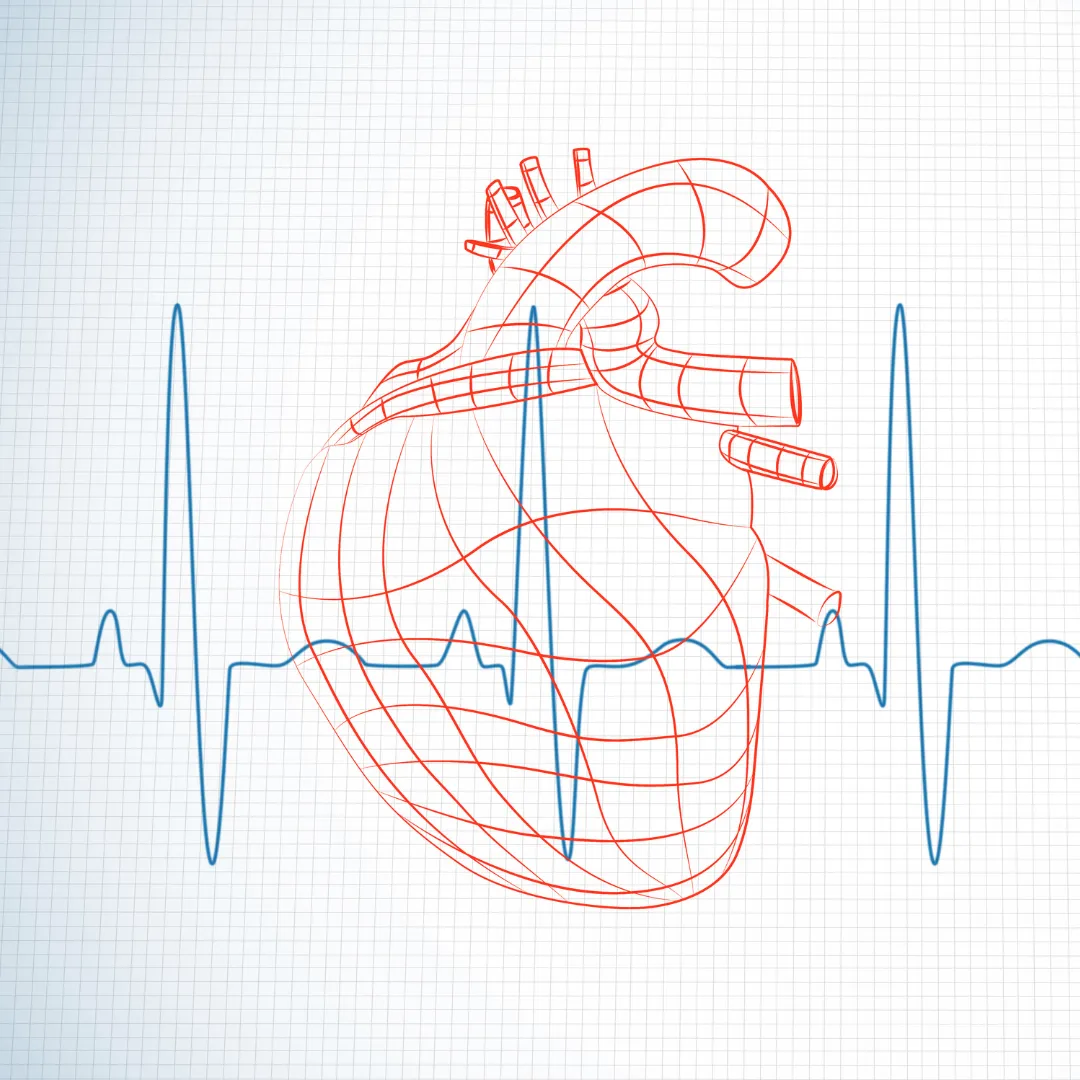
Heart-rate variability (HRV) reflects beat-to-beat changes in R-R intervals and the balance of autonomic input to the heart.
In athletes, day-to-day shifts in vagal-derived indices (e.g., rMSSD and its log, lnRMSSD) track adaptation and accumulated stress: rising trends generally accompany positive adaptation; persistent drops can flag excessive load or inadequate recovery.
Reviews in sport settings and elite cohorts support its utility as a non-invasive, daily monitor—with caveats about context and individual baselines. PubMed
Overreaching/overtraining risk: reduced HRV on waking (even when sleep HRV looks similar) has been observed in overtrained athletes, consistent with elevated sympathetic tone. Use waking readings for load management, not just in-sleep metrics. PMC
Does HRV-guided programming outperform fixed plans?
Short answer: often, yes, modestly, and especially for endurance.
A systematic review/meta-analysis found HRV-guided training yields greater gains in aerobic fitness/performance than predefined plans, by enabling day-to-day adjustments around the athlete’s readiness.
Effect sizes are typically small but positive (e.g., VO₂max gains), and benefits vary with level and sex. PMC+1
Randomized and cluster-randomized trials in professional runners report improved performance when sessions are modulated from daily HRV vs. fixed programming, reinforcing the feasibility of HRV-guided decision rules at the pro level. ScienceDirect
Strength & conditioning: HRV is increasingly applied to guide high-intensity and resistance microcycles, where rolling averages can improve signal vs. single-day values; evidence is promising but more heterogeneous than in endurance. PMCResearchGate
Measurement that actually works in the real world
- Timing: 1st thing after waking, supine, breathing normally.
- Metric: lnRMSSD (parasympathetic-sensitive, robust to breathing).
- Duration: ~60-second ultra-short recordings show strong agreement with 5-minute standards for lnRMSSD; <60 s reduces agreement. PMC+1
- Smoothing: Use a 7-day rolling average (and coefficient of variation) to reduce day-to-day noise; elite case work demonstrates its value for spotting non-functional overreaching. Martin BuchheitResearchGate
Context flags: acute illness, alcohol, sleep loss, travel, heat, menstrual phase, and device changes can all alter HRV; log them alongside training load.
The Green / Yellow / Red model (with session menus)
Define baselines from the last 2–4 weeks of stable training. Set decision bands with a smallest worthwhile change (SWC) around the athlete’s lnRMSSD rolling average, plus subjective fatigue.
GREEN (readiness ↑: lnRMSSD within/above band; low fatigue)
- Endurance: VO₂ or race-pace intervals; long quality aerobic.
- Strength/HIIT: main lift + velocity work/quality sprints.
- Support: short breath cue pre-session; normal recovery.
YELLOW (borderline: lnRMSSD near lower band; moderate fatigue)
- Endurance: tempo/threshold light, skills, low-impact aerobic.
- Strength/HIIT: technique work, submax volume, mobility.
- Support: extend warm-up; add a 3–5 min down-shift after.
RED (readiness ↓: lnRMSSD below band; high fatigue/illness signs)
- Endurance: OFF or easy spin/walk; mobility.
- Strength/HIIT: OFF or light accessories only.
- Support: emphasize sleep, hydration, and parasympathetic resets.
Evidence synthesis supports this adaptive approach over fixed plans in endurance; in strength settings, use it as decision support rather than a strict algorithm. PMC+1

Rapid protocols for quick-turn athlete recovery (same-day or next-day)
Between events (60–90 min window):
- Fuel + fluids (carb + sodium targets).
- Compression 20–30 min (if available) to reduce perceived soreness; effect sizes vary but can blunt immediate strength loss after fatiguing work. ResearchGate
- 5–10 min low-intensity spin/walk + nasal breathing (exhale>inhale).
- 2–10 min autonomic down-shift (see Biofield pairing below).
Evening before next session: warm shower, light mobility, early dinner, screen dim 60 min pre-bed to protect HRV.
Where Biofield Technology fits (non-medical adjunct)
Once you’ve matched session intensity to readiness, stabilize the nervous system so recovery sticks.
Thera Wellness’s 5-in-1 Biofield Technology uses a closed-loop process to read energetic patterns and feed back a gentle, tailored signal via a modulation mat, aimed at autonomic down-shift, stress reduction, and sleep support as a wellness tool (non-medical; FCC/ICES certified).
Best practice is to pair short sessions with HRV-guided decisions:
- Pre-green session (2–3 min): centering cue to reduce pre-event jitters.
- Post-yellow session (5–10 min): ANS regulation to curb sympathetic spillover.
- Red-day evening (10–20 min): Sleep support to restore next-day readiness.
This complements the literature linking better sleep and lower sympathetic load to improved HRV trends. PMC
Thera Wellness is a non-medical wellness technology; it does not diagnose, treat, cure, or prevent disease. Coordinate with licensed clinicians for medical care.
Clinician & Operator Checklist (clip-and-use)
- Standardize HRV: same time (AM), posture (supine), device, and duration (~60 s lnRMSSD). PMC
- Baseline & bands: compute 7-day rolling lnRMSSD + SWC; add RPE/fatigue. Martin Buchheit
- Decision sheet: Green / Yellow / Red menus posted for coaches & staff.
- Recovery stack: fuel, fluids, sleep plan, and a brief down-shift ritual (breath + biofield).
- Red-flag policy: illness, injury, or persistent HRV suppression → clinician review.
- Outcome tracking: weekly readiness, session RPE, simple PROMs (sleep quality, soreness, mood).
A 7-Day HRV → Action Map (team or clinic)
Day 1–2: Establish routine (AM lnRMSSD, 60 s). Log sleep, load, alcohol/illness. PMC
Day 3: Compute 3-day average; set provisional Green/Yellow/Red.
Day 4: Trial decisions (adjust intensity by color); note perceived performance.
Day 5: Add post-session down-shift on Yellow days (breath + 5–10 min biofield).
Day 6: If below band (Red), cut load; prioritize sleep; evening biofield.
Day 7: Review: update SWC/thresholds; keep what improved readiness and mood.
Common pitfalls (and easy fixes)
- Chasing single numbers. Trend & context trump one-offs. ResearchGate
- Recording drift. Changing posture, time, or app undermines comparability—standardize. PMC
- Ignoring sleep/light. Morning daylight and earlier dinners move HRV the right way—protect them. ResearchGate
- Algorithm absolutism. In strength/HIIT blocks, pair HRV with RPE, bar velocity, and wellness scores. PMC
FAQ
Which HRV metric should I use?
For day-to-day readiness, lnRMSSD is the go-to: short, reliable, vagal-sensitive, and less breathing-dependent. Frontiers
Is a 60-second reading really enough?
For lnRMSSD on waking, ~60 s of data show strong agreement with 5-minute recordings; shorter segments reduce agreement. PMC
Does HRV-guided training “work”?
Meta-analyses suggest small but meaningful performance benefits over fixed plans in endurance athletes; apply with context in strength settings. PMC+1
What if HRV is low, but I feel great?
Use the whole picture: rolling averages, symptoms, RPE, and performance. One low value isn’t destiny; watch trends. ResearchGate
Can biofield sessions raise HRV?
They’re best framed as calming adjuncts to reduce arousal and improve sleep factors that support healthier HRV trends. Evidence on direct causal changes needs more study. PMC
References (selection)
- Manresa-Rocamora A. et al. Systematic review & meta-analysis: HRV-guided training enhances aerobic performance vs. predefined plans. PMCPubMed
- Granero-Gallegos A. Meta-analysis: small positive effect of HRV-guided plans on VO₂max. PMC
- Carrasco-Poyatos M. Cluster-RCT in professional runners: HRV-guided vs. traditional programming. ScienceDirect
- Plews D. et al. Elite monitoring: daily lnRMSSD rolling averages & early overreaching signals. Martin BuchheitResearchGate
- Esco M. et al.; Sherman S. et al. Ultra-short HRV: ~60-s lnRMSSD acceptable vs. 5-min standards; waking vs. later-day agreement. PMC+1
- Addleman J.S. Narrative review: HRV in strength & conditioning—applications and limits. PMC
- Kreher J.B. Overtraining guide: reduced waking HRV in overtrained athletes; sympathetic tilt. PMC
- Meta/position sources on HRV, training, and recovery context. Frontiers
Disclaimer:
This information is for educational purposes only and does not constitute professional medical advice. Always consult a healthcare professional before incorporating any new therapy into your practice.
Do you want to see all the updates?
👉 Follow us on Instagram and Facebook and never miss a thing!