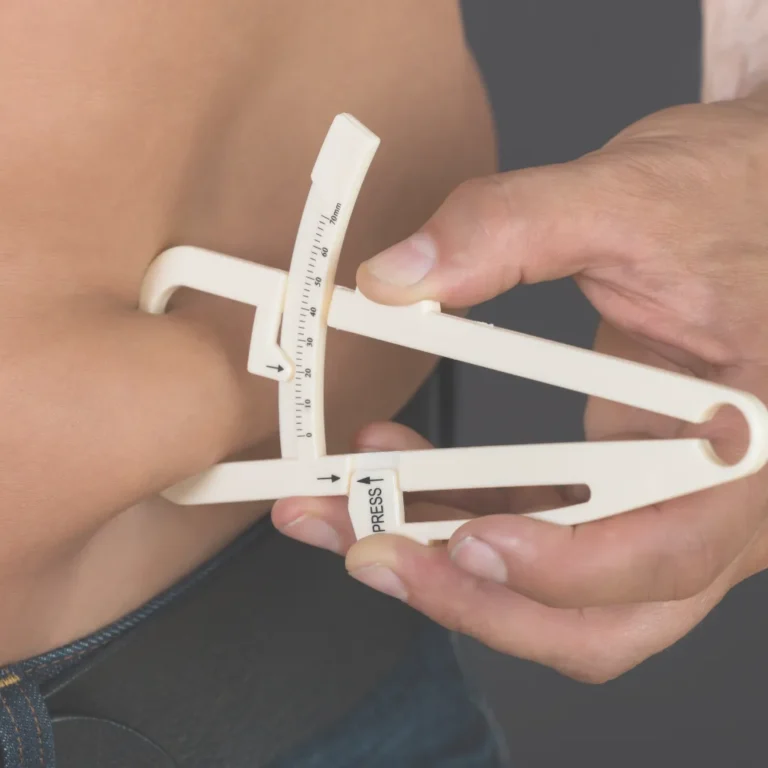
Body Fat Percentage: Why Lower Isn’t Necessarily Better for Health
Striving for a low body fat percentage has become a dominant goal in modern wellness culture. . From DEXA scans to fitness trackers, lower numbers are often equated with better health, improved performance, and metabolic superiority.
However, peer-reviewed research consistently shows that body fat is a metabolically active endocrine tissue, and reducing it below an individual’s physiological threshold can disrupt hormonal balance, immune function, and nervous system regulation.
So let’s talk about it! Rather than being a simple marker of excess, body fat plays a central regulatory role in human health.
Adipose Tissue Is an Endocrine Organ
Adipose tissue secretes a range of biologically active molecules known as adipokines, including leptin, adiponectin, resistin, and inflammatory cytokines. These signals influence appetite regulation, insulin sensitivity, reproductive function, immune activity, and energy metabolism.
Leptin, in particular, serves as a key energy-availability signal to the hypothalamus. When body fat drops too low, circulating leptin levels fall, triggering neuroendocrine adaptations that prioritize survival over reproduction, growth, and long-term repair.

Essential Fat vs. Storage Fat
Body fat is commonly divided into:
Essential fat: Required for normal physiological function; found in bone marrow, organs, the nervous system, and cell membranes
Storage fat: Subcutaneous and visceral fat that supports energy buffering and endocrine signaling
Commonly cited healthy ranges:
- Women: ~25–31%
- Men: ~18–24%
Approaching essential fat levels may be temporarily tolerated in elite athletic contexts, but maintaining these levels chronically is associated with significant physiological cost.
Hormonal Consequences of Very Low Body Fat
Reproductive and Sex Hormones
Low body fat is strongly associated with hypothalamic suppression of gonadotropin-releasing hormone (GnRH). In women, this often presents as functional hypothalamic amenorrhea, characterized by low estrogen, menstrual disruption, and reduced bone mineral density.
In men, insufficient fat mass has been linked to reduced testosterone levels, impaired spermatogenesis, and decreased anabolic signaling.

Thyroid and Metabolic Adaptation
Chronic leanness is associated with reductions in triiodothyronine (T3), reflecting a downregulation of metabolic rate in response to perceived energy scarcity. This metabolic adaptation can persist even after caloric intake normalizes.
Nervous System and Stress Physiology
From a neurophysiological perspective, very low body fat can act as a chronic stress signal. Reduced energy availability elevates cortisol output and sympathetic nervous system activity, shifting the body toward a survival-oriented state.
This has direct implications for practitioners working with:
- Biofeedback
- PEMF
- Microcurrent
- frequency-based or neuromodulatory therapies
A system under metabolic stress may demonstrate reduced adaptability, slower recovery, and diminished parasympathetic tone, limiting therapeutic responsiveness.
Immune Function and Resilience
Both excess and insufficient adipose tissue are associated with immune dysregulation. Low fat mass has been linked to impaired cytokine signaling, reduced immune cell proliferation, and increased susceptibility to infection, particularly under conditions of physical or psychological stress.
This challenges the simplistic framing of leanness as universally anti-inflammatory or protective.
Measurement Limitations: Context Matters
While tools such as DEXA and bioelectrical impedance analysis (BIA) provide useful estimates, body fat percentage alone is insufficient for assessing health.
Clinical interpretation must consider:
- energy availability
- hormonal status
- training load
- sleep and stress
- subjective symptoms (fatigue, cold intolerance, mood changes)
As Wells (2012) notes, body composition exists within a broader ecological and adaptive framework, not as an isolated variable.
Reframing Optimal Body Fat Percentage
Rather than asking “How low can body fat go?”, a more clinically meaningful question is:
“At what level does this individual maintain hormonal stability, metabolic flexibility, immune resilience, and nervous system regulation?”
For many people, that level is moderate rather than minimal.
In functional and integrative care models, body composition should support:
- recovery capacity
- endocrine balance
- emotional regulation
- long-term metabolic health
not just visual leanness.
Lower body fat is not inherently better. Below a physiological threshold, reduced fat mass becomes a biological stressor, triggering adaptive responses that compromise long-term health. Sustainable wellness emerges from balance, not depletion.
Further reading
Body Fat Percentage Should Not Be Confused With Lifestyle Behaviors
Relationship Among Body Fat Percentage, Body Mass Index, and All-Cause Mortality
Healthy percentage body fat ranges: an approach for developing guidelines based on body mass index
The Fat but Fit paradox: what we know and don’t know about it Free
Disclaimer:
This information is for educational purposes only and does not constitute professional medical advice. Always consult a healthcare professional before incorporating any new therapy into your practice.
Do you want to see all the updates?
👉 Follow us on Instagram and Facebook and never miss a thing!