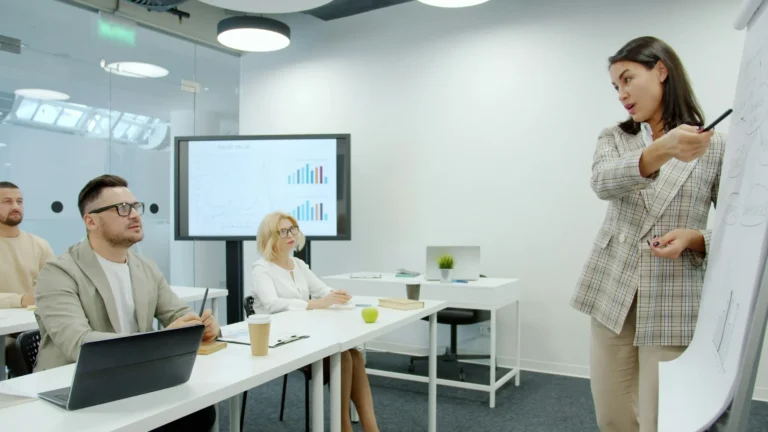
A racing heart, quicker breathing, tense muscles, and a surge of energy can appear before both an exciting opportunity and an overwhelming experience. The body’s initial response may be remarkably similar. Yet one day these sensations might feel energizing, while another day they seem like evidence that everything is becoming too much.
Why does the same type of stress not always feel the same?
One explanation comes from the Biopsychosocial Model of Challenge and Threat. According to this framework, the stress response is shaped not only by what is happening, but also by how the brain compares the demands of the situation to the resources available to manage it.
The Difference Between a Challenge and a Threat
When facing a serious or demanding situation, the brain rapidly evaluates two broad questions:

Photo by Md Selim Reza on Unsplash
- What does this situation require from me?
- Do I have enough resources to handle it?
Resources can include knowledge, experience, preparation, time, physical energy, confidence, control, coping skills, and support from other people.
A challenge state is more likely when the available resources appear sufficient for the demands. The situation may still feel difficult, but it also feels manageable or potentially rewarding.
A threat state is more likely when the demands seem greater than the available resources. Instead of seeing a path through the situation, the person may anticipate failure, harm, embarrassment, loss, or an inability to cope.
This means that challenge and threat are not determined entirely by the event itself. Giving a presentation may feel exciting when someone is prepared, rested, and confident. The same presentation may feel overwhelming when that person is exhausted, underprepared, or already managing several other stressors.
The Body Responds Differently, Too
Both challenge and threat can activate the sympathetic nervous system. Heart rate may increase, breathing may accelerate, and energy becomes available for action; a challenge state is not necessarily calm.
The difference may lie partly in how the cardiovascular system organizes that activation. Research commonly associates challenge states with greater cardiac output and lower blood-vessel resistance, supporting the delivery of oxygenated blood throughout the body. Threat states are more often associated with comparatively greater vascular resistance and less efficient cardiovascular activation.
In a classic experiment, researchers found that people who evaluated a stressful task as a challenge displayed different cardiovascular responses and performed better than those who evaluated it as a threat. Later experimental work showed that changing people’s perceived coping resources could influence both their challenge–threat response and, in some circumstances, their performance.
These patterns are averages observed across research groups, not a diagnostic test for how any one person is feeling. Challenge and threat can also overlap rather than functioning as perfectly separate states.

Photo by Josh Duke on Unsplash
Why the Balance Can Change From Day to Day
The demands of an event may remain relatively stable while a person’s resources change.
After sufficient sleep, a manageable workload, and time to prepare, the brain may evaluate a difficult task as something it can approach. Following poor sleep, prolonged strain, physical discomfort, or several unexpected problems, the same task may seem much larger.
Sleep is one clear example of how physical state can influence emotional processing. In an experimental brain-imaging study, sleep-deprived participants showed stronger amygdala responses to negative emotional stimuli and weaker functional connectivity between the amygdala and regulatory regions of the prefrontal cortex.
Familiarity also matters. A new experience contains more uncertainty and requires more active problem-solving. With practice, the same activity may begin to feel predictable. In one experiment, participants performing a well-learned task in front of an audience showed a more challenge-like cardiovascular pattern, while those performing an unfamiliar task showed a more threat-like pattern.
The situation did not suddenly become stress-free; the balance between demands and perceived resources had changed.
Anxiety and Excitement Are Closer Than They Seem
Anxiety and excitement are both high-arousal states. Both may involve butterflies in the stomach, a faster heartbeat, alertness, and increased anticipation. Part of the emotional difference may come from the meaning assigned to those sensations.
If a racing heart is interpreted as evidence that something is going wrong, the sensations may intensify a threat appraisal. If it is understood as the body mobilizing energy for an important task, the same arousal may feel more useful.
In experiments involving singing, public speaking, and mathematics, participants who were encouraged to describe their anxiety as excitement reported more excitement, and sometimes performed better, than those instructed to calm down. This does not suggest that serious anxiety can always be changed with a few positive words. It shows that the interpretation of arousal can sometimes influence how it is experienced and used.
Similarly, in another experiment, participants instructed to view stress arousal as functional showed lower vascular resistance, greater cardiac efficiency, and less attention toward negative information during a stressful task. A later randomized field study involving community college students found that a stress-reappraisal intervention reduced threat appraisals and test anxiety while improving some academic and neuroendocrine outcomes.
Supporting a Shift Toward Challenge
The goal is not to label all stress as helpful or force excitement during genuinely unsafe or unmanageable situations. A threat response may contain important information that the demands really are too high.
Instead, the challenge–threat framework suggests two possible ways to change the balance: reduce the demands or strengthen the resources.
This may involve:
- Breaking a large task into smaller, more predictable steps
- Practising before a high-pressure situation
- Asking for information, time, or support
- Protecting sleep and physical recovery
- Drawing on evidence of previous successful experiences
- Identifying which parts of the situation are controllable
- Interpreting temporary arousal as energy the body is making available
Sometimes the most appropriate response is not to change one’s mindset but to rest, set a boundary, leave an unsafe situation, or obtain professional support.

Photo by David Tran on Unsplash
Stress Is a Relationship, Not Just an Event
Stress does not exist only in the situation or only in the mind. It emerges from a changing relationship between the person, the body, the environment, and the resources available at that moment.
That is why the same crowded room, workout, deadline, conversation, or new opportunity can feel energizing one day and overwhelming the next. The event may be similar, but the brain’s calculation has changed.
Understanding this variability can replace self-criticism with curiosity. Instead of asking, “Why can’t I handle this today?” it may be more useful to ask, “What demands feel especially high right now, and what resources might help restore the balance?”
Further Reading
- Rethinking Stress: The Role of Mindsets in Determining the Stress Response
- Something to Gain, Something to Lose: The Cardiovascular Consequences of Outcome Framing
- Evaluating Stress as a Challenge Is Associated With Superior Attentional Control and Motor Skill Performance
- Examining the Antecedents of Challenge and Threat States
- The Effects of Challenge and Threat States on Performance Outcomes: An Updated Review and Meta-Analysis