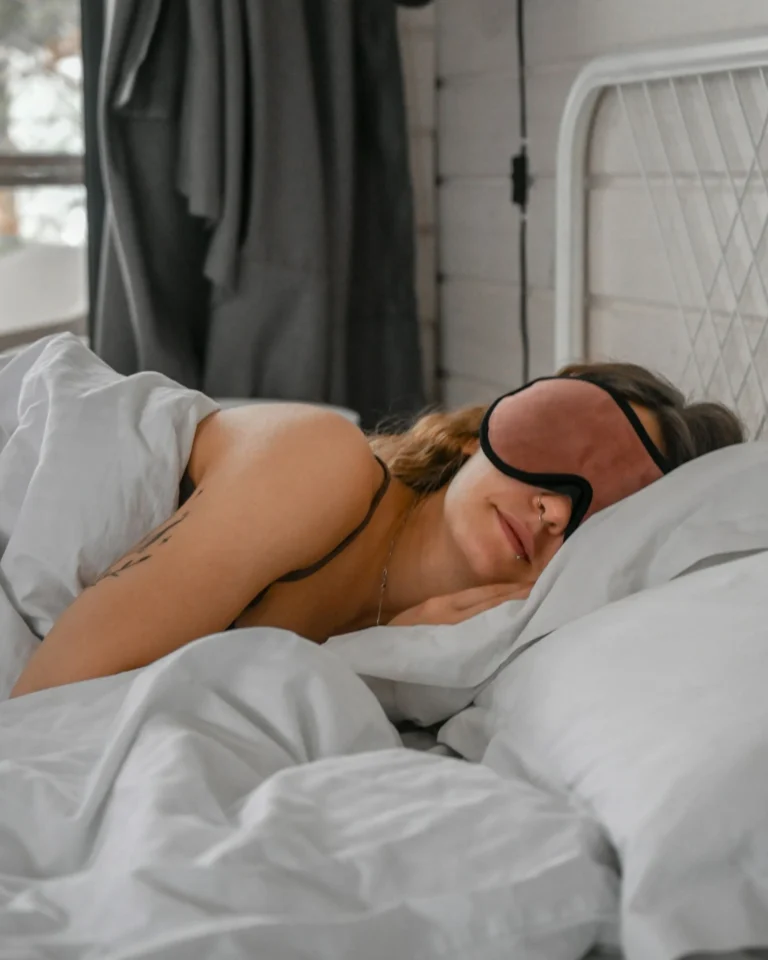
While you sleep, your brain remains busy. Alongside memory and recovery processes, fluid moves through and around brain tissue, helping transport substances produced by everyday cellular activity. Researchers call this fluid-exchange network the glymphatic system. For healthcare practitioners and holistic wellness practitioners, glymphatic research offers a fascinating link between sleep, circulation, and brain health.
What is the glymphatic system?
The glymphatic system describes pathways through which cerebrospinal fluid—the fluid around the brain and spinal cord—exchanges with fluid between brain cells. This exchange helps move dissolved substances away from brain tissue.
The term combines “glial,” referring to the brain’s support cells, with “lymphatic,” reflecting its waste-transport function. In a foundational 2012 mouse study, researchers tracked fluid entering brain tissue along spaces surrounding arteries. They also found that aquaporin-4, a waste-channel protein concentrated on support cells called astrocytes, contributed to fluid exchange and the clearance of soluble amyloid-beta.
Think of it as part of the brain’s maintenance infrastructure, but, the analogy has limits: transport works alongside other clearance processes, and researchers continue to debate exactly how fluid and dissolved molecules move through different brain compartments.

Photo by Alexandr Popadin on Unsplash
What Does Sleep Have to Do With It?
Much of the interest began with a 2013 mouse study. Researchers found that certain substances cleared from the brain more efficiently during sleep. They also observed more space between brain cells during sleep, which could help explain the increase in fluid exchange.
That raised an intriguing question: does something similar happen in people?
In 2019, researchers combined brain imaging with electrical recordings while people slept. They saw coordinated waves of brain activity, changes in blood oxygenation, and cerebrospinal fluid movement during non-rapid eye movement sleep. The sleeping brain showed a distinct fluid rhythm. However, the study only measured fluid movement, not specifically waste removal.
A smaller human study in 2021 took a more direct look at clearance. Using an injected tracer and repeated MRI scans, researchers found that people who stayed awake for an entire night retained more tracer in several brain regions than those allowed to sleep.
The study included seven sleep-deprived participants and 17 controls, so its size limits how broadly we can apply the results. Tracking a tracer also differs from tracking substances naturally produced by the brain. Even so, the findings added evidence that sleep loss can interfere with molecular clearance in humans.

Photo by Jp Valery on Unsplash
The Rhythm of Sleep May Matter, Too
Research is beginning to explain what helps move this fluid.
In a 2025 mouse study, slow fluctuations in norepinephrine—a chemical involved in arousal and attention—coordinated rhythmic changes in blood-vessel diameter during non-rapid eye movement sleep. Those changes helped drive cerebrospinal fluid movement. This suggests that sleep’s internal rhythms may matter alongside the number of hours spent asleep. Translating that finding into advice or treatments for people will require more research.
A 2026 randomized crossover study involving 39 participants added another piece to the human evidence. Researchers compared normal sleep with sleep deprivation using blood measurements, an investigational monitoring device, and mathematical modeling. Their findings supported sleep-associated movement of amyloid-beta and tau from the brain toward the bloodstream. These results help connect sleep physiology with the transport of proteins relevant to Alzheimer’s research. They do not show that increasing glymphatic activity prevents Alzheimer’s disease, and the device-based measurements need further independent validation.
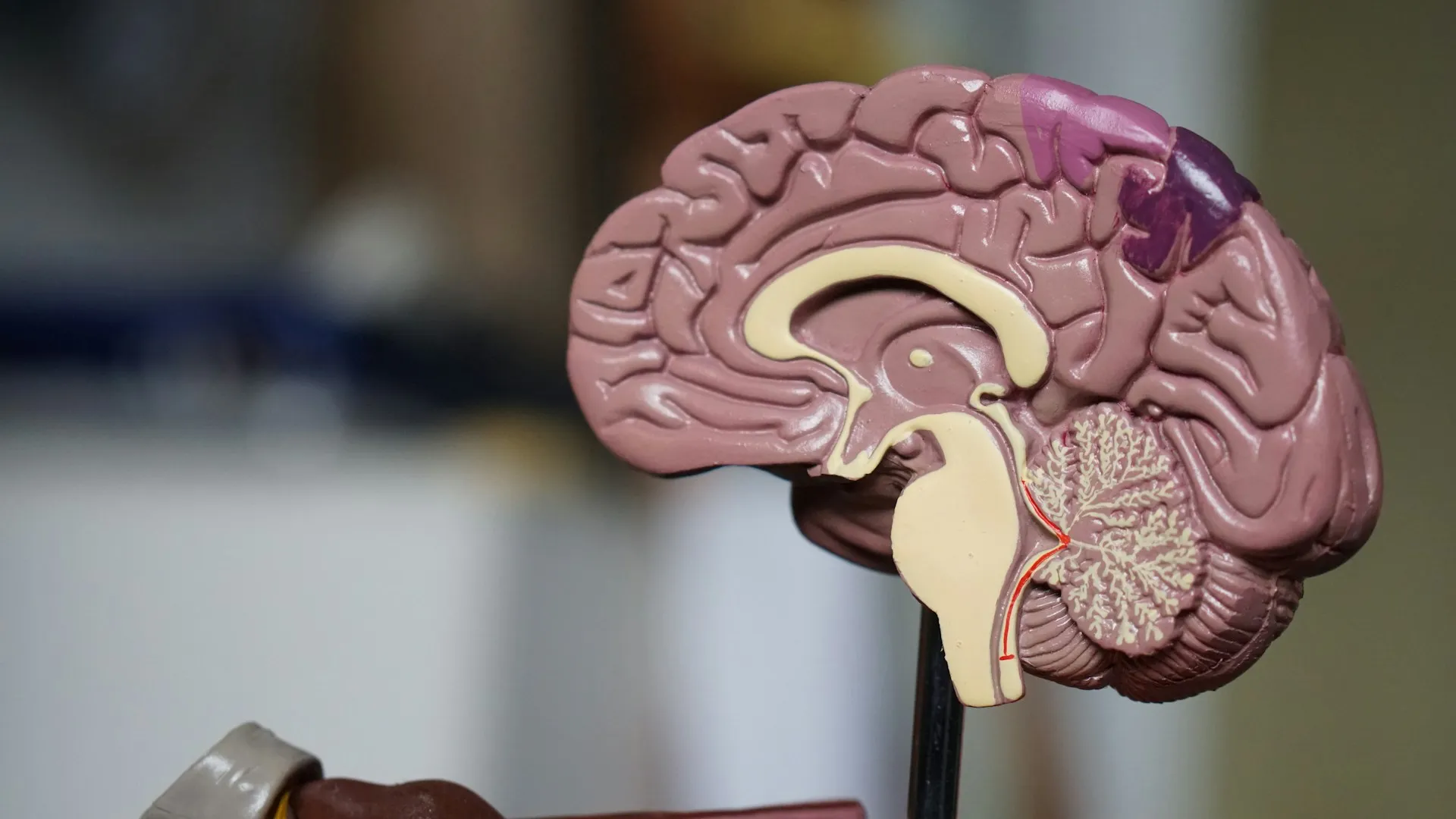
Photo by Robina Weermeijer on Unsplash
Why You May See Conflicting Headlines
The science is still developing, and the findings do not all point in the same direction.
A 2024 mouse study, for example, reported reduced clearance during sleep and anesthesia using a different experimental approach. Other researchers later challenged aspects of its methods and interpretation
Part of the challenge is deciding what to measure. Fluid entering the brain, fluid moving within tissue, and substances leaving the brain are related but distinct processes. Measuring one does not automatically tell us what is happening with the others.
In sum, we have growing evidence connecting sleep with brain fluid dynamics and clearance, while important details about mechanisms and long-term health effects remain unresolved.
What This Means for Everyday Wellness
For people interested in natural approaches to health, the practical message is familiar: give sleep a meaningful place in your wellness routine.
Glymphatic research adds biological context to that advice. Sleep is a period of active, coordinated changes involving brain cells, blood vessels, and fluid movement. Understanding those changes may eventually help researchers develop better ways to support brain health.
It also gives us a useful question to ask about wellness claims: what did the study actually measure? Feeling more relaxed, changing brain-wave activity, moving fluid, and improving waste clearance are different outcomes. Each deserves to be described accurately.
At Thera Wellness, exploring the body’s capacity for maintenance and recovery starts with curiosity and careful attention to evidence. The glymphatic system is a fascinating example of both: a window into what the brain does while we rest, with much still left to discover.
Further Reading
- Voluntary Exercise Promotes Glymphatic Clearance of Amyloid Beta and Reduces the Activation of Astrocytes and Microglia in Aged Mice
- The Effect of Body Posture on Brain Glymphatic Transport
- Association of Perivascular Localization of Aquaporin-4 With Cognition and Alzheimer Disease in Aging Brains
- Structural and functional features of central nervous system lymphatic vessels