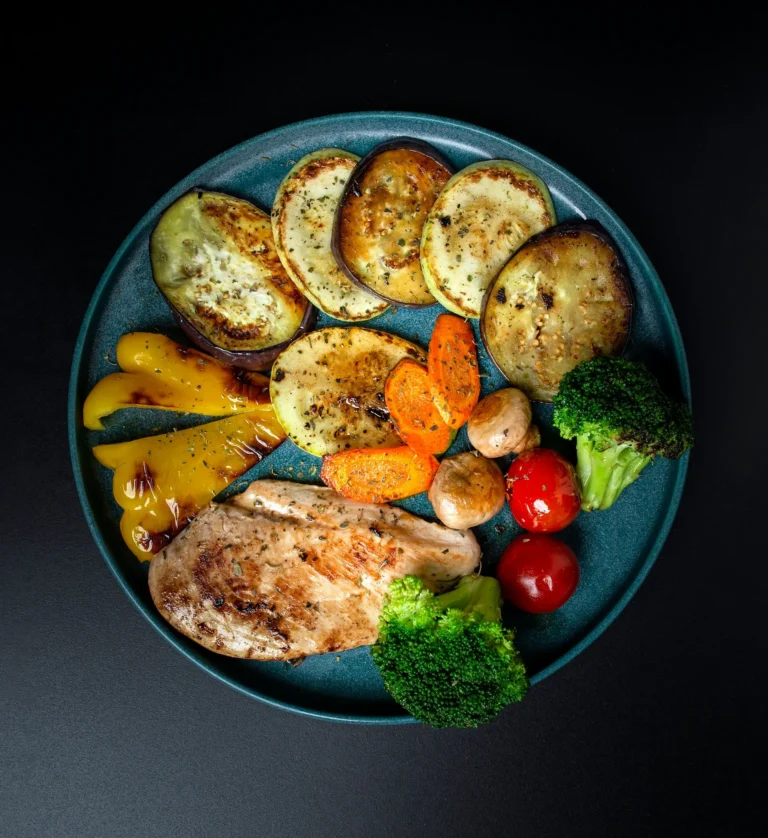
Two identical portions of food can look surprisingly different depending on the plate they are served on. A serving that appears generous on a smaller plate may suddenly seem modest when placed in the center of a much larger one.
This is not necessarily because the food has changed. It may be because our brains judge size relative to the surrounding visual environment.
Your Brain Does Not Judge Size in Isolation
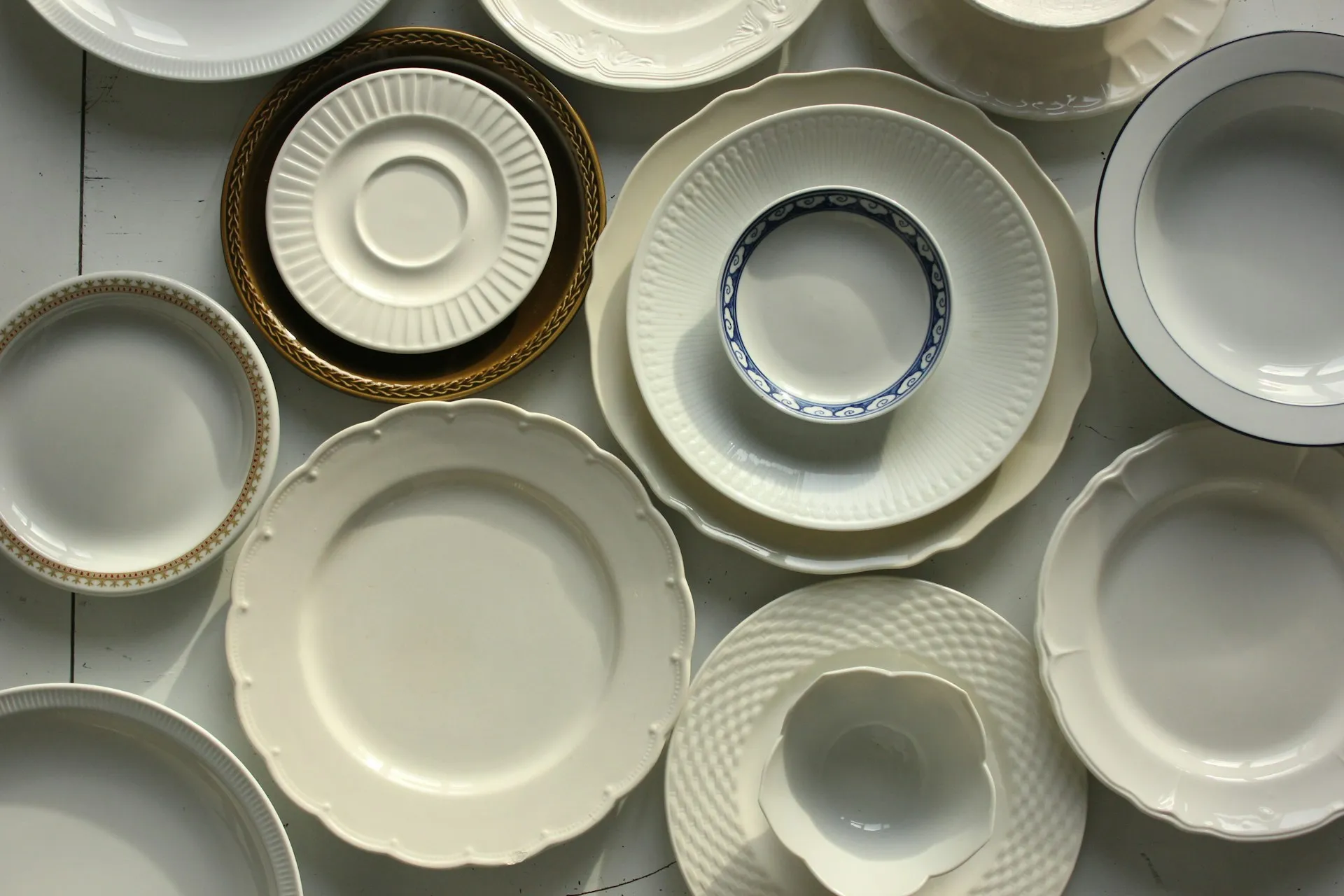
Photo by Angèle Kamp on Unsplash
When we look at an object, the brain rarely evaluates its size in isolation. Instead, it uses surrounding objects as reference points.
One visual phenomenon that helps explain this is the Delboeuf illusion. In the classic version of the illusion, two identical circles can appear to be different sizes depending on the size of the circles surrounding them.
A similar effect can occur with food. The food becomes the inner circle, while the plate provides the surrounding visual context. As a result, the same serving can sometimes appear smaller when surrounded by more empty plate space and larger when it takes up more of the plate.
Research using images of food has shown that characteristics of the plate can alter these judgments. For example, McClain and colleagues found that changing the width and visual design of a plate’s rim influenced participants’ perceptions of portion size. Portions presented with wider rims were perceived as visually larger under certain conditions, demonstrating that even relatively subtle features of dinnerware can affect how food is interpreted visually.
Plate Size Can Change What Feels Like “Enough”
This visual context may also influence expectations about how filling a meal will be.
In one experiment involving more than 200 participants, identical foods displayed on smaller versus larger plates produced differences in estimated satiation and expected intake. Food shown on smaller plates was generally expected to be more satiating, while participants anticipated eating less of it.
In other words, our expectations about a meal may begin forming before we take the first bite. Plate size may act as one of several visual cues the brain uses to answer questions such as:
- Does this look like a lot of food?
- Will this be enough to satisfy me?
- Is this a normal portion?
Eating is influenced not only by hunger signals but also by learned expectations, previous experiences, visual cues, and the surrounding eating environment.
But the Effect Is Not Always the Same
However, smaller plates do not always make food look bigger.
Studies have produced mixed results.
For example, one experiment comparing the same amount of pasta on differently sized plates found that participants did not significantly differ in their numerical estimates of how many grams of food were present. However, plate size did influence whether participants categorized the serving as small, medium, or large.
This distinction is interesting. Plate size may not always dramatically change our ability to estimate the physical amount of food, but it may still influence our more subjective impression of whether a portion looks small or large.
Factors such as hunger, the type of food, plate design, serving method, and how much attention someone is paying to their meal may also influence the strength of these visual effects. Research has even found that food deprivation can reduce susceptibility to some food-related size-contrast illusions, suggesting that internal physiological signals may sometimes compete with visual context.
Does a Smaller Plate Actually Make You Eat Less?
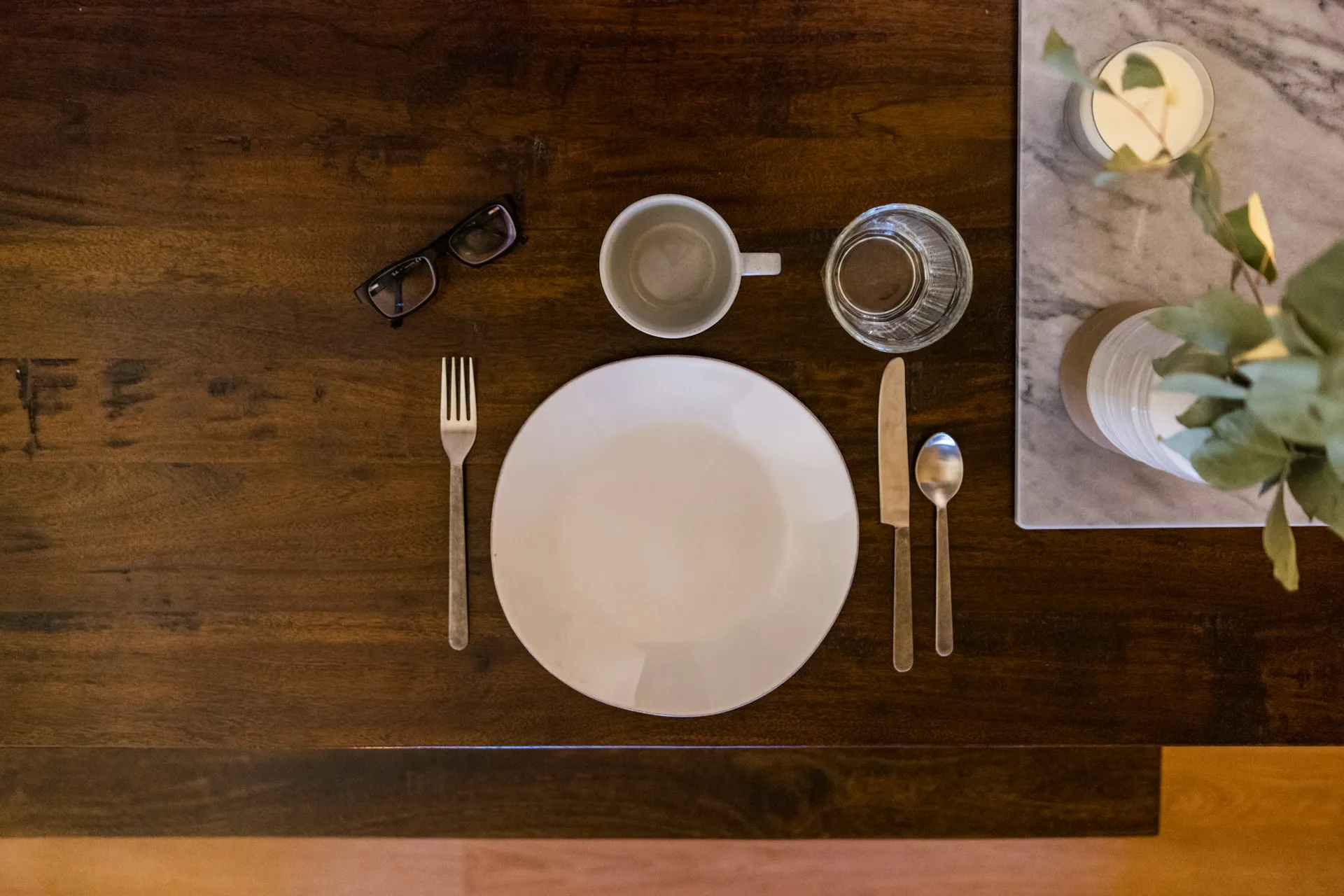
Photo by Christopher Jolly on Unsplash
This is where the evidence becomes considerably less straightforward.
Although plate size can influence visual perception under some conditions, that does not automatically mean that using a smaller plate will substantially reduce how much someone eats.
A systematic review and meta-analysis found that most experiments comparing larger and smaller dishware did not find a significant difference in food consumption. Across the available research, the overall effect was small and studies varied considerably in their findings.
A later systematic review reached a similar conclusion. Portion-control tools overall showed some promise, particularly combinations involving smaller bowls and serving utensils, but smaller plates alone did not produce a significant overall reduction in food intake.
That means plate size should be thought of as one environmental cue among many, rather than a guaranteed strategy for controlling how much someone eats.
The Bigger Picture: We Eat With Our Eyes Too
Hunger and fullness are biological processes, but eating also involves perception.
The size of a plate, the amount of empty space surrounding the food, the design of the rim, the portion initially served, and even the arrangement of food can all contribute information that the brain uses to interpret a meal.
Plate size offers a simple example of a much broader principle: what we perceive depends partly on context.
A meal does not arrive in the brain as an objective number of grams or calories. Before eating even begins, the brain already makes comparisons, forms expectations, and decides what the portion appears to represent.
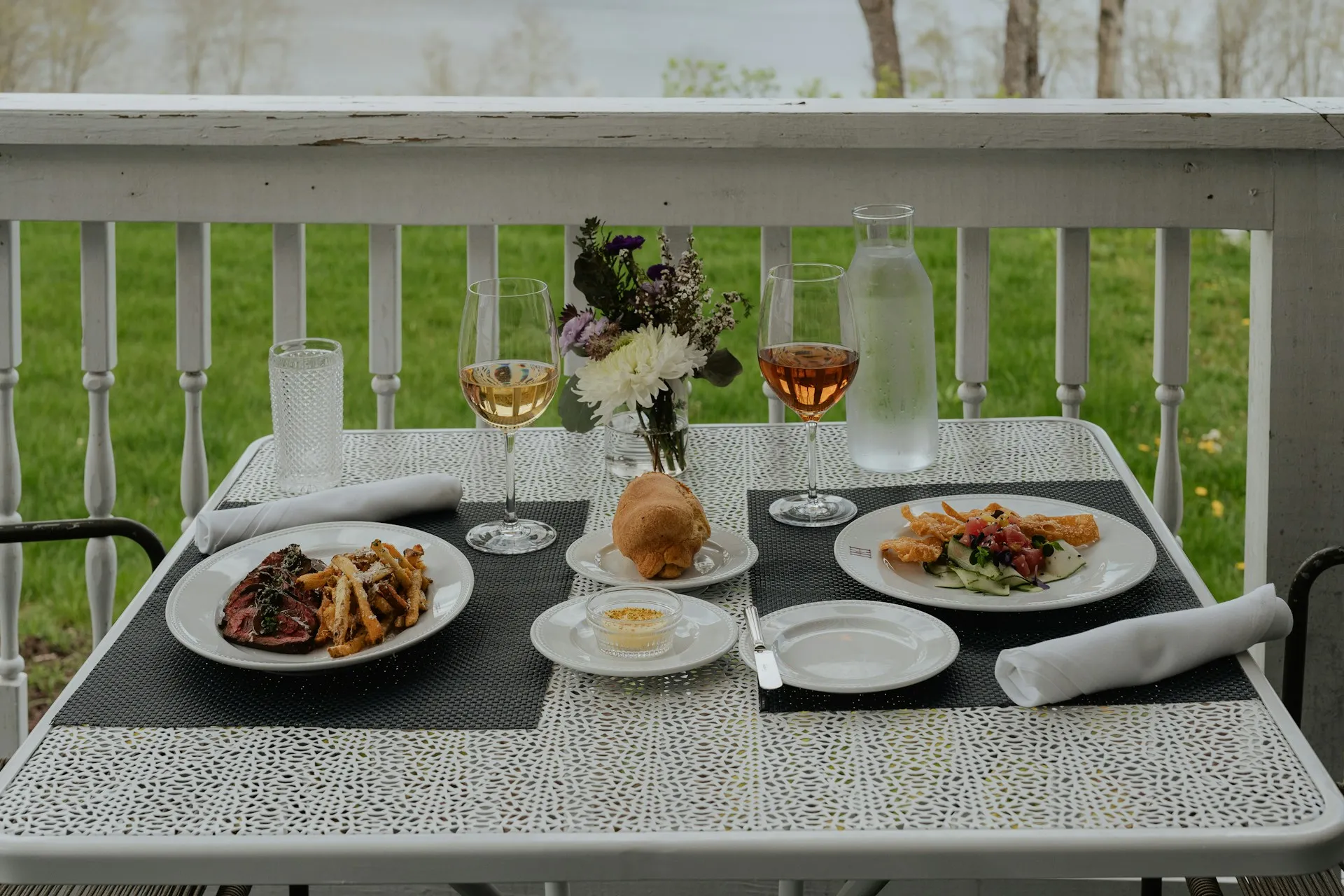
Photo by Clay Banks on Unsplash
Takeaway
Plate size can influence how large or satisfying a portion looks, although the size of the plate alone does not reliably determine how much someone will ultimately eat. Our perception of food is shaped by both the food itself and the visual context surrounding it.
Further Reading
- See food diet? Cultural differences in estimating fullness and intake as a function of plate size.
- Does the visual composition of a dish influence the perception of portion size and hedonic preference?
- In the eye of the beholder: Visual biases in package and portion size perceptions.
- Portion size me: Plate-size induced consumption norms and win-win solutions for reducing food intake and waste.