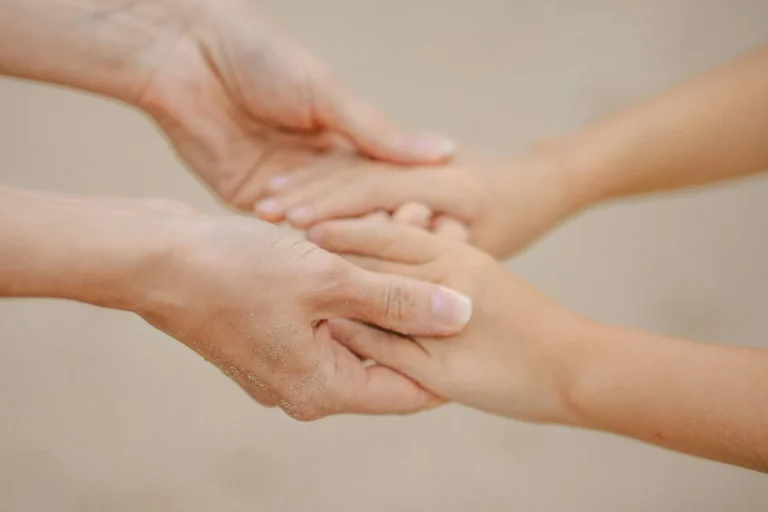
A hand resting on the shoulder, a slow stroke along the forearm, and firm pressure against the skin are all forms of touch. Yet they do not necessarily feel the same.
Firm pressure may feel grounding or physically supportive. A light tap may communicate direction or attract attention. Slow, gentle stroking can carry another quality entirely: warmth, affection, reassurance, or safety.
Part of this difference comes from the nervous system. Touch is not processed through one simple pathway. The skin contains several types of sensory nerve fibres. Each responds to different features, including pressure, vibration, temperature, movement, and potential harm. Researchers have also identified a specialized class of nerve fibres that appears particularly responsive to the kind of slow, gentle touch commonly used during caring social interactions.
These fibres are called C-tactile afferents, or CT fibres.
Touch Has More Than One Job
One important function of touch is differentiation. It helps the brain determine:
- Where the body was touched
- How much pressure was applied
- Whether something is moving across the skin
- What texture or shape is present
- Whether an object is vibrating or slipping
This information is primarily carried by fast, myelinated nerve fibres, including Aβ fibres. Their speed and precision allow someone to locate a tap, recognize an object by touch, or adjust their grip before something falls.
Touch also has an affective dimension, or how a touch feels emotionally: pleasant, comforting, irritating, intimate, reassuring, or unwelcome.
The discriminative system helps answer, “What touched me, and where?”
The affective system answers another question: “What does this touch feel like, and what might it mean?”
These systems interact. The brain does not process the physical sensation separately from the person, setting, expectations, and emotional meaning surrounding it.
The Nerve Fibres That Prefer a Gentle Stroke
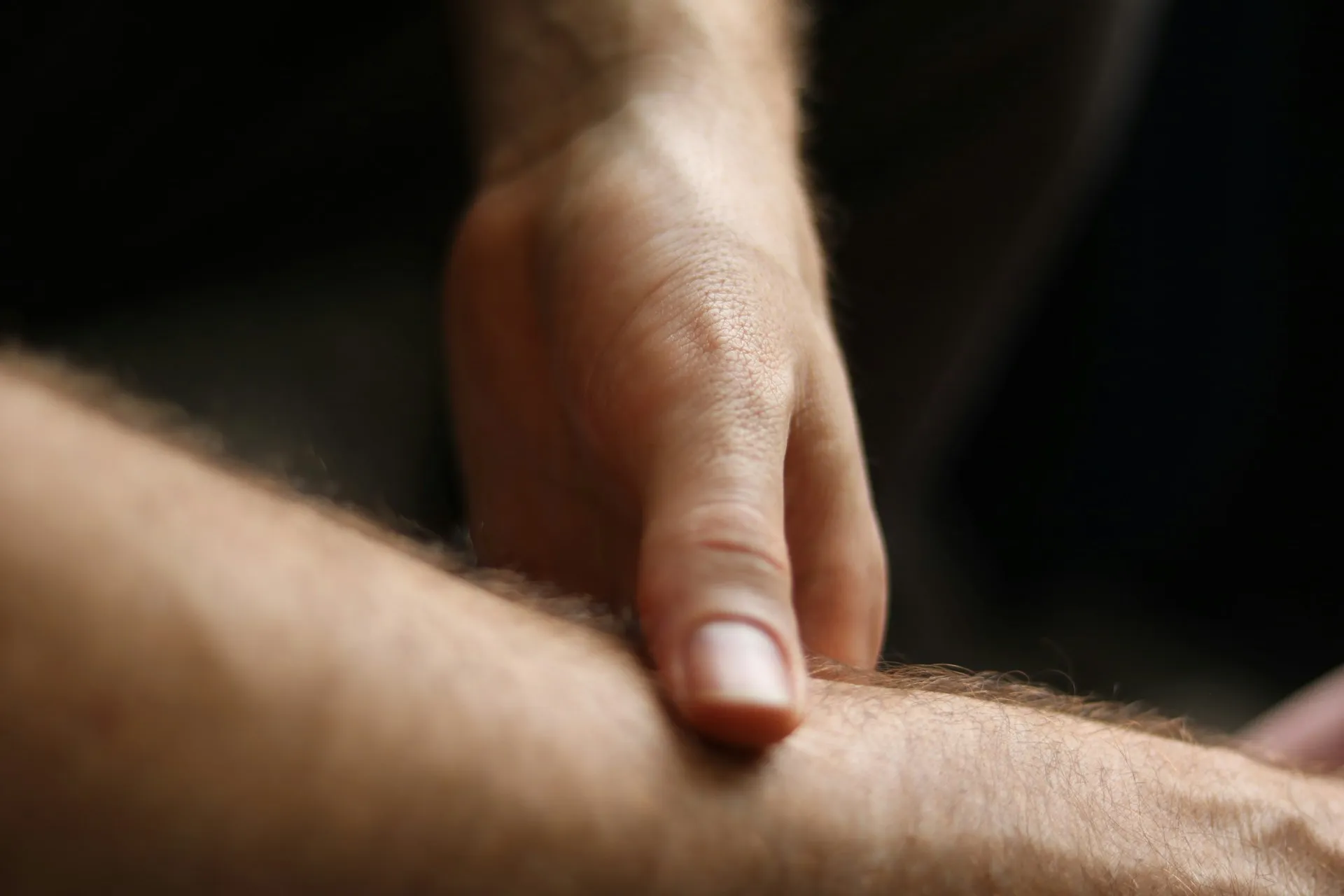
Photo by Alicia Christin Gerald on Unsplash
CT fibres are unmyelinated, low-threshold mechanoreceptors found mainly in hairy skin, such as the forearm. Unlike pain-sensing C fibres, CT fibres respond to light, non-painful movement across the skin.
Their response is especially strong when touch has several characteristics associated with a natural caress:
- It moves across the skin rather than remaining completely still
- It applies relatively light force
- It travels at a slow-to-moderate speed
- It is close to normal skin temperature
In a landmark microneurography experiment, researchers recorded activity directly from individual sensory nerves while participants’ skin was brushed at different speeds. CT fibres responded most strongly to stroking between approximately 1 and 10 centimetres per second. Participants also rated these intermediate speeds as more pleasant than very slow or very fast stroking.
This does not mean that there is one exact “perfect” speed for comforting touch. It means that, on average, the firing pattern of CT fibres follows a similar curve to people’s pleasantness ratings: both tend to peak during slow-to-moderate stroking.
Temperature Matters, Too
The nervous system does not respond only to how quickly touch moves. Temperature can also influence the experience.
In another microneurography study, researchers delivered gentle strokes at different temperatures while recording CT-fibre activity. The fibres responded most strongly when the stimulus was close to typical skin temperature. Participants also rated skin-temperature strokes as more pleasant than cooler or warmer strokes.
This temperature preference may help explain why human touch can feel different from contact with a cold tool or object, even when the pressure and movement are similar.
However, CT activity is only one part of the experience. Warmth, familiarity, expectations, attention, and the identity of the person providing the touch can all influence how the brain interprets it.

Why Gentle Touch Does Not Feel Like Firm Pressure
Firm pressure and gentle stroking provide the nervous system with different patterns of information.
Firm or sustained pressure more strongly recruits sensory systems that encode force, indentation, and the physical location of contact. Slow stroking combines information about movement, temperature, pressure, and emotional relevance. It engages fast sensory fibres alongside CT fibres and is then interpreted within wider brain networks.
This distinction should not be reduced to the idea that pressure is “mechanical” while gentle touch is “emotional.” Both can have emotional meaning, and both depend on multiple sensory pathways.
A 2023 nerve-block experiment illustrates this complexity. Researchers temporarily reduced the function of fast A fibres in healthy adults and then tested gentle brushing and deep pressure. The perceived intensity and pleasantness of both forms of touch were greatly diminished. This suggests that conscious touch pleasantness cannot be attributed to CT fibres alone; input from faster sensory fibres also plays a critical role.
Rather than operating as an isolated “pleasure pathway,” CT fibres appear to contribute one type of information that the brain combines with other tactile and contextual signals.
Where Does Affective Touch Go in the Brain?
Research involving people with an unusual loss of large, myelinated sensory fibres provided early clues about the CT system.
Although these individuals had severe difficulty identifying and locating light touch, slow brushing of hairy skin could still produce a faint, sometimes pleasant sensation. Brain imaging showed activity in the insular cortex, a region involved in integrating bodily states with emotion and subjective experience.
This pattern led researchers to propose that CT fibres may contribute to an affective-touch pathway associated with the emotional and bodily significance of contact.
Later work has shown that affective touch is processed across a broader network. Somatosensory regions help represent the physical features of touch, while areas including the insula and orbitofrontal cortex contribute to its emotional value. Brain activity can even differ depending on who a person believes is delivering the touch, despite the physical stimulation remaining similar.
The sensation begins in the skin, but its meaning is constructed by the brain.
Can Gentle Touch Influence Physiological Arousal?
Slow touch may affect more than conscious pleasantness ratings.
In one experiment, adults received brush strokes at either 3 or 30 centimetres per second. The slower, CT-targeted touch was rated as more pleasant and produced greater heart-rate deceleration than the faster touch. The researchers interpreted this as evidence that gentle stroking can carry a positive emotional value and influence autonomic activity.
Sensitivity to these touch patterns also appears early in life. In an experiment with 9-month-old infants, medium-speed brushing produced greater heart-rate slowing and behavioral engagement than slower or faster brushing.
Researchers have observed related effects in premature infants. Five minutes of gentle dynamic stroking was associated with a greater reduction in heart rate than static touch, although the authors emphasized that more research is needed to draw clinical conclusions.
These studies suggest that certain forms of gentle touch can influence physiological arousal. They do not prove that gentle touch will always calm every person or that a particular brushing speed functions as a medical treatment.
Touch Can Also Affect Emotional Experiences
Because touch often occurs within relationships, researchers have examined whether gentle stroking can influence emotional distress.
In one study, participants first experienced social exclusion during a computerized ball-tossing task. They then received either slow, gentle touch or faster, neutral touch from an unfamiliar experimenter. Those who received slow touch reported a greater reduction in feelings of social exclusion.
Another experiment examined touch during painful laser stimulation. Slow touch delivered by a romantic partner reduced subjective pain ratings and altered pain-related brain responses more than faster touch.
These findings are promising, but their context matters. They involved controlled laboratory tasks and short-term outcomes. More research is needed to establish long term effects and whether these effects extend outside the lab.
Under certain circumstances, the nervous system may integrate gentle touch with social support in ways that influence emotional and pain-related processing.

Photo by Kelly Sikkema on Unsplash
Why the Same Touch Can Feel Comforting, or Uncomfortable
The physical properties of touch do not determine the entire experience.
The same slow stroke may feel comforting when it comes from a trusted partner, intrusive when it comes from a stranger, and irritating when someone is already overstimulated. Whether touch feels safe can depend on:
- Consent
- Relationship and familiarity
- Body location
- Cultural expectations
- Previous experiences
- Current stress or arousal
- Pain or sensory sensitivity
- Whether the person anticipated the contact
- The ability to stop or control the touch
This is crucial in clinical and wellness settings. A practitioner may intend touch to be gentle and reassuring, but the receiver may experience it differently.
People with autism, trauma histories, chronic pain, neuropathy, sensory-processing differences, or certain medical conditions may respond to touch in highly individual ways. Even among people without a diagnosed condition, touch preferences vary considerably.
A touch does not become regulating simply because it is slow.
Consent Is Part of the Sensory Experience
Consent is sometimes treated as a social rule added on top of touch. From the nervous system’s perspective, however, predictability and control are part of the experience itself.
Knowing what will happen, choosing whether it happens, and being able to stop it can change how contact is interpreted. Unexpected or unwanted touch may activate vigilance even when it is physically light.
For health and wellness practitioners, useful questions may include:
- “Is it okay if I place my hand here?”
- “Would you prefer light touch, firmer pressure, or no touch?”
- “Does this speed and pressure feel comfortable?”
- “Would you like me to stop or change anything?”
Consent should be ongoing instead of assumed from a person’s initial agreement to treatment. Non-touch alternatives should also remain available.
Gentle Touch Is Not Simply “Less” Touch
Slow, gentle stroking is not merely a weaker version of pressure. It creates a different pattern of sensory activity and may carry different emotional information.
CT fibres appear especially responsive to touch that resembles a warm, gentle caress. Faster A fibres provide the precise information needed to locate and identify the contact. The brain then combines those signals with context, memory, expectation, relationship, and perceived safety.
This helps explain why a firm hand, a brief tap, a massage stroke, and a slow caress can all feel distinct even when they occur on the same area of skin.
The nervous system not only measures how hard the body was touched. It is also asks what kind of contact occurred, who provided it, whether it was wanted, and what that touch might mean.
Gentle touch can sometimes communicate safety without words, but only when the person receiving it experiences it that way.
Further Reading
- Interpersonal Stroking Touch Is Targeted to C-Tactile Afferent Activation
- Touching and Feeling: Differences in Pleasant-Touch Processing Between Glabrous and Hairy Skin in Humans
- Bodily Pleasure Matters: Velocity of Touch Modulates Body Ownership During the Rubber Hand Illusion
- Putting a Good Face on Touch: Facial Expression Reflects the Affective Valence of Caress-Like Touch Across Modalities