Modern medicine is moving beyond one-size-fits-all treatments. Could therapies that continuously respond to the body’s own signals represent the next evolution in healthcare?
Medicine has always relied on feedback.

Photo by Vitaly Gariev on Unsplash
A physician adjusts a medication after reviewing blood pressure readings. An endocrinologist changes an insulin dose after monitoring glucose levels. A physical therapist modifies rehabilitation exercises as strength and mobility improve.
In each case, treatment changes because the patient’s body changes. Yet many medical therapies still operate using an open-loop approach: a treatment is delivered at a fixed dose or intensity regardless of how the body responds in that moment.
Increasingly, researchers are exploring a different strategy. Rather than delivering the same intervention continuously, closed-loop systems monitor physiological signals in real time and automatically adjust therapy based on the body’s current state.
This concept is transforming fields ranging from diabetes management to neuroscience and bioelectronic medicine.
What Is a Closed-Loop System?
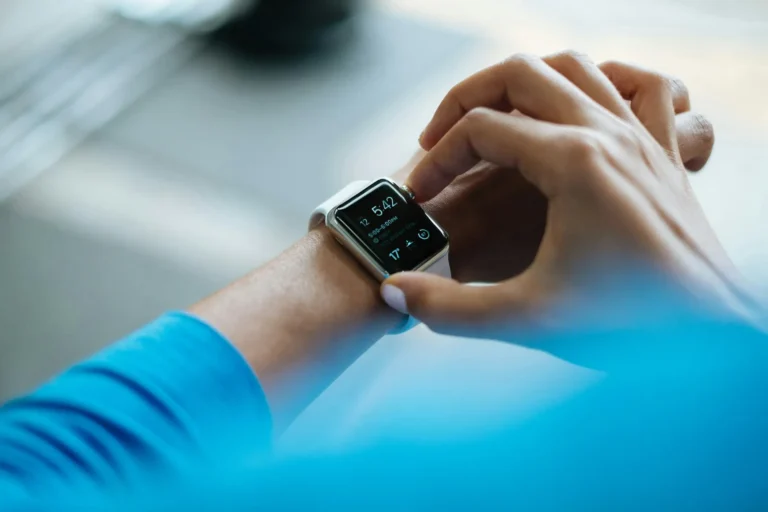
A closed-loop system continuously measures a biological signal, processes that information, and adjusts its output based on what it detects.

Photo by Sweet Life on Unsplash
Instead of assuming every patient needs the same treatment all the time, the device responds dynamically to ongoing physiological changes.
Every closed-loop system contains three basic components:
- A sensor that measures biological activity
- A processor that interprets those measurements
- A response that adjusts treatment accordingly
This constant cycle of sensing, processing, and responding creates an adaptive feedback loop. Rather than simply delivering therapy, the system continuously asks: “How is the body responding?”
Open-Loop vs Closed-Loop Medicine
Traditional therapies often use an open-loop approach.
For example:
- A medication is prescribed at a fixed dose.
- A pacemaker delivers stimulation at predetermined settings.
- A stimulation device provides the same electrical output regardless of changing physiology.
These treatments are often highly effective, but they may not fully account for the fact that human physiology changes from minute to minute.
Closed-loop systems aim to address this limitation by adapting treatment as physiology changes.
Instead of asking:
“What treatment usually works?”
they ask:
“What does this person’s body need right now?”
Closed-Loop Medicine Already Exists
Although closed-loop medicine may sound futuristic, it is already being used in clinical practice. One of the best-known examples is the artificial pancreas used by many individuals with Type 1 diabetes.
Continuous glucose monitors measure blood sugar throughout the day.
Algorithms analyze these measurements.
Insulin pumps automatically adjust insulin delivery based on changing glucose levels.
Rather than relying entirely on manual adjustments, the system continuously adapts to the individual’s physiology.
This has improved glucose control while reducing episodes of dangerous hypoglycemia in many patients.
Closed-Loop Neurostimulation
The nervous system is another area where closed-loop approaches are attracting significant attention. Traditional neurostimulation devices typically deliver electrical stimulation at fixed settings.
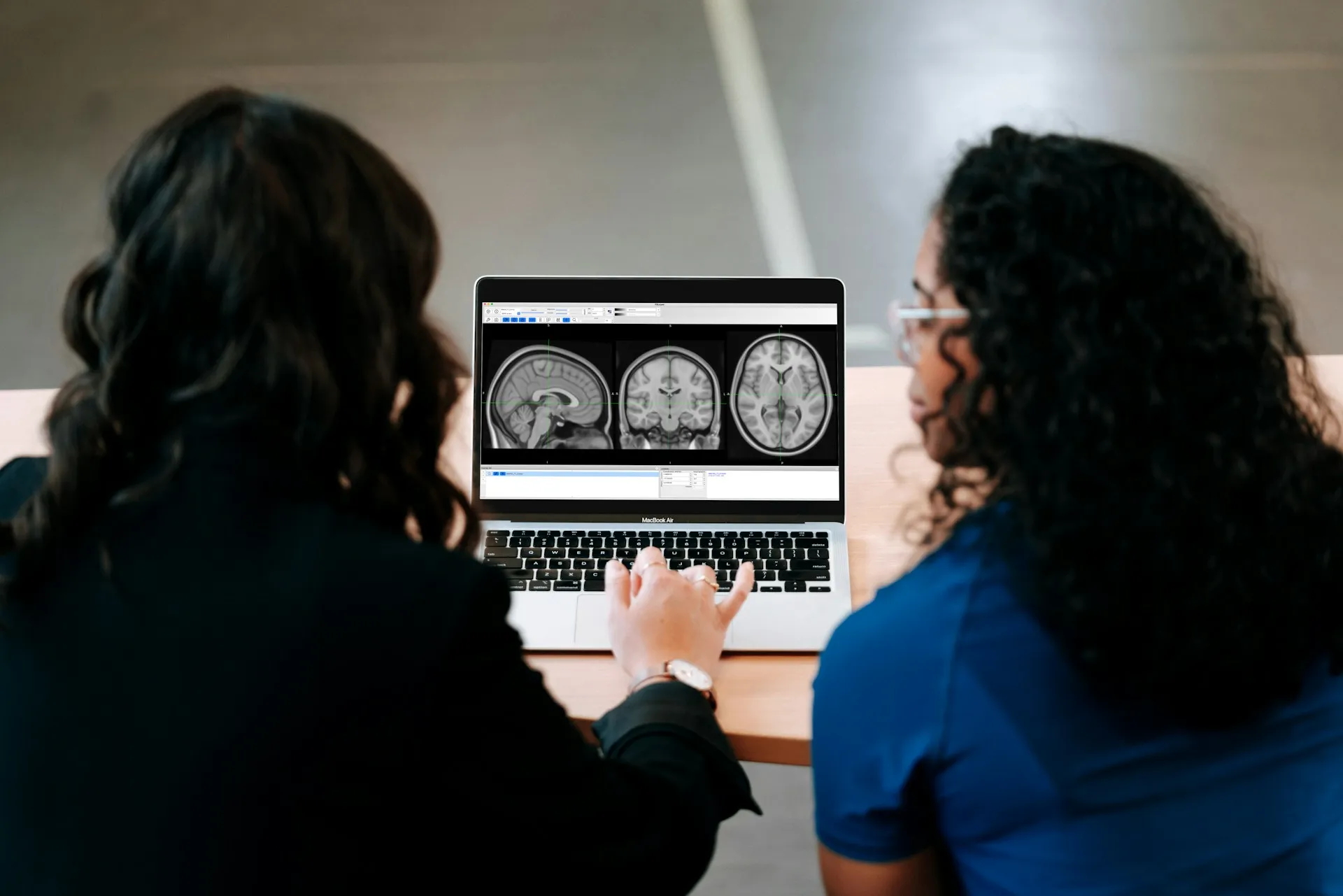
Photo by Keith Tanner on Unsplash
Researchers are now developing systems capable of detecting abnormal neural activity before adjusting stimulation automatically.
One important example is responsive neurostimulation (RNS) for epilepsy. Rather than stimulating continuously, implanted electrodes monitor brain activity.
When seizure-related electrical patterns are detected, stimulation is delivered immediately in an attempt to interrupt abnormal neural activity before a seizure fully develops.
Why Personalization Matters
No two nervous systems are identical.
Age, genetics, stress, sleep, medications, disease progression, and environmental factors all influence physiology. Even within the same individual, physiology changes throughout the day.
Heart rate changes.
Brain activity changes.
Inflammation fluctuates.
Stress responses vary.
Because biology is dynamic, many researchers believe therapies should also become more dynamic.
Closed-loop systems represent one way of achieving this personalization.
Artificial Intelligence and the Future of Adaptive Medicine
Recent advances in artificial intelligence have accelerated interest in closed-loop healthcare.
Machine learning algorithms can identify subtle physiological patterns that may be difficult for clinicians to recognize in real time.
Future systems may combine information from multiple sources simultaneously, including:
- heart rate variability
- movement
- sleep
- neural activity
- respiration
- skin temperature
- other physiological biomarkers
Instead of responding to a single measurement, future devices may continuously integrate multiple biological signals to optimize therapy.
Although many of these systems remain under development, they illustrate how personalized medicine is increasingly becoming data-driven and adaptive.
What Does This Mean for Bioelectronic Medicine?
The same principles are influencing bioelectronic medicine. Early electrical therapies often delivered fixed stimulation. Researchers are now exploring whether therapies that respond to changing neural activity may improve precision while reducing unnecessary stimulation.
This shift reflects a broader change in medicine.
Rather than asking:
“How do we treat this disease?” Researchers are increasingly asking: “How do we respond to this person’s physiology?”
Closed-Loop Wellness Technologies
The concept of closed-loop feedback is not limited to hospital-based medical devices.
Some wellness technologies have also adopted adaptive approaches that aim to respond to an individual’s own physiological signals rather than delivering standardized stimulation.
For example, THERA Wellness® uses proprietary closed-loop biofield technology to analyze electromagnetic signals emitted by the body, process those signals, and return a modified signal back to the individual. This approach provides personalized wellness support based on real-time physiological information rather than relying solely on generic, pre-programmed frequencies.
However, this type of wellness technology differs from FDA-approved medical devices used to diagnose or treat disease. While established bioelectronic therapies such as pacemakers and deep brain stimulation have extensive clinical evidence supporting specific medical applications, wellness technologies may have different intended uses, regulatory classifications, and levels of scientific evidence.
Nevertheless, both reflect an increasingly important idea in healthcare: that personalization and adaptive feedback may play a larger role in the future of health and wellness.
Final Thoughts
For much of modern medicine, treatment has focused on finding the right therapy.
The next frontier may be finding the right therapy at the right moment.
Closed-loop systems represent a shift away from static interventions and toward therapies that continuously respond to the body’s own changing physiology.
From artificial pancreas systems to responsive neurostimulation and adaptive bioelectronic devices, this approach is already changing how clinicians think about personalized healthcare.
As our understanding of physiology continues to grow, the ability to listen—and respond—to the body’s own signals may become one of the defining features of next-generation medicine.
Further Reading
- Bioelectronic medicine for the autonomic nervous system: clinical applications and perspectives
- Neural engineering: the process, applications, and its role in the future of medicine
- Organic bioelectronics in medicine
- Restoring Movement in Paralysis with a Bioelectronic Neural Bypass Approach: Current State and Future Directions
- Anti-inflammatory properties of the vagus nerve: potential therapeutic implications of vagus nerve stimulation
Disclaimer:
This information is for educational purposes only and does not constitute professional medical advice. Always consult a healthcare professional before incorporating any new therapy into your practice. Thera Wellness is a wellness technology and is not intended to diagnose, treat, cure, mitigate, or prevent disease or any condition.
Do you want to see all the updates?
👉 Follow us on Instagram and Facebook and never miss a thing!