
Summer is often associated with sunshine, vacations, outdoor activities, and longer days. But for many people, the season can also bring a frustrating wave of summer fatigue and allergies, causing symptoms like sneezing, congestion, itchy eyes, headaches, irritability, low energy, poor sleep, and a general feeling of being “off.”
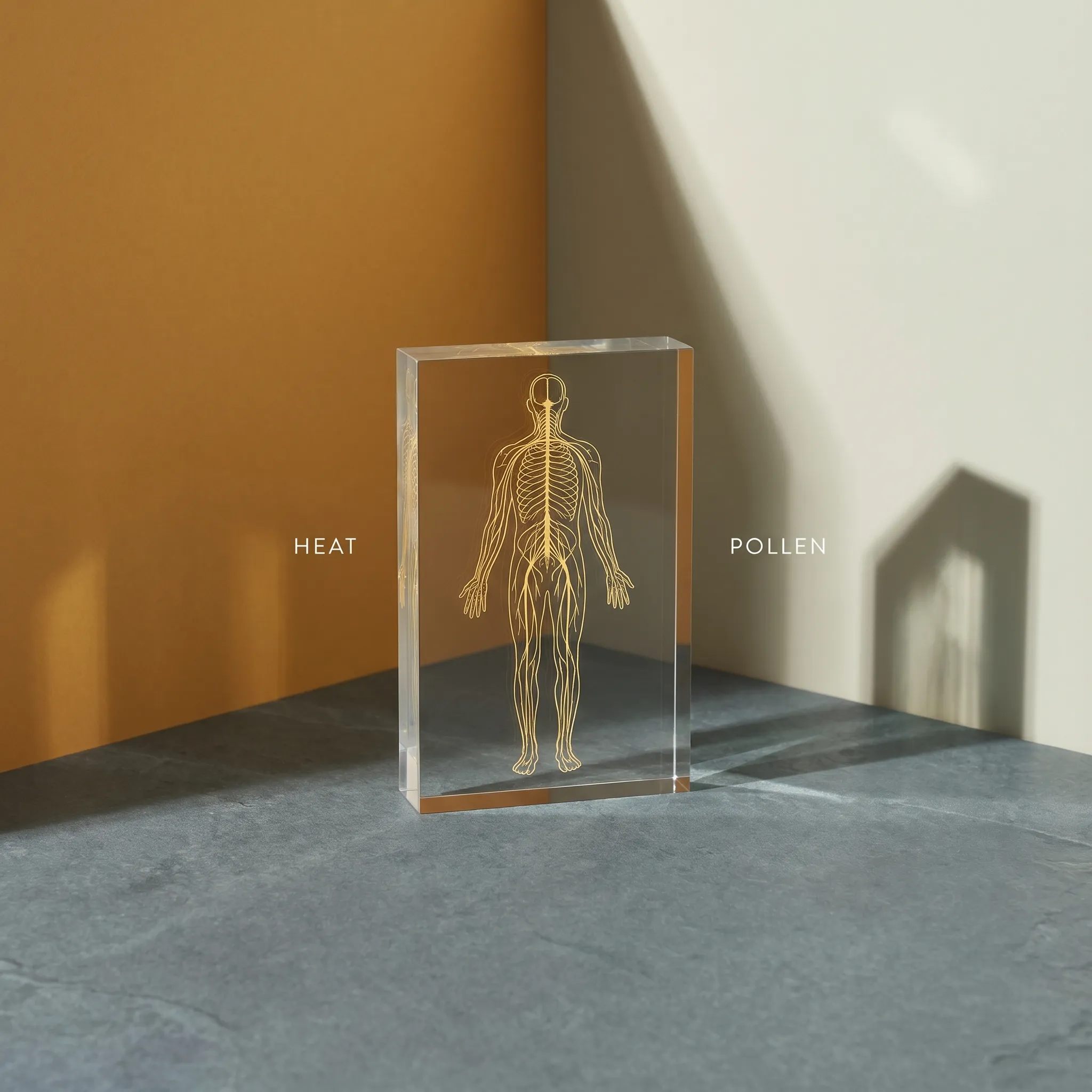
While these symptoms may seem unrelated, they can overlap when the body is constantly responding to environmental stressors. During the summer, heat, pollen, humidity, travel, disrupted routines, dehydration, and increased social activity can all place extra demand on the nervous system and immune system. For some people, this added load may make allergies feel stronger, fatigue feel heavier, and recovery feel slower.
The Total Summer Stress Load on the Body
The body is designed to adapt to changing environments. When temperatures rise, the body works harder to regulate internal heat. When pollen or environmental irritants increase, the immune system may become more reactive. When routines change because of travel, late nights, or social plans, sleep and digestion can also become less predictable.
Each of these factors may be manageable on its own. But when they happen at the same time, the body’s overall stress load can increase. This is why someone may feel relatively well in cooler months but notice more fatigue, sensitivity, brain fog, or irritability during the summer.
In holistic wellness, this is often understood as a capacity issue: the body may not be “failing,” but it may be using more energy than usual to maintain balance.
Understanding the Link Between Summer Fatigue and Allergies
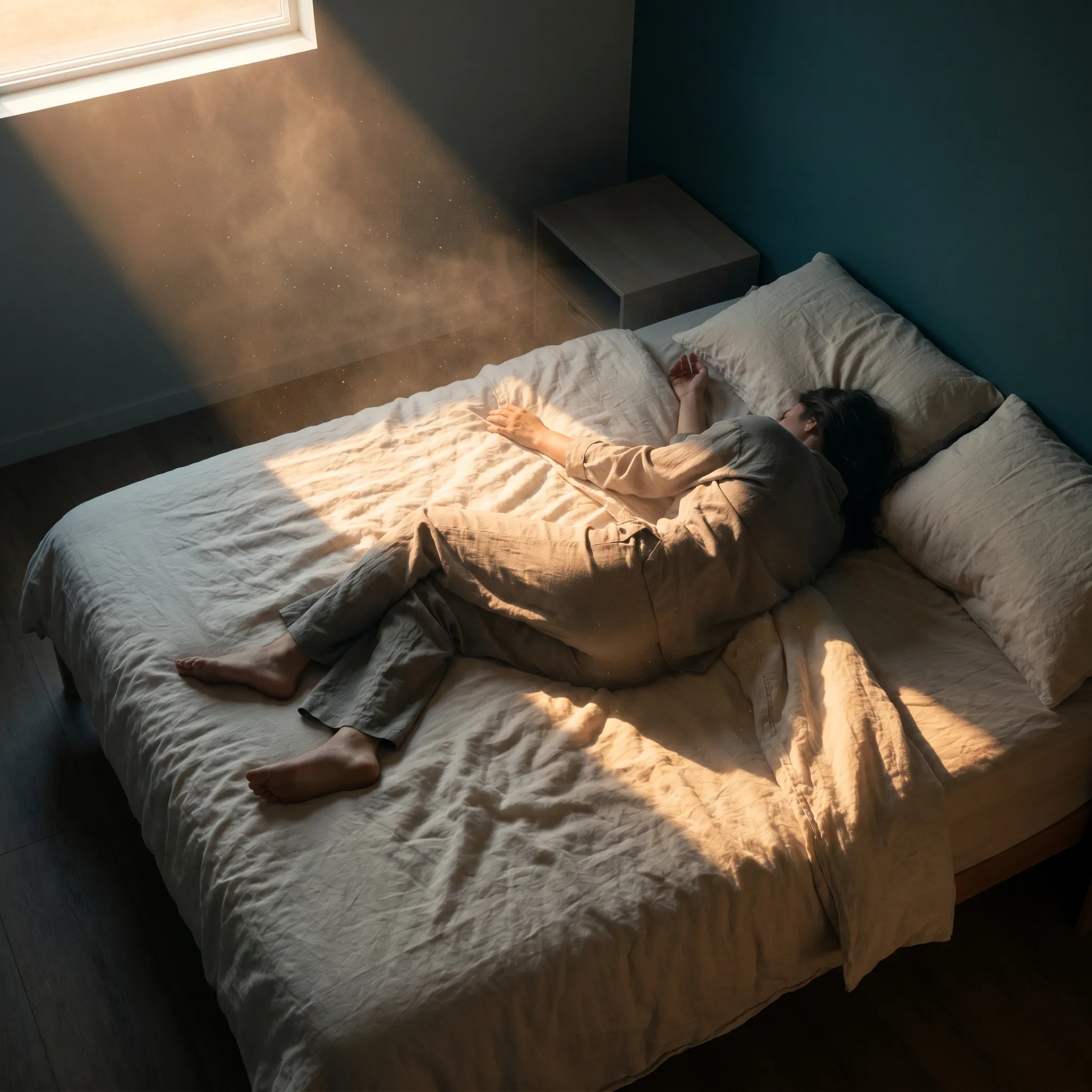
Seasonal allergies, also known as allergic rhinitis, are commonly associated with nasal congestion, sneezing, itchy eyes, and a runny nose. However, research has also linked allergic rhinitis with sleep impairment, daytime sleepiness, fatigue, and reduced quality of life. In one study, allergic rhinitis was associated with impaired sleep across multiple dimensions, especially in individuals with more severe symptoms.
This matters because fatigue during allergy season is not always “just being tired.” When the immune system is activated and sleep is disrupted by congestion or inflammation, the body may feel less restored even after a full night in bed. A systematic review and meta-analysis also found that allergic rhinitis is associated with sleep impairment, supporting the connection between allergy symptoms and poor rest.
For some people, allergies may also affect mental clarity. Studies on seasonal allergic rhinitis have reported increased fatigue, reduced motivation, and cognitive difficulties during pollen seasons in some allergic individuals.
How Heat Exposure Adds to Autonomic Nervous System Strain
Heat is not just uncomfortable; it requires physiological work. The body has to regulate temperature through sweating, changes in circulation, fluid balance, and autonomic nervous system activity. A study examining heat exposure found that heat stress affected physiological responses, subjective symptoms, heart rate variability, and urinary catecholamines, suggesting that heat places measurable demand on autonomic regulation.
This may help explain why hot days can feel so draining. Even if a person is not exercising intensely, the body may still be working harder in the background. When heat exposure occurs alongside allergies, poor sleep, dehydration, or emotional stress, the result can feel like sudden fatigue or low resilience.
Why These Symptoms Flare Up Together
Allergies, heat, and fatigue can flare together because they all draw from the body’s adaptive resources. Allergies activate immune and inflammatory pathways. Heat increases thermoregulatory demand. Poor sleep reduces recovery. Dehydration can worsen headaches, tension, and low energy. Busy summer routines can increase nervous-system stimulation.
This does not mean summer symptoms have a single cause. Instead, they may reflect a combination of accumulating factors. A person may feel tired not only because of pollen or only because of heat, but because the body is managing multiple stressors at the same time.
From a whole-body perspective, this is why symptoms may appear in clusters:
- Allergies may worsen sleep.
- Poor sleep may increase fatigue and irritability.
- Heat may increase physical strain.
- Dehydration may worsen tension and headaches.
- Busy schedules may reduce recovery time.
- The nervous system may become more reactive when the body is under load.
The Vicious Cycle of Seasonal Sensitivity
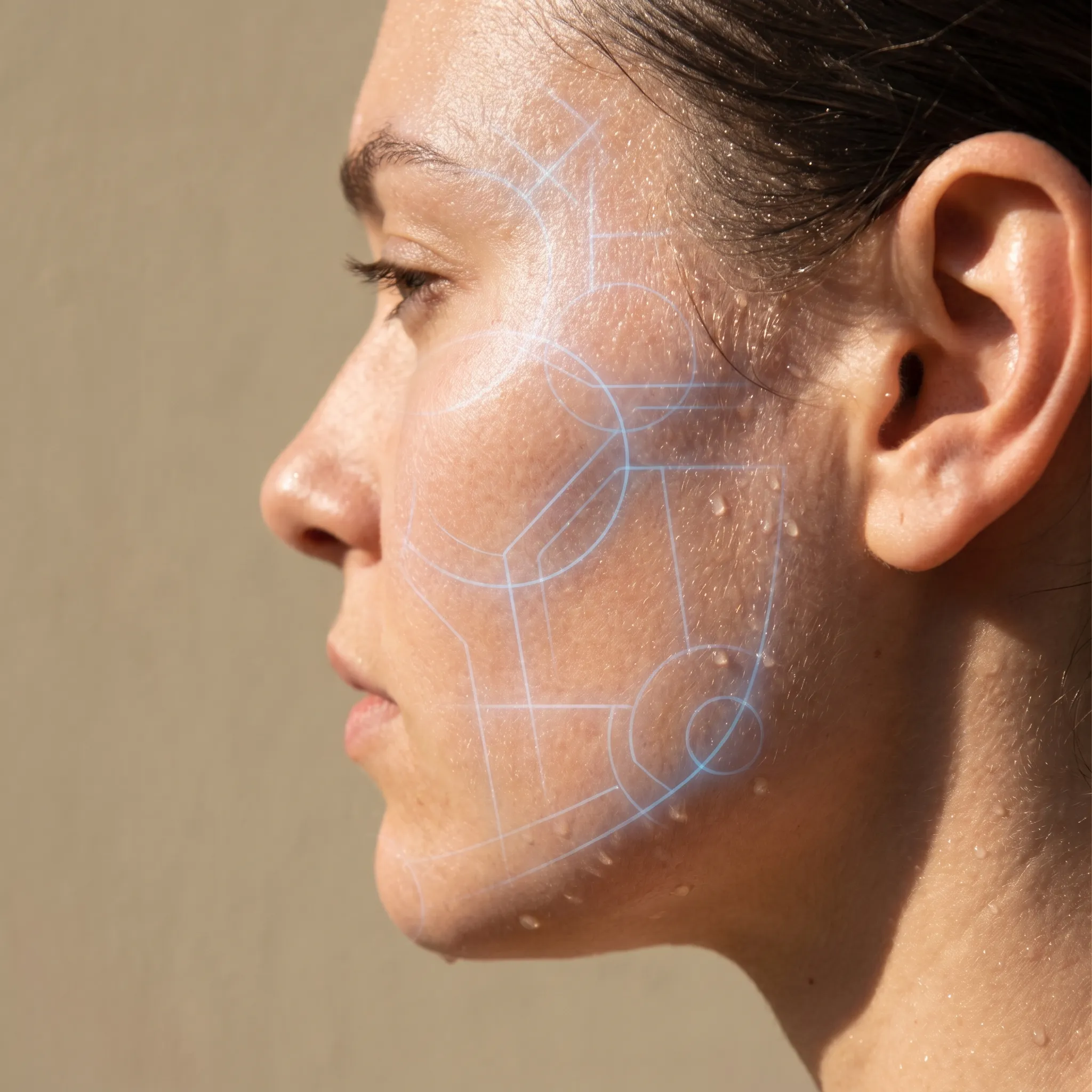
The autonomic nervous system helps regulate functions such as heart rate, temperature control, digestion, breathing, and stress responses. During summer, this system may be pulled in several directions at once: cooling the body, responding to allergens, adapting to activity changes, and maintaining energy.
When the nervous system is under strain, people may notice they are more sensitive than usual. Bright light, heat, noise, crowds, certain foods, fragrances, or environmental triggers may feel harder to tolerate. This does not necessarily mean something is “wrong”; it may mean the body has less available capacity for additional stimulation.
Within an integrative care model, this is where biofeedback and other regulation-focused wellness approaches can be useful. Biofeedback, for example, can help practitioners observe patterns related to stress physiology and self-regulation. For holistic practitioners, this can support a more individualized understanding of how a person’s body responds to seasonal stress.
Holistic Strategies to Support Your Body This Summer
A gentle summer wellness plan should focus on reducing total load rather than forcing the body to push through. This can include simple supports such as hydration, electrolyte balance, cooling strategies, regular sleep timing, reducing known allergens when possible, and building recovery time into busy weeks.
It may also help to notice patterns. Some people feel worse after outdoor exposure, while others flare after poor sleep, heavy meals, alcohol, intense workouts, travel, or long periods in the heat. Tracking these patterns can help identify which stressors are most relevant for each person.
For practitioners, summer sensitivity patterns can be a reminder to look beyond isolated symptoms. Fatigue, allergies, heat intolerance, sleep disruption, and irritability may all be connected through immune load, nervous-system regulation, and recovery capacity.
A Holistic Takeaway
Summer symptoms do not always happen in isolation. Allergies, heat, and fatigue can flare together because the body is constantly adapting to its environment. When immune activation, temperature stress, poor sleep, dehydration, and overstimulation overlap, the body may feel more reactive and less resilient.
A holistic approach begins by asking a different question: not only “What symptom is showing up?” but also “What is the body carrying right now?”
By supporting regulation, recovery, and individualized balance, summer wellness can become less about pushing through discomfort and more about helping the body feel steady, clear, and resilient through the season.
Further Reading & Scientific References
- Buguet, A., et al. “Heatwaves and Human Sleep: Stress Response versus Thermoregulation.” Journal of Thermal Biology, 2023. PubMed
- D’Amato, G., et al. “Meteorological Conditions, Climate Change, New Emerging Factors, and Asthma and Related Allergic Disorders. A Statement of the World Allergy Organization.” World Allergy Organization Journal, 2015.
- Gaoua, N., et al. “Alterations in Cognitive Performance during Passive Hyperthermia Are Task Dependent.” International Journal of Hyperthermia, 2011
Disclaimer:
This information is for educational purposes only and does not constitute professional medical advice. Always consult a healthcare professional before incorporating any new therapy into your practice.
Do you want to see all the updates?
👉 Follow us on Instagram and Facebook and never miss a thing!