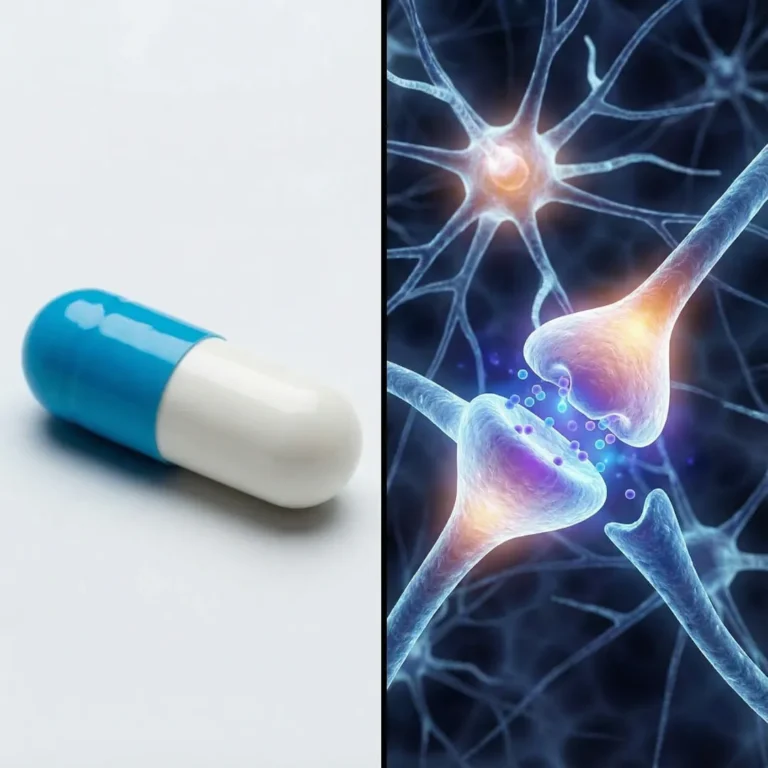
How Beliefs Shape Biology: The Psychology of Expectation and the Placebo Effect
The Brain’s Pharmacy: When Belief Becomes Medicine
Imagine swallowing a sugar pill and watching your chronic pain melt away. Or receiving a saline injection and feeling your Parkinson’s tremors subside. These aren’t miracles, they’re demonstrations of one of neuroscience’s most fascinating phenomena: the placebo effect.
Far from being “all in your head,” placebo responses represent real, measurable biological changes triggered by the power of expectation (the biology of belief).
Recent research has revolutionized our understanding of how beliefs literally reshape our biology. A groundbreaking 2024 study in Nature identified a specific neural circuit, from the rostral anterior cingulate cortex (rACC) to the pontine nucleus, that mediates placebo analgesia in mice, showing that expectation-driven pain relief involves precise brain pathways that can be manipulated to produce analgesia even without conditioning. This discovery confirms that placebo effects aren’t mysterious psychological quirks but rather sophisticated neurobiological processes.
The Mechanisms: How Thoughts Become Chemistry
The Brain’s Own Drug Cabinet
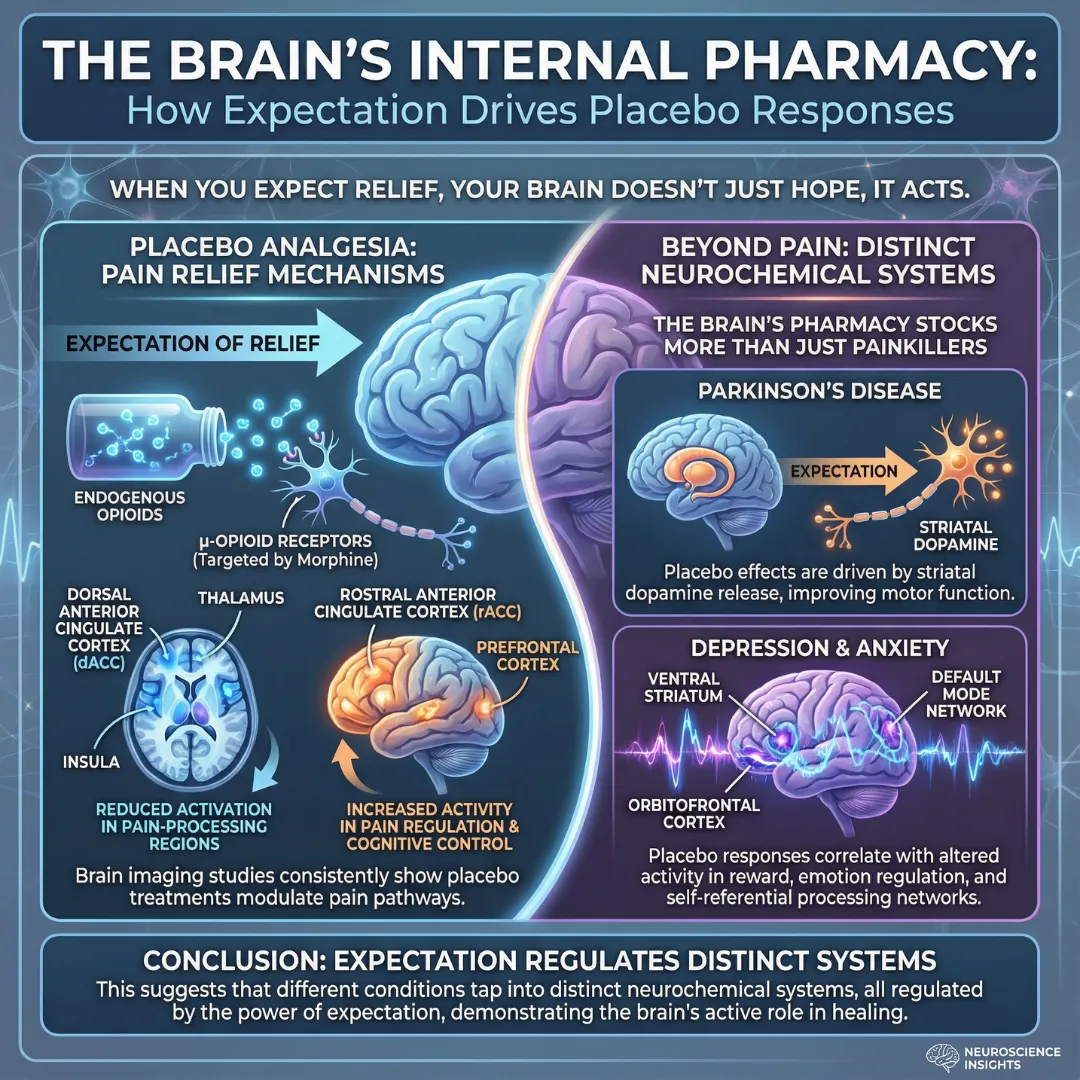
When you expect relief, your brain doesn’t just hope, it acts. Placebo analgesia triggers the release of endogenous opioids, activating the same µ-opioid receptors targeted by morphine. Brain imaging studies consistently show that placebo treatments reduce activation in pain-processing regions like the dorsal anterior cingulate cortex, thalamus, and insula, while increasing activity in the rACC and prefrontal cortex.
But the brain’s pharmacy stocks more than just painkillers. In Parkinson’s disease, placebo effects are driven by striatal dopamine release. For depression and anxiety, placebo responses correlate with altered activity in the ventral striatum, orbitofrontal cortex, and default mode network. This suggests that different conditions tap into distinct neurochemical systems, all regulated by expectation.

The Psychology of Prediction
Placebo effects depend on two core psychological mechanisms: conditioning and conscious expectations. Classical conditioning creates associations between neutral stimuli (like a doctor’s white coat) and therapeutic outcomes, while verbal suggestions directly shape our expectations of future well-being
These mechanisms work through what researchers call “affective appraisal”, flexible cognitive evaluations of how much a situation matters to us personally. When you expect improvement, your brain runs a simulation of feeling better, which can directly impact symptoms and physiology.
The Clinical Reality: Expectation as Treatment
Depression and the Power of Belief
The impact of expectations is particularly striking in mental health. In randomized trials of depression treatments, placebo effects account for substantial portions of therapeutic improvement. Meta-analyses show that the magnitude of placebo effects in depression trials ranges from moderate to large, with psychological mechanisms like learning and expectations driving these responses.
This has profound implications for how we understand treatment efficacy. As one comprehensive review notes, “placebos are not inert; they can initiate neural stimulation that create emotional, physiological, and even organic responses, including clinical efficacy”.
The Dark Side: Nocebo Effects
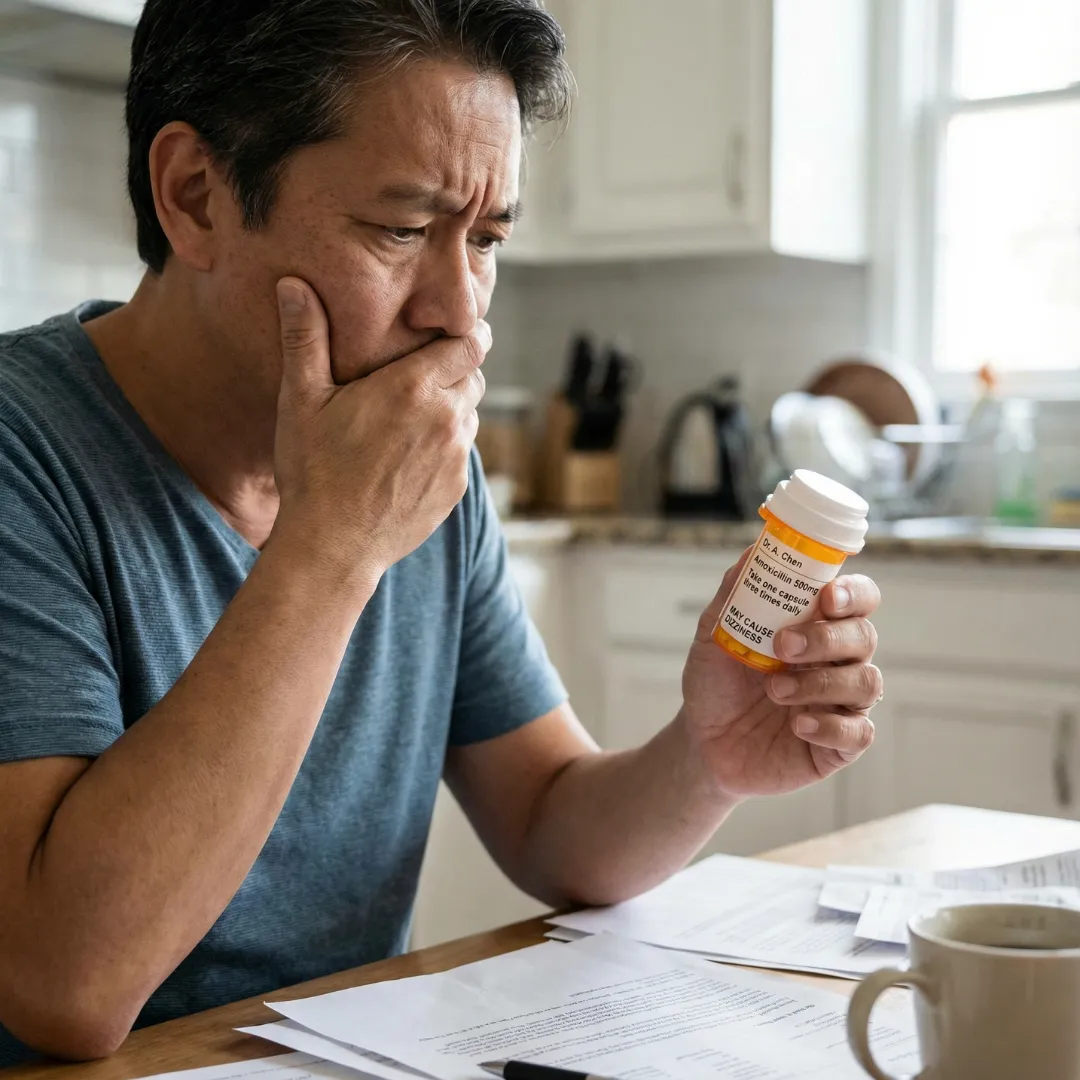
Just as positive expectations can heal, negative expectations can harm. The nocebo effect, where expecting side effects makes them more likely, can be just as powerful as its positive counterpart. Research shows that nocebo effects may actually be stronger and longer-lasting than placebo effects, particularly in pain perception.
This creates an ethical dilemma for healthcare providers: how much information about potential side effects should be shared without triggering negative expectations? The solution may lie in “tailored doctor-patient communication” that balances transparency with careful framing.
The Biology of Belief: Integrating Mechanisms
The Stress Connection
Placebo effects are deeply intertwined with our stress response systems. Expectations can modulate the hypothalamic-pituitary-adrenal axis, sympathetic nervous system, and immune function. This explains why social support and the therapeutic relationship enhance placebo responses; they reduce stress and increase positive expectations.
Individual Differences
Not everyone responds to placebos equally. Genetic variations in dopamine, opioid, and endocannabinoid systems influence placebo responsiveness. Brain imaging studies show that higher baseline activity in rACC and stronger connectivity between prefrontal cortex and periaqueductal gray predict better placebo analgesia.
Practical Implications: Harnessing Expectation Ethically
Understanding placebo mechanisms doesn’t mean deceiving patients. Open-label placebos, where patients know they’re receiving inactive treatment, can still produce significant benefits when combined with positive framing and strong therapeutic relationships. A network meta-analysis found that open-label placebos outperform no-treatment controls in both clinical and non-clinical populations, with positive expectations being crucial for efficacy.
The key is honest communication that activates the brain’s healing mechanisms without false promises. As researchers note, rather than focusing on a ‘personalized’ choice of drugs based on biomarkers or genes, it might be the doctor-patient communication that needs to be tailored.
Conclusion: The Mind-Body Bridge
The placebo effect is no longer a mysterious artifact of clinical trials; it’s a window into how our brains actively construct our physical reality. From specific neural circuits in the cerebellum to molecular changes in neurotransmitter systems, belief shapes biology through predictable, testable mechanisms.
This knowledge empowers both patients and providers. By understanding that expectations influence outcomes through measurable brain pathways, we can ethically harness these effects to enhance treatment, improve patient experiences, and perhaps develop new therapeutic approaches that explicitly target the brain’s own healing capacities.
As research continues to map the psycho-neuro-endocrine-immune networks underlying placebo responses, we’re learning that the most powerful pharmacy might be the one between our ears, stocked with endogenous opioids, dopamine, and countless other molecules whose release we can influence through the stories we tell ourselves and each other about healing.
Further Reading
- A Meta-analysis of Brain Mechanisms of Placebo Analgesia: Consistent Findings and Unanswered Questions
- Cortico-midbrain-spinal mechanisms underlying placebo analgesia
- Neural circuit basis of placebo pain relief
- The neuroscience of placebo effects: connecting context, learning and health
- The Anatomy of Placebo Effects: How Placebos Influence Mind, Brain and Behavior
Disclaimer:
This information is for educational purposes only and does not constitute professional medical advice. Always consult a healthcare professional before incorporating any new therapy into your practice.
Do you want to see all the updates?
👉 Follow us on Instagram and Facebook and never miss a thing!